
Font size
 Worksheets
Genetics, Mutation, Selection Exam
Total questions: 65
Worksheet time: 58mins
Humans have
18 chromosomes in the the nucleus of each cell
23 chromosomes in the nucleus of each cell
46 chromosomes in the nucleus of each cell
46 pairs of chromosomes in the nucleus of each cell
Genes are
a pair of pants you wear made of denim
the fats and carbohydrates that make up your cell
created new for every offspring to be unique
segments of DNA that code for your traits (proteins)
What are chromosomes made of?
DNA
Cells
Fats
Carbohydrates
Human egg or sperm cells have
46 chromosomes
18 chromosomes
23 chromosomes
1 chromosome from each parent
Each species has
the same number of chromosomes in the nucleus of their cells. (All species have the same number of chromosomes.)
a different number of chromosomes in their nucleus depending on the species.
different number of chromosomes in their nucleus depending on the generation they are in.
the same number of chromosomes as humans
DNA is found in
the nucleus
the golgi body
the ribosome
the cell wall
Hereditary material is
carried from parent to child through the blood stream
transferred from the digestive system
carried from the nervous system
transferred in the DNA through the egg and sperm of the parents
What is inheritance?
the passing of traits from one generation to another
the passing of injuries from one generation to another
when you look like a relative
when you get money from a relative
What is a trait?
the dense circular organelle in the cell
characteristics of the organism
the outside of a plant cell
the green organelle in the cell
Why can DNA fit inside the cell?
it's all spread out in a line
it's twisted and coiled around proteins to make chromosomes
it's short
there isn't very much of it


Eye color, hair color, having freckles, etc. are examples of:
DNA
Chromosomes
Genes
Traits
"Offspring" means:
Children
Parents
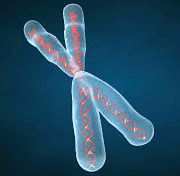
The number of human chromosomes is
23
46
92
64
What does ethical mean?
immoral
A logical person
Someone who prefers to break the rules.
being consistent with agreed principles of moral behavior.
You can inherit personality from your parents.
true
false
You cannot inherit skin color from your mom.
true
false
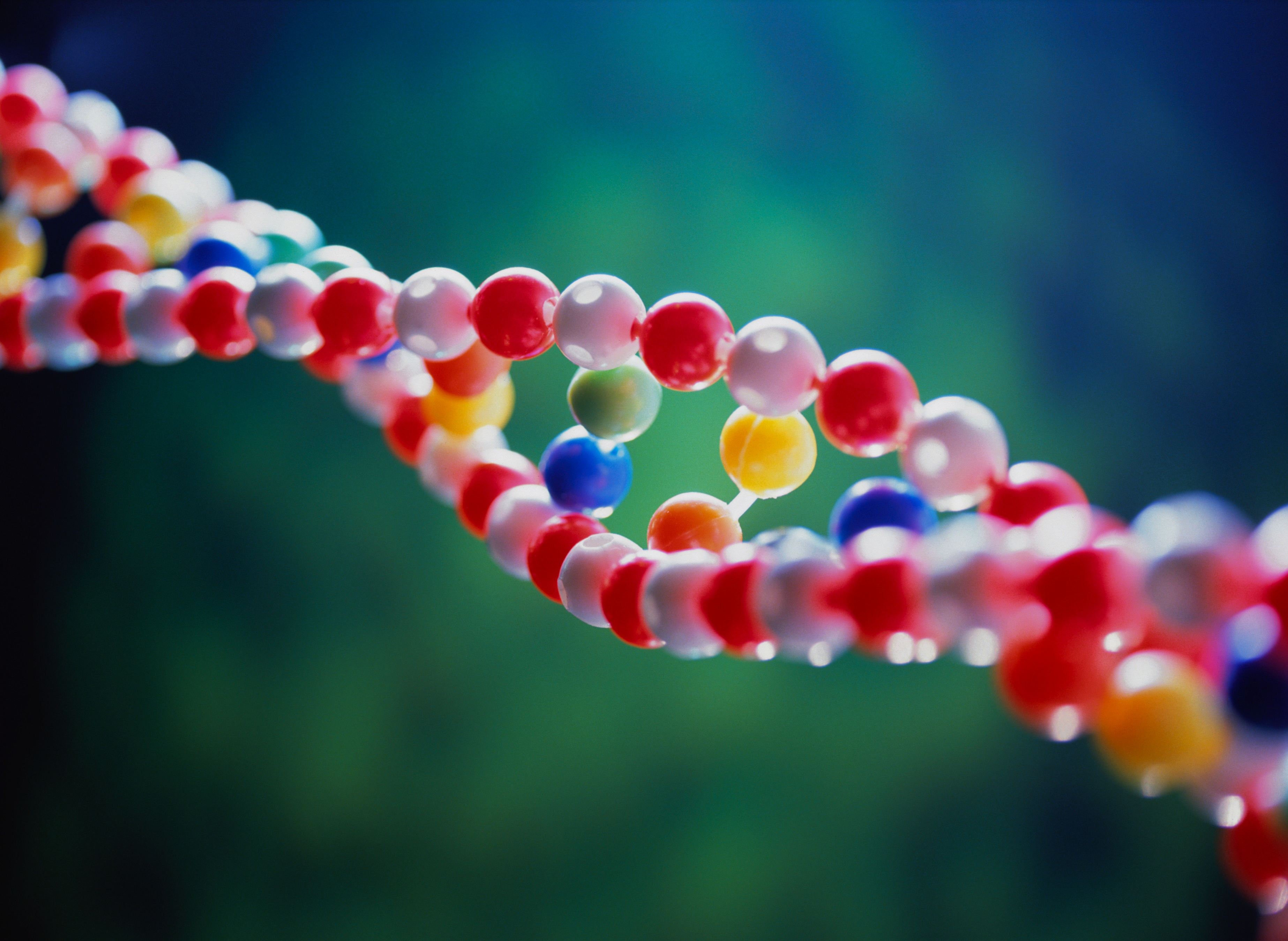

DNA coils up into threadlike structures called______.
traits
chromatin
chromosomes
cells
A mutation is defined as:
A change in the cell's structure
Anything that changes in an embryo
Any change in the physical features of a human
A change in the DNA sequence
Mutations can benefit humans because they can:
Cause illness
Make an organism more suited to live in its environment.
Make organisms live shorter lives
Cause organisms to grow extra limbs.
Mutations are SOMETIMES helpful to the organism.
true
false
Mutations are__________
Harmful
Harmful or beneficial
Neutral
Harmful, neutral, or beneficial

Which of these is an acquired trait instead of inherited?
Blue eyes
Brown hair
Shooting a bow and arrow
Skin color
What is heredity?
The transfer of traits from one generation to another generation
A trait that gets hidden
A trait that hides another
A learned trait
What is an inherited trait?
A feature that gets passed from parent to offspring
A feature that is learned
A feature that is passed from offspring to parent
A feature that does not exist
Where is DNA found specifically?
Inside the nucleus
Inside the golgi body
Inside the cytoplasm
Inside the vacuole

What is this a picture of?
DNA
chromosome
gene
nucleus
Explain how traits are passed from parents to offspring. Use the words Chromosomes, DNA, and genes in your response.
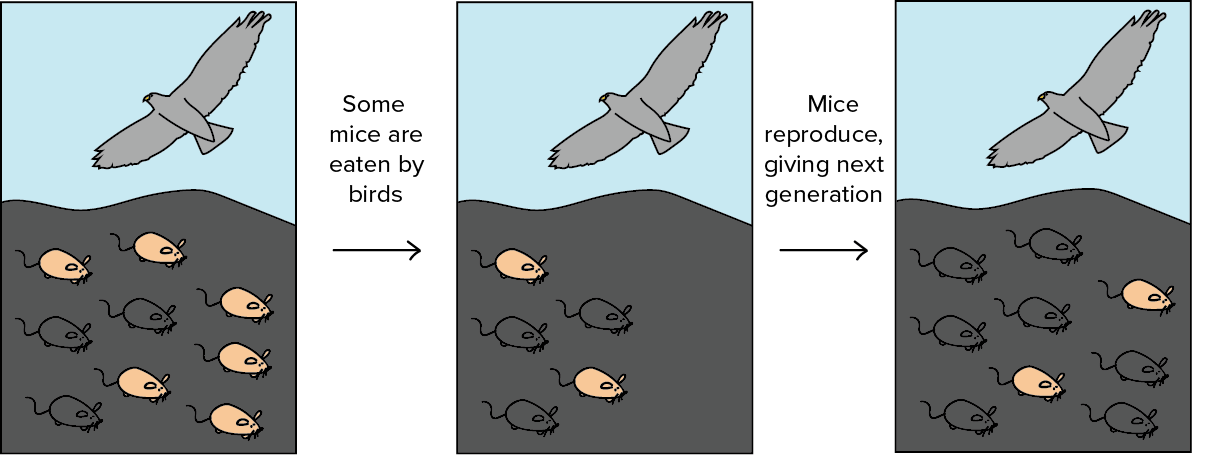
Why is the mouse population changing over time?
The light mice can reproduce more successfully than the dark mice
The hawks eat more dark mice than light mice because the dark mice taste better
The hawks eat more light mice than dark mice because they can see the light mice more easily
The hawks eat more dark mice than light mice because they can see the dark mice more easily

Scientist have created larger and sweeter strawberries for humans to consume (eat). What process was used?
Natural Selection
Artificial Selection

The long and sharp beak of a woodpecker is an example of
natural selection
selective breeding

An environment becomes colder. Some of the rabbits which live there have a mutation that causes their fur to be longer and thicker allowing them to stay warmer. This is an example of a
positive mutation
negative mutation
neutral mutation

A species of frog lives in the rainforest. One of the frogs is born with a mutation which causes it's skin to be completely white. This is an example of a
positive mutation
negative mutation
neutral mutation

Between 6,000 and 10,000 years ago a mutation led to blue eyes in humans. This is an example of a
positive mutation
negative mutation
neutral mutation
When grandma's cookie recipe changed from 350 degrees to 550 degrees, this is an example of a _________ mutation
deletion
substitution
inversion
Mutations are always bad
true
false

This guy has a rare mutation. Is this mutation helpful, harmful, or neutral to the crocodile?
Harmful
Helpful
Neutral

A mutation ____
An alteration of a protein
An alteration of mRNA
Is a change in an organism's genetic information
Causes adverse effects

Normal RBC
A
B
Sickled RBC
A
B
Which of the following things do you think it's OK to use human gene editing for?
To treat people's diseases
To give people better abilities (good eyesight, big muscles)
To give people superhuman abilities (glow in the dark, super intelligence)
To make designer babies
Mutations can benefit humans because they can:
Cause illness
Make an organism more suited to live in its environment.
Make organisms live shorter lives
Cause organisms to grow extra limbs.
A mutation is defined as:
A change in the cell's structure
Anything that changes in an embryo
Any change in the physical features of a human
A change in the DNA sequence
This guy has a rare mutation. Is this mutation helpful, harmful, or neutral to the crocodile?
Harmful
Helpful
Neutral
Which of the following external factors could result in a mutation?
A change in temperature
More precipitation
New predators in the area
Exposure to radiation
Gene Editing has become a controversial topic in the last ten years. Humans have the ability to alter the DNA of an unborn child. In your opinion, propose one acceptable use of gene editing and one unacceptable use. Explain your position thoroughly for each.

