
 Worksheets
Big Science Work: Physical Science
Total questions: 40
Worksheet time: 7hrs 40mins

What is it called when water changes from a liquid to a water vapor?
EVAPORATION
PRECIPITATION
TRANSPIRATION

How many physical changes does solid matter go through before it becomes plasma?
3: Liquid, Gas, Plasma
2: Plasma, Gas
4: Solid, Gas, Liquid, Plasma
600: Spider-Cam, Thor, Hulk, etc.


Which form of matter has a definite shape and takes up space (has definite volume)?
liquid
solid
gas
clay


Plasma can be found in which of the following?
Choose ALL of the answers that make sense.
Auroras
Lightning
LED light bulbs
Stars
Moons

A plasma can be made in a laboratory by
cooling a gas to very low temperatures
cooling a gas and reducing the pressure
heating a gas to extremely hot temperatures
heating a liquid to the point it turns into a gas

In a plasma, the electrons are no longer associated with a particular nucleus.
True
False


Which subatomic particles make an atom?
solid, liquid, gas
electrons, protons, nucleus
energy, protons, nucleus
electrons, protons, neutrons

__________ are negatively charged particles that are in the orbitals around the nucleus.
protons
nucleus
neutrons
electrons

What is the name of the smallest part of any element?
Hint: It is made up of protons, neutrons and electrons.
Atom
AMU
Ion
Isotope

How many atoms of Hydrogen are in H2O?
1
2
3
more than 3


What does the number of proton tell us?
Choose all of the answers that make sense.
the number of electrons
the atomic number
the atomic mass
the number of neutrons

What is the name of the element?
Use the periodic table to help you.
sodium
magnesium
vanadium

How many protons and electrons does nickel have?
28
58.69

How are the elements arranged in the periodic table?
by atomic mass
by atomic number
by valence electrons
by the number of isotopes
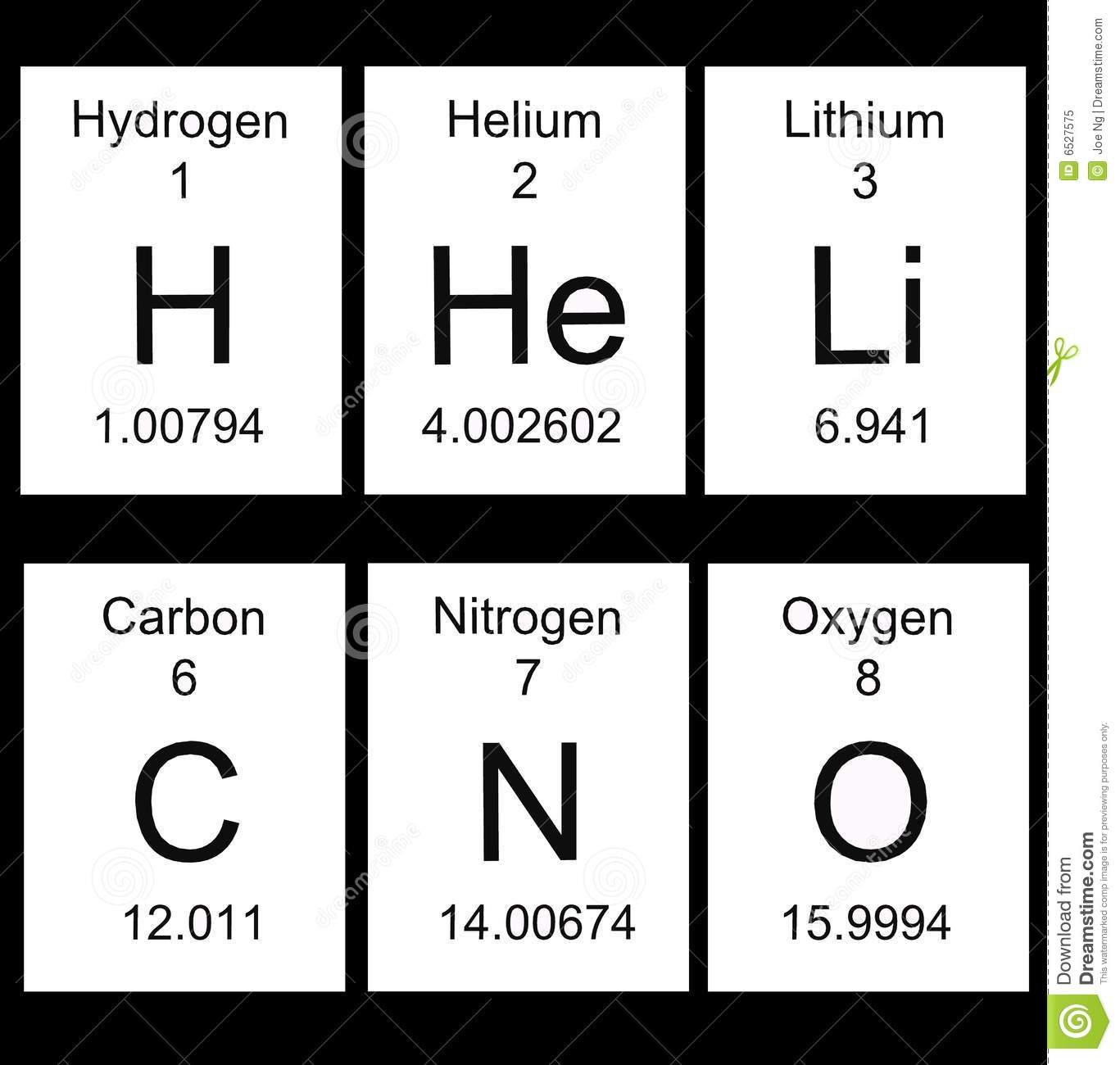
What is the number at the top of each square on the periodic table?

one carbon (C)
two oxygen (O)

Which is the correct formula for glucose?
six carbon
12 hydrogen
six oxygen
C6H12O6
6C12H6O
CHO x 12
Mix carbon, hydrogen, and oxygen together.

What is Fe2O3
(rust) made up of?
Click on the picture to see a periodic table that can help you.
3 oxygen


What happens when two or more atoms are held together by gravity and an electron bond?
A molecule is created.
An element is formed.


When atoms bond, it is called a ___________________ because they make a new substance.
chemical reaction
physical reaction

If an atom has 7 protons and 7 electrons, its electric charge is ---
-7
-14
0
+7

A _______ is the force that holds atoms together in a compound.
Chemical Formula
Chemical Reaction
Chemical Bond
Synthesis Reaction

An atom with a different number of electrons than it should have (more or less) is called an ---
isotope
valence electron
ion
octet

An electron has a ___ charge.
no charge
positive
negative
it depends

If an atom gains an electron, what charge will it have?
positive
negative
neutral

What happens to the valence electrons of an atom that uses an ionic bond?
steals electrons
shares electrons
nothing

