
 Worksheets
Space Unit
Total questions: 30
Worksheet time: 15mins
What causes the moon to appear to change shape?
moon craters
moon marias
moon phases
moon eclipses
What causes day and night on earth?
earth rotating on its axis
earth revolving around the sun
earth's tilt
the moon orbiting earth

Which is true about the diagram above?
In the Northern Hemisphere it is fall, and in the Southern Hemisphere it is spring.
In the Northern Hemisphere it is winter, and in the Southern Hemisphere it is spring.
In the Northern Hemisphere it is spring, and in the Southern Hemisphere it is summer.
In the Northern Hemisphere it is summer, and in the Southern Hemisphere it is winter.

About how long will it take for Earth to move from point Y to point Z?
6 months
1 year
12 hours
24 hours

Which position would allow us on Earth to see a new moon?
1
2
3
4

Which moon phase would someone on earth see?
full moon
first quarter
new moon
last quarter
imaginary line that passes through Earth's center and the north or south poles
lunar cycle
equator
axis
tilt

This imaginary line dividing the earth into northern and southern hemispheres is known as the.....
equator
axis
solsitce
crescent
turn
revolution
rotation
circle
Which answer correctly orders the planets from the sun?
Mercury, Earth, Mars, Jupiter, Venus, Saturn, Uranus, Neptune
Jupiter, Saturn, Uranus, Neptune, Earth, Venus, Mars, Mercury
Mercury, Venus, Earth, Mars, Jupiter, Saturn, Uranus, Neptune
Mercury, Venus, Earth, Mars, Saturn, Jupiter, Uranus, Neptune
Which planet is the only planet known to have life?
Earth
Mars
Venus
Mercury
Which planet has rings made of ice, rock and dust?
Saturn
Mars
Earth
Neptune
How many planets are in our solar system?
6
7
8
9
Why do most stars look so small in the sky?
They are close to us.
They are far away from us.
They are running out of gas.
They are new stars.
What causes the moon to light up?
reflection from the sun
rotation around the earth
revolution around the sun
rotation around the sun

Earth would not have seasons if it —
no longer tilted on its axis
stopped rotating on its axis
took an additional month to orbit the sun
revolved around the sun in the opposite direction

Which season in the northern hemisphere experiencing at point X?
Summer
Spring
Winter
Fall
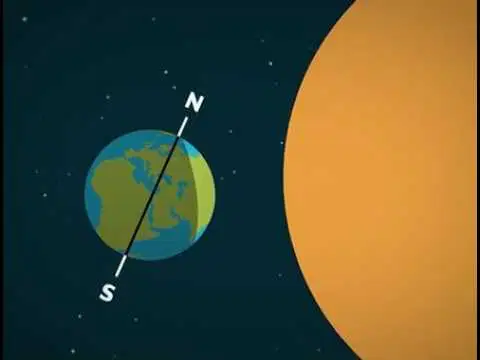
If the Northern Hemisphere is tilted towards the Sun, what season would it most likely be?
summer
winter
What is is called when the moon phases are “growing”?
waxing
waning
What is is called when the moon phases are “shrinking”?
waxing
waning
What are patterns in the night sky called?
planets
galaxies
constellations
Stars are still in the sky during the day, we just can't see them because of the sun's light.
True
False
We see different stars in the sky depending on the season.
True
False

Polaris is another name for this navigational star....
East Star
West Star
North Star
South Star

Ursa Major, Ursa Minor, Orion
Ursa Major, Big Dipper, Orion
Ursa big, Ursa small, Orion
Polaris, Ursa Minor, Orion

What is this tool?
Astrolabe
Compass
Telescope
Sextant
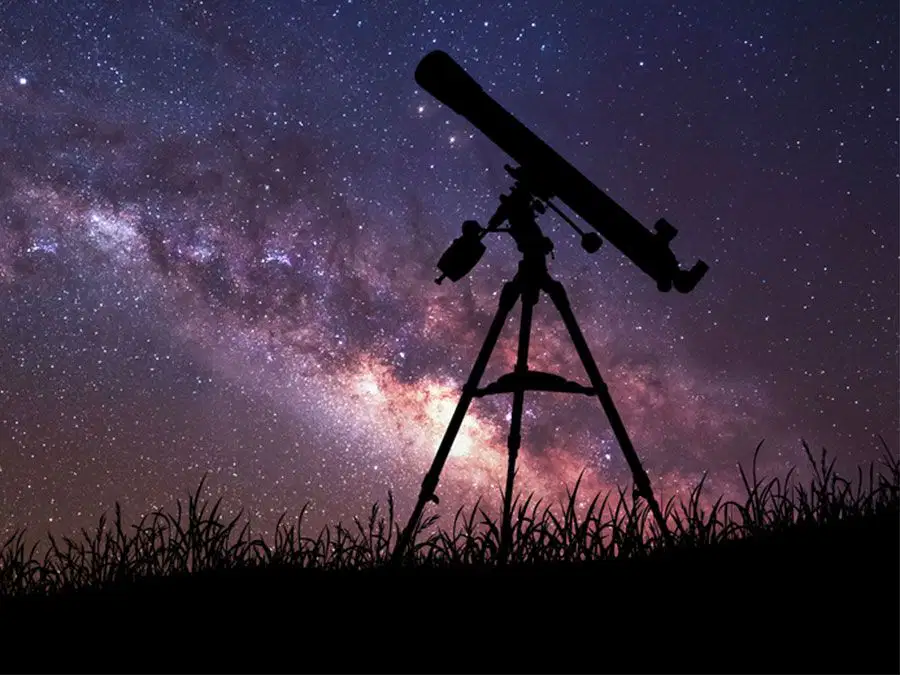
This tool gathers more light than the eye can see. It makes faraway images appear brighter and closer.
Compass
Sextant
Telescope
Astrolabe

