wayground logo

Free Printable Worksheets

NEW

Font size

S
M
L
XL
Worksheets

Homeostasis and feedback - 9ADV

Total questions: 13

Worksheet time: 8mins

Name
Class
Date
1.
The two types of feedback systems that help organisms maintain homeostasis are:
a)
positive and negative 
b)
receptor and effector
c)
static and dynamic
d)
minor and major
2.
Maintaining body temperature is an example of a:
a)
negative feedback loop
b)
positive feedback loop
3.

When glucose levels in the blood rise, your brain sends a signal to your pancreas. The pancreas releases insulin, which allows glucose to enter the cell, lowering blood sugar levels. This is an example of a:

a)

Positive Feedback mechanism

b)

Negative Feedback mechanism

4.

An example of a negative feedback mechanism is ...

a)

Blood glucose regulation

b)

Blood pressure regulation

c)

Thermoregulation

d)

All of the above

5.

An example of a positive feedback mechanism is ____________.

a)

Childbirth

b)

Blood Pressure regulation

c)

Body Temperature regulation

d)

All of the above

6.
Homeostasis
a)
allows for a wildly fluctuating internal environment
b)
is impossible in vertebrates
c)
is the maintenance of a relatively stable internal environment and often incorporates a form of feedback regulation
d)
is the maintenance of a relatively stable external environment and often incorporates a form of feedback regulation
7.
If the environment gets cold, we will often shiver in order to:
a)
keep body temperature the same as the external temperature
b)
decrease body temperature
c)
increase body temperature
d)
regulate blood pressure
8.

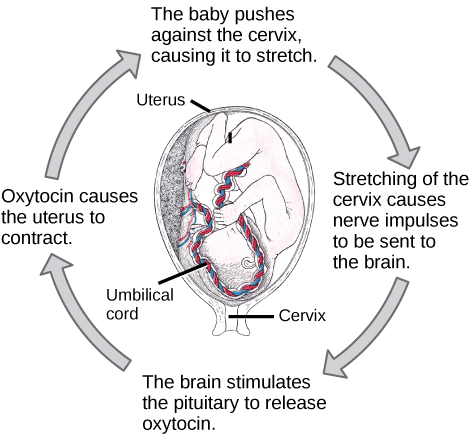
What type of feedback mechanism is shown?

a)

negative

b)

neutral 

c)

positive

9.

If the calcium in your blood decreases below homeostasis levels, a gland in the brain will sense the decrease and send a chemical message to your bones. Your bones will release calcium into the blood, bringing blood calcium levels back up. This is an example of what type of feedback?

a)

Positive Feedback Response

b)

Negative Feedback Loop

10.
This organ produces the hormones that help regulate blood glucose levels.
a)
pancreas
b)
liver
c)
small intestine
d)
gall bladder 
11.
What hormone is produced in the pancreas that raises blood sugar?
a)
Insulin
b)
Glucagon
c)
Ketones
d)
Glucose
12.

The temperature regulation center in the brain of a human

a)

hypothalamus

b)

thermoregulation

c)

receptor

d)

negative feedback

13.

_____________ is released by your pancreas when blood glucose levels get too high.

a)

glucose

b)

glucagon

c)

oxygen

d)

insulin