
 Worksheets
4.02 Professional Communications
Total questions: 20
Worksheet time: 11mins
Which of the following is NOT included in the listening process?
Hearing
Speaking
Focusing
Understanding

Which of the following is NOT a part of verbal communication?
Sound
Words
Speaking
Body language
Which of the following can be defined as generally accepted behavior required in social relations?
Actions
Etiquette
Traditions
Body language

Which of the following is NOT an example of written communications?
Tweets
A conversation between co-workers
Blogs
Emails

What is the greeting in an email called?
formal greeting
salutation
salute
address
Which of the following is an appropriate salutation in a professional email?
Dear Ms. Reynolds,
Hello Ms. Reynolds,
Hi Ms. Reynolds,
What's up Ms. R,

Professional or Unprofessional?
Beginning an email with "Hey"
Professional
Unprofessional
Professional or Unprofessional?
Writing an email to a same-aged colleague or peer using their first name
Professional
Unprofessional

Professional or Unprofessional?
Referring to a boss or teacher by their first name in email
Professional
Unprofessional
Correspondence is a fancy word for
letter writing
banking
writing music
instructions
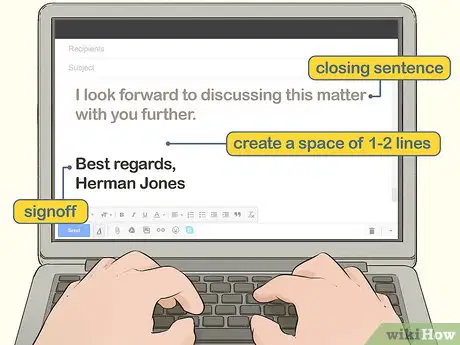
Which of the following is an appropriate way to end an email?
Cool dude!
Sincerely,
Best Wishes,
Thank you,

To write effectively in school and the workplace, you should
know your audience, focus on content and style, proofread thoroughly and revise accordingly.
know jokes, focus on yourself, and style, proofread
know information, focus on style, proofread thoroughly and revise accordingly.
know your audience, focus on content of proofreading
TRUE OR FALSE: The purpose of public speaking is to inform, entertain, educate, motivate, or persuade an audience.
True
False

What two things can a speaker do to use their body in their speech?
pace
stance
volume
gestures
The best way to help nervousness when giving a speech is to
get over it
practice and prepare
forget about the audience

What is a reason people fear public speaking?
Sounding foolish or not making sense.
Mind going blank.
Trembling and shaking.
Doing or saying something embarassing.
All of the above.
Your voice, stance, and gesture can help to make your speech _________.
longer
more interesting
make more sense

The stand-alone topics the speaker wants the audience to walk away with or remember is/are known as
main points
message
body
connection
The use of someone else’s ideas without giving them credit is called
copying
stealing
plagiarism
cheating
True or false: Public speaking is a skill you can improve and work on.
True.
False.

