
NEW
Font size
 Worksheets
Cultural heritage
Total questions: 24
Worksheet time: 20mins

Greece. This fortified cylindrical structure (33.9m height and 22.7m diameter) was built in the 15th century during the reign of Süleyman the Magnificent and was later used during the Ottoman rule as a place of execution, which was called Canli Casteli meaning “tower of blood”.
a. The Castle
a. The White Tower
a. The White Church

Greece. Aristotelous square, the most significant and popular square in town, is overlooking the Thermaic Gulf, from where you can even see Mt. Olympus when the weather is clear. Enjoy the view of stately buildings, which were built following the large fire of 1917, by Ernest Hébrard (commissioned by El. Venizelos the Greek Prime Minister) along with other Greek and foreign architects.Aristotelous ‘stately buildings were built following the large fire of 1917, by.....................
a. Ernest Hébrard
a. Ernest Hemingway
a. El. Venizelos

Greece. It is a circular structure, which impresses with its powerful architectural style and the exquisite sacred art which adorns its interior.
a. Agios Demetrius
b. Agia Sophia
c. Rotunda

Greece. This great church is dedicated to Agios Demetrius. The paintings and carved marble ornamentation of the church show exquisite artistry. Today’s temple was built in the 7th century AD under the supervision of Bishop Ioannis on the ruins of an older church. Agios Demetrius is the patron saint of Thessaloniki, and the relationship of the people of Thessaloniki with the saint is a strong one. His relics , which had been kept in the Abbey of San Lorenzo in Campo, Italy, were brought back to Thessaloniki in 1978.
a. Rotunda
b. Agia Sophia
c. Agios Demetrius

Greece. It is an impressive work of art by the famous sculptor Giorgios Zoggolopoulos and is one of the attractions in Thessaloniki that catches the attention of every visitor. It is 13 meters tall and gives the impression that they reach the sky.
Tower
Umbrellas
Church

Lithuania. The Hill of Crosses is a place of Catholic pilgrimage in Šiauliai, Lithuania. Here you can see a variety of crosses, from the simplest wooden ones to large metal ones with ornaments. It is estimated that there are about 200 000 crosses! Since 1993, when Paul II visited it, the Hill of Crosses has become the symbol of Lithuanian cross-crafting.•Which city is the Hill of Crosses in?
•Kaunas
• Šiauliai
•Mažeikiai

Lithuania. The Lithuanian Song Festival (also called The Song Celebration) is a massive traditional song and dance festival. The Lithuanian Song Festival reverted to its traditional identity and gained the status of a national tradition. The festival is considered to be the unique manifestation of the national culture and the symbol of unity and strength.•What does the Lithuanian Song Festival symbolize?
•Unity and strength
•Beautiful voice and singing
•Gathering of people

Lithuania. The Old Town of Vilnius is one of the largest remained medieval old towns in both Northern and Central Europe. It is a place where some of Europe's greatest architectural styles stand side by side and complement each other. In 1994 the Vilnius Old Town was included as a UNESCO World Heritage Site in recognition of its universal value and originality.• Which object is included in UNESCO because of its universal value and originality?
•Trakai Island Castle
•Vilnius Old Town
•Hill of Crosses

Lithuania. Trakai Island Castle is an island castle located in Trakai, Lithuania, on an island in Lake Galvė. The construction of the stone castle was begun in the 14th century by Kęstutis, and around 1409 major works were completed by his son Vytautas the Great. Now the castle has been rebuilt and is one of the most popular tourist attractions in Lithuania. •When was Trakai Island Castle built?
•1409
•1603
•1395

Lithuania. Lithuanian women wear beautiful outfits. The main parts are: the head wear, the blouse, the vest, the skirt and the apron. The skirts and vests are really colourful. Most common colours are: yellow, green, red, blue, purple or black. The head wear is most commonly the headband, the headscarf or the flower crown.
Lithuanian men wear more casual clothing. The main parts are: the top hat, the blouse, the vest, the coat, pants and boots. Sometimes there's a band around the waist or around the boots. The bands are colourful and they stand out. • What colours were the most common on the female skirts?
•Pink blue brown purple
Red green blue orange
•Red green yellow purple

Spain. Avila’s walls are from Romanic origin, they surround the whole city and had a military defence function, in 1985 they were declared World heritage , they are a universal symbol and the most outstanding landmark of this beautiful city.It is the best preserved medieval wall in Spain and probably in Europe.
The city of Ávila is known for its famous…
museums
walls
churches

Spain. Don Quixote is the most popular novel written by Miguel de Cervantes in the 17th century. It is placed in La Mancha, a region in the central area of Spain. It tells the adventures of a man who reads lots of knights’novels and his imagination makes him feel as one of them and all his realatives and friends appear as adventure novels characters, the most famous Dulcinea (his beloved neighbour) and Sancho ( his closest friend who travels with him everywhere riding on a donkey)
In Alcalá de Henares Miguel de Cervantes was born. Could you tell us which is his famous masterpiece placed in La Mancha ?
Don Quixote
La Celestina
El Cid

Spain. Cáceres is the city where you find these birds and their huge nests. Many birds in spring have their nests on the bells of a church or a cathedral but this city is well-known for the big birds whose beaks are really long and life in giant nests with their offspring all over Cáceres.
Seagulls
Doves
Herons

Spain. A famous poet, Antonio Machado, was a French language teacher at this city.
Antonio Machado was born in Seville but lived and worked as a teacher in a city located in Jaén. Jaén has 2 cities that are world heritage, they are Úbeda and Baeza.The second one is very popular as it has lots of olive trees and produces huge quantities of olive oil every year, here we can also visit the room where Machado taught the French language.
Úbeda
Baeza
Alicante

Spain. It is a city where you can watch classical plays in summer in its Roman theatre.
Every summer many people visit this Roman theatre as it helds one of the most important international theatre festivals. It is located in the west of Spain and is close to Portugal.
It was inhabited by Romans for a long period of time, so we can visit many ruins and famous landmarks built by Romans.I ts name in Latin is Emerita Augusta.
Barcelona
Majorca
Mérida
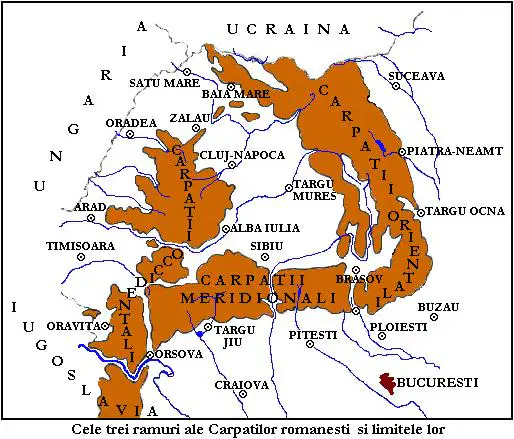
Romania. Which mountains run through the center of Romania?
Central Eastern Alps
Himalayas
Carpathian
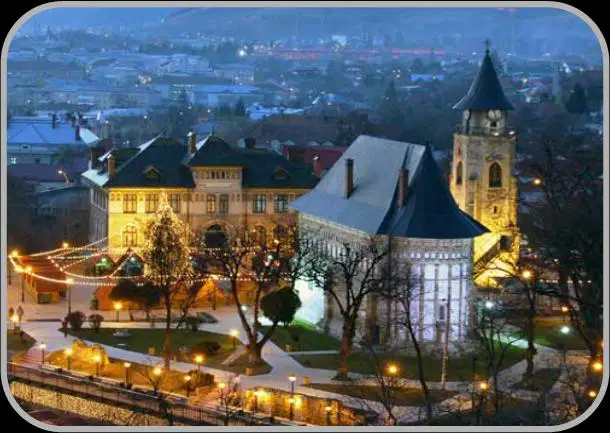
Romania. Which is the capital city of Neamt county, which for its architectural and natural beauty, earned it the nickname "Moldavian Pearl?
Piatra - Neamţ
Iaşi
Roman
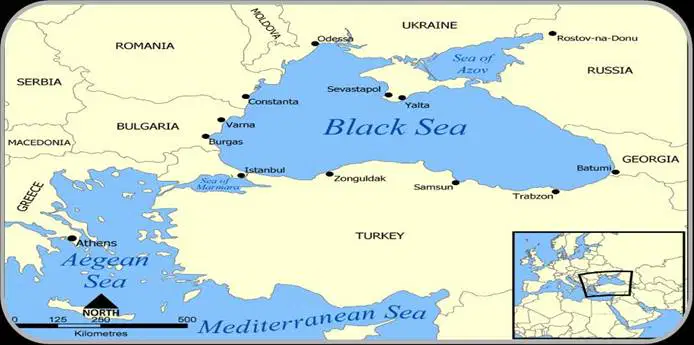
Romania. What sea borders the countries Turkey, Bulgaria and Romania?
Mediterranian Sea
Black Sea
Aegean Sea
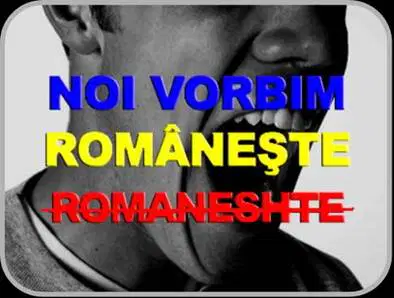
Romania. What is the primary language spoken in Romania? What is the city capital of Romania?
Romanian, Bucharest
Italian, Rome
Latin, Paris

Romania. In what year did Romania become part of the EU?
2005
2006
2007
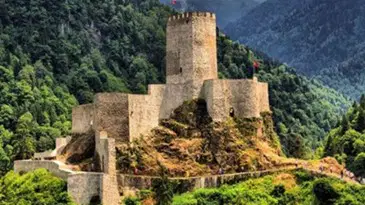
Turkey. What is the name of the castle below?
Rize castle
Zilkale
Ayder castle
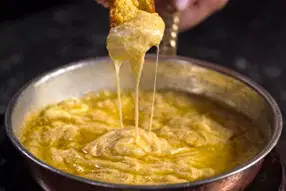
Turkey. what is the name of this food?
Sarma
Hamsikoli
Muhlama
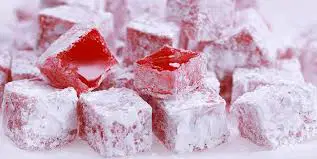
Turkey. What is the name of the Turkish delight?
Lokum
Gel
Sugar
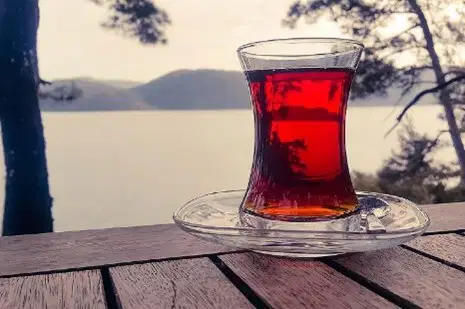
Turkey. What is the Turkish word for “Tea”?
Çay
Chai
Kahve

