
 Worksheets
Unit 2 Test Review (2026)
Total questions: 37
Worksheet time: 26mins
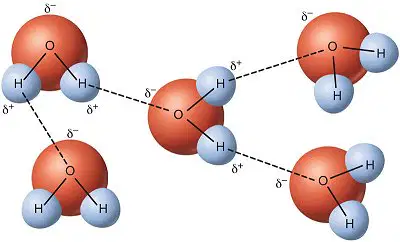
Hydrogen Bonding occurs when the negative _______ of one H2O molecule attracts the positive ______ of another H2O molecule.
oxygen, hydrogen
hydrogen, oxygen
hydrogen, hydrogen
oxygen, oxygen
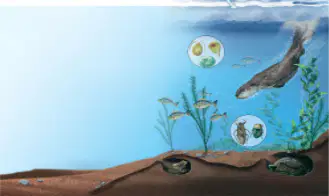
Ice is less dense than liquid water, why would this be important for organisms that live in ponds? (Choose all that apply)
It keeps the water from freezing solid so the organisms can live in the pond during cold seasons
The water freezes from the bottom up & organisms can live over the ice
The ice keeps the water beneath it warmer then the outside air
The ice is not less dense than liquid water
Why is it important for our human bodies to have water with high specific heat capacity?
It keeps humans from becoming dehydrated
It helps keep body temperatures in the normal range to maintain homeostasis
It helps to keep joints lubricated
It helps to maintain the correct density of cells for metabolism
Which of these is a correctly drawn water molecule?


Match the following correct facts about WATER!
Universal Solvent
Water
These do NOT dissolve in water!
Oil, fats, waxes
The correct way to write water
H2O
Surface tension occurs because of:
Cohesion

Water is considered a "Universal Solvent" because it can dissolve many substances. The property that allows water to dissolve many substances is its -
High specific heat
Polarity
Density
Surface tension

Which correctly describes the monomers that are linked to create polymers?
monosaccharides are linked to make DNA
carbohydrates are linked to make proteins
nucleotides are linked to make DNA
fatty acids are linked to make proteins
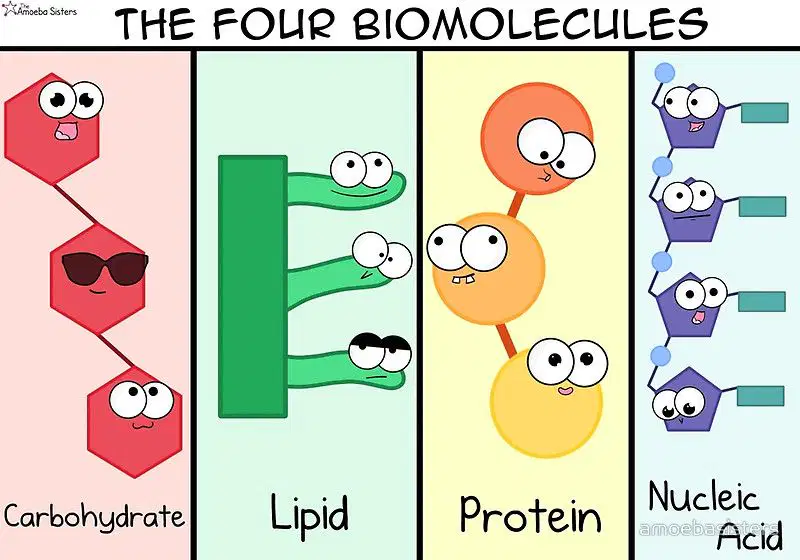
Which biomolecule does not have a carbon-nitrogen bond?
protein
peptide
nucleic acid
carbohydrate
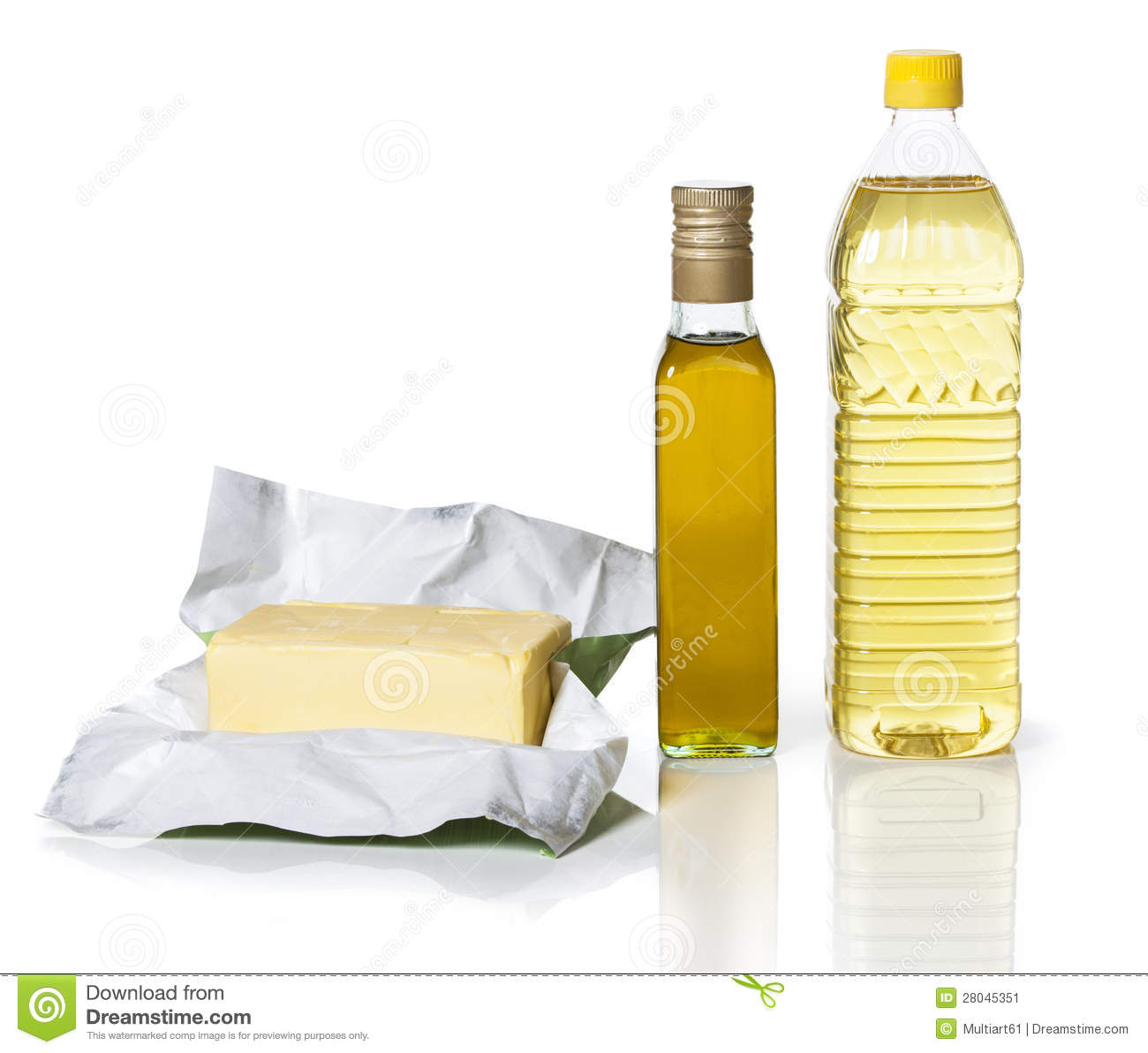
You need a steady supply of amino acids in your diet to maintain a healthy body. In order to meet this need, you should make sure you eat enough of which of these substances?
Carboyhdrates
Proteins
Nucleic Acids
Lipids
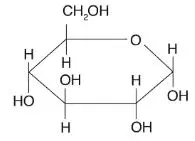
monomer of carbohydrate
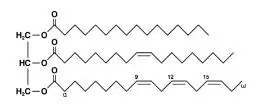
monomer of lipids
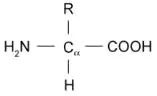
monomer of proteins

monomer of nucleic acids

What type of molecule could be broken down to make sucrose, fructose, or glucose?
fatty acids
carbohydrates
proteins
amino acids

monosaccharides are linked to form
carbohydrates
fatty acids are linked to form
lipids
amino acids are linked to form
proteins
nucleotides are linked to form
nucleic acids

Humans are able to eat and use potatoes, which are high in starch, as an energy source. Humans cannot use grass, which is 35% - 45% cellulose, as an energy source. Why can't humans eat grass for their energy?
Because grass is toxic to humans and would cause their enzymes to denature.
Humans make an enzyme to digest potatoes but do not make an enzyme to digest grass.
Because human teeth are not the right kind to chew grass.
Humans cannot digest any plant matter because of the lack of cellulose-digesting enzymes

Enzymes supply the oxygen necessary for the reactions
Enzymes change reactants from solid to liquids during the reactions.
The reactions take up too much space in the cell if the enzymes are missing.
The reactions are too slow (because body temperatures are too low) to meet the needs of the cell if enzymes are missing.
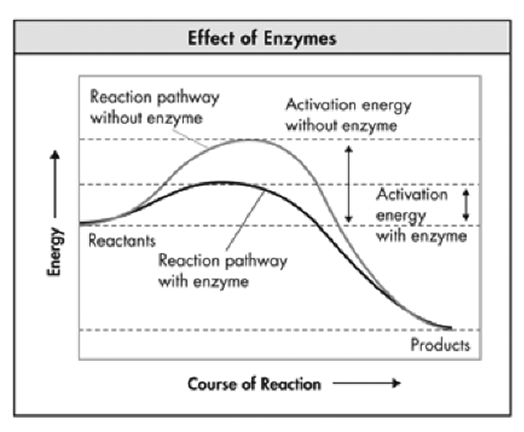

Why has this enzyme activity decreased so much?
The enzyme has become saturated
The temperature is too low
The enzyme has become denatured

asubstrate (s)
enzyme(s)
product(s)
inhibitor(s)
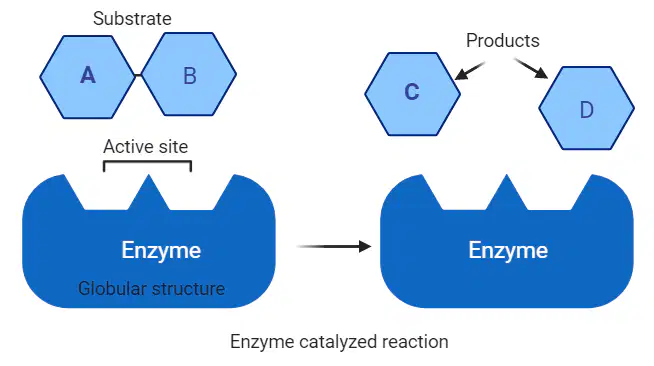
How does an enzymes shape relate to its function?
the shape of the enzyme has no relation to its function
the enzyme is shaped specially for certain substrates to perform a specific reaction
the enzyme shape acts as a receptor to certain products
the enzyme shape can fit into specific substrates to cease a reaction
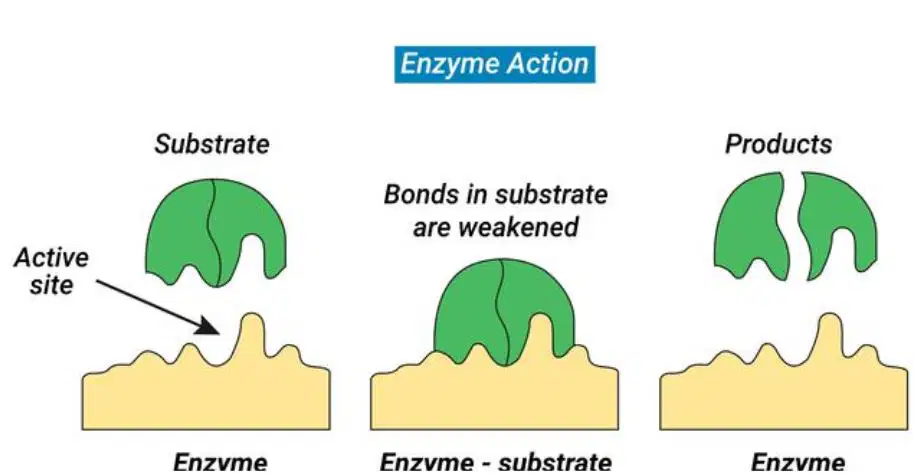
After the substrate binds to the active site and the products are made, the enzyme remains unchanged and can bind with another substrate.
True
False
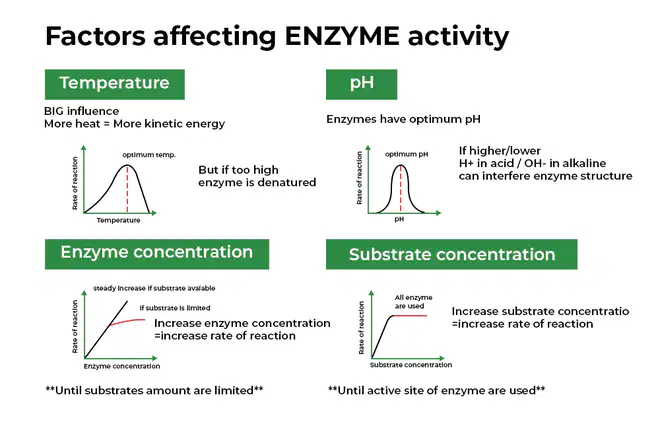
Which of these factors can affect enzyme activity? (choose all that apply)
Temperature
pH
enzyme concentration
substrate concentration

What causes proteins to have various, specific, structures?
The sequence of amino acids
The sequence of fatty acids
The bonds between the monosaccharides
The different nucleotide charges

photosynthesis
cellular respiration

Amino acids and other complex carbon-based molecules are composed largely of carbon, hydrogen, and oxygen atoms.
True
False

CHO
1:2:1

CH(O)

CHON(S)

CHONP

Enzyme-Substrate complex
Why does it take longer for your body to break down complex carbohydrates than simple carbohydrates?
simple carbohydrates can be broken down quickly and absorbed by the body
complex carbohydrates are made up of longer chains of molecules and broken down more slowly
complex carbohydrates are often rich in cellulose which is not broken down by our digestive system
it doesn't take long to break down complex carbohydrates, just sayin

For enzymes to work properly, they must specifically fit a specific substrate at the active site. What factors change the shape of an enzyme making it not work?
excessive heat
change in pH
amount of enzymes
amount of substrates

The polypeptide (protein) being formed in the picture is made of what subunits/monomers?
monosaccharides
nucleotides
amino acids
triglycerides

The enzyme would become products: O2 and H20
The enzyme would be fully used up and discarded.
The enzyme would remain unchanged in any way.
The enzyme would become a new type of enzyme.

Which enzyme functions best in acidic environments?
neither enzyme
Enzyme A
Enzyme B
Both enzymes

Fats are specialized lipid molecules, and enzymes are specialized protein molecules. How do the functions of fats and enzymes differ?
Fats are structural in building materials, while enzymes are transportation molecules.
Fats regulate the body functions, while enzymes denature invasive bacteria.
Fats provide support for cells, while enzymes lower the pH of gastric fluids.
Fats are storage molecules, while enzymes catalyze reactions.

The Venn diagram below compares the functions of lipids and carbohydrates. If a student wanted to differentiate between lipids and carbohydrates, which of the following lists would correctly distinguish the function of each biomolecule?
Lipids: provides insulation
Carbohydrates: structural component of cell walls.
Lipids: release of toxin.
Carbohydrates: component of cellular membrane
Lipids: stores genetic information
Carbohydrates: transports of molecules
Lipids: bind organs together
Carbohydrates: rebuild and repair tissues

Collagen is found in the human body specifically in our connective tissue. Collagen's primary role is to provide support, strength and structure throughout the body. Based on this description, collagen can be classified as which biomolecule?
carbohydrate
lipid
nucleic acid
protein

Enzymes are essential to the reactions that occur during the process of digestion, and these can be found throughout the digestive tract. The graphs indicate the enzyme activity for enzymes located in the stomach and the mouth.
Which of the following observations can be concluded about the enzymes.
Enzymes will adapt to their environmental conditions and work best at any pH.
Enzymes will denature above a pH of 10 because alkaline conditions destroy enzyme.
All enzymes function best at a pH of 7, which is a neutral condition.
Each enzyme functions best at specific conditions such as pH.

All living cells contain genetic material that codes for specific traits in an organism. Which of the following biomolecules carry the genetic code in the cells?
nucleic acids
proteins
lipids
carbohydrates

