
 Worksheets
George Washington Carver
Total questions: 15
Worksheet time: 11mins

After the Civil War, and especially in the South, African Americans
Were enslaved
Were not allowed to read
Had fewer opportunities than whites
Were discouraged from farming

Someone who studies plants is called a(n):
Geneticist
Botanist
Agriculturist
Agronomist
George Washington Carver could best be described as:
irrational
dedicated
passive
impulsive

At a young age, the local farmers called George "the plant doctor" because
he knew how to make sick plants and crops become healthy again.
he liked to wear a white coat and pretend he was a doctor when he worked in his garden.
he knew which plants could be used to treat human sickness.
he made many medicines out of plants in his laboratory.
Why did George leave the Carvers and move to Neosho, Kansas?
He wanted to look for his mother.
He wanted to keep learning and go to a real school.
He was tired of helping Mrs. Carver with her household chores.
He wanted to open a library.
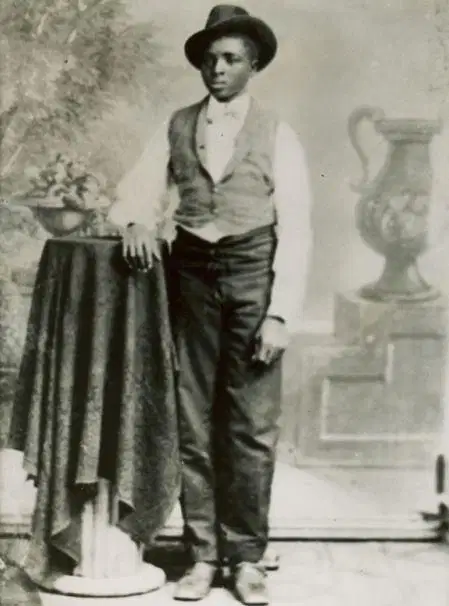
Why did Carver have a tough time finding a college?
His grades were not good enough.
Very few school accepted African Americans at the time.

What personality traits (character traits) helped George Washington Carver become a successful college graduate and teacher?
He felt his skills and educational background were limited & he didn't finish college.
He was hardworking, persistent, optimistic, helpful, and never gave up on his dreams.
He gave up easily, was easily frustrated, stubborn, hard to work with, and not friendly.
He was strong, quick, not very intelligent, but a smooth talker, so he was able to talk his way into people giving him a chance.

What is Carver's most important contribution to agriculture?
teaching farmers about soil chemistry and crop rotation
popularizing the peanut, sweet potato, and soybean plants
becoming the "Plant Doctor"
Collaborating with Gandhi
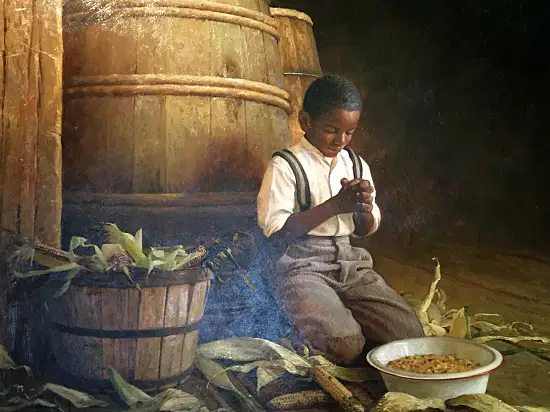
How did Susan Carver teaching George to read and write most likely change George's life?
It made George hate the idea of school.
It made George want to learn about peanuts and sweet potatoes.
It made George want to be a librarian and writer.
It started George on the path towards an education, which is what then drove him to be the first African American to earn a college degree and also change the agricultural world and improve others lives!

How did George Washington Carver help poor Black Southern farmers?
He taught farmers how to protect and care for their soil properly.
He grew rich from his inventions and quit teaching.

Which of the following statements would George Washington Carver have agreed with?
A successful person is someone who becomes famous and everyone knows.
A successful person is someone who drives an expensive car and has an expensive home.
A successful person is someone who helps to improve the lives of others and their community.
A successful person is someone who makes a lot of money.

Which word best fills in the blank?
Carver was particularly concerned with the______________of poor black farmers.
struggles
rudeness
shyness
ambition
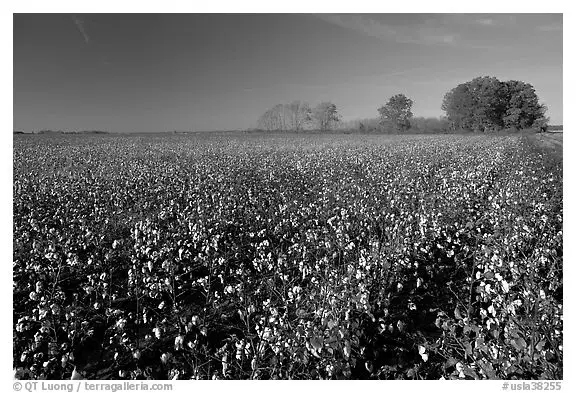
What did many farmers in the South grow?
potatoes
cotton
peanuts
soybeans
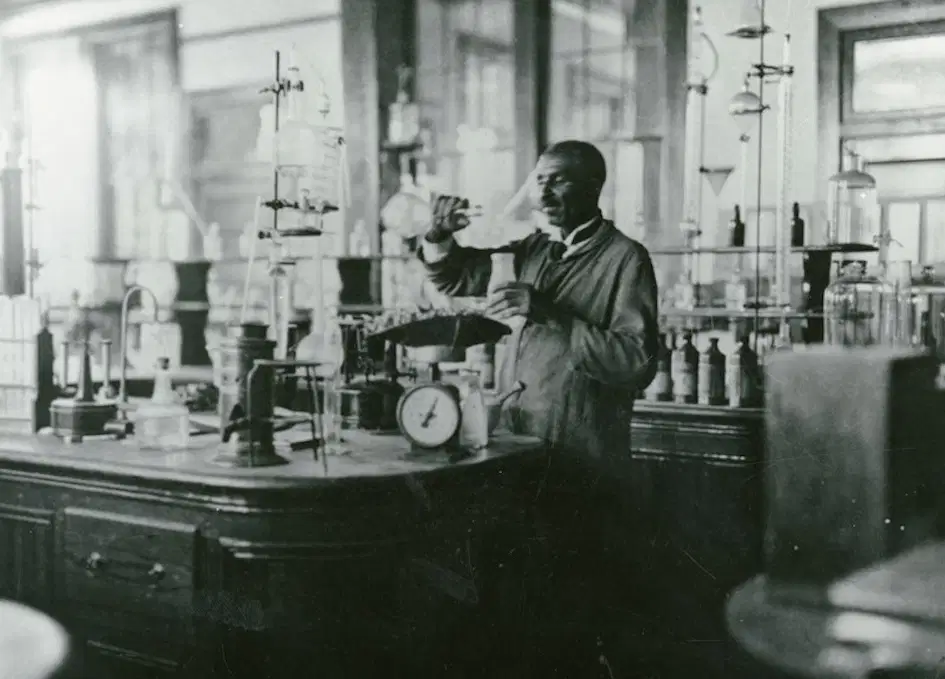
Based on Carver's findings about nitrogen, which statement can you infer is correct?
The nitrogen cycle is key to growing soybeans, but not cotton.
Once nitrogen has been taken away or depleted from the soil, it is impossible to restore or get it back.
Nitrogen is essential (necessary) for healthy and hearty plant growth.
Peanut allergies are caused by nitrogen.

Which crop leaves soil with the lowest amount of levels of nitrogen (hardly any nitrogen left in the soil after this crop is done growing)?
soybeans
peanuts
sweet potatoes
cotton

