
 Worksheets
Chapter 19/20- Systems
Total questions: 21
Worksheet time: 16mins
How many Atriums are in the Heart?
4
3
1
2
of the following, select TWO ways materials are moved throughout cells
Diffusion
Inactive Transport
Active Transport
Red blood cells
Organ that circulates blood through your body continuously
Heart
Blood Vessels
Veins
Blood cells
Microscopic blood vessel that connects Arteries to Veins
Blood Vessel
Capillary
Atrium
Vein
What is plasma made of? Check all that apply.
Water
Nutrients
(like vitamins)
Food Molecules (like Sugars)
Oxygen
Cells
What are the different parts of the blood? Check ALL that apply.
Red Blood Cells
Plasma
White Blood Cells
Platelets
Veins
Your blood is made up of _____ parts.
1
2
3
4
What is the liquid part of your blood called?
Platelets
Plasma
Red Blood Cells
White Blood Cells
Hemoglobin is an oxygen-carrying _______ that causes our blood to be red.
virus
bacteria
protein
cell
When you get a scrape, _________ clump together and form a plug that reduces blood loss.
red blood cells
white blood cells
platelets
plasma
The average adult has _________ blood in his/her body.
5-6 cups
5-6 liters
5-6 tablespoons
5-6 gallons
Where are your vocal chords attached to ?
pharynx
larynx
throat
trachea
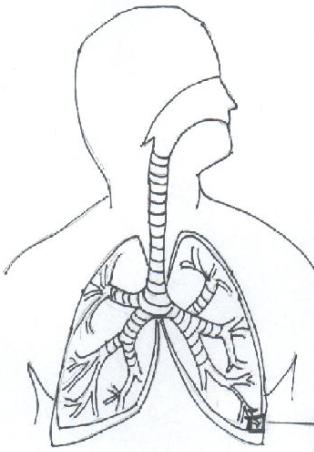
What is the purpose of the respiratory system?
takes in oxygen and release carbon dioxide
takes in carbon dioxide and releases oxygen
takes in nitrogen and releases carbon dioxide
takes in oxygen and releases nitrogen

The ___________ delivers oxygen to and removes carbon dioxide from the body?
cell nucleus
excretory system
circulatory system
respiratory system

Where is the diaphragm located?
below the heart
on each side of the bronchi
at the top of the left lung
below the lungs


Small sacs in the lungs that allow oxygen and carbon dioxide to move between the lungs and the bloodstream.
alveoli
lungs
diaphragm
bronchus

The main function of the respiratory system is to supply the blood with___________.
oxygen
water
nitrogen
carbon dioxide

What is respiratory system?
The system that helps you breathe.
The system that transports blood.
The system that helps you move.
The system that sends electrical signals.

