
 Worksheets
Crafts Final Review
Total questions: 44
Worksheet time: 27mins

Mosaics use ______ as a binder to keep the glass pieces in place.
Glue
Mod Podge
Grout
Gesso

Glass _______ are used to take tiny bites or pieces out of glass when making a mosaic.
Clippers
Breakers
Cutters
Nippers

______ is a liquid colorant used to change or alter the coloration of a fabric or fiber.
Paint
Dye
Stain
Wax

______ refers to a decorative detail added to something to make it more attractive.
Decoration
Patina
Embellishment
Finish

A glass _______ makes a score line in the surface of the glass
breaker
cutter
nipper
clipper

When you add height to a collage, one of the ways to use heavy gesso is through a stencil. This process adds ______ to the project, defining texture and adding height.
detail
embellishment
composition
relief

The proper term for the pieces of glass used in a mosaic is _______. Glass is one of many materials that can be used to make a mosaic.
tesserae
squares
tiles
media

________ is the style of art that incorporates a turn-of-the-century theme with futurism.
Modernism
Art Deco
Victorian
Steampunk

(a) is a craft in which you use a method of resist to create a fabric design.

(a) is a stiff substance used in collage to make a relief texture.

When making a mosaic, it is best to cut the glass into small pieces no larger than a (a) .
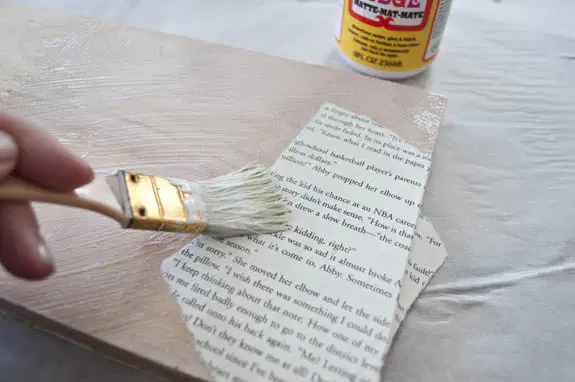
(a) is a clear sealant used to coat, seal, and glue down embellishments.

(a) is a green or brown film on the surface of bronze or similar metals, produced by oxidation over a long period of time.
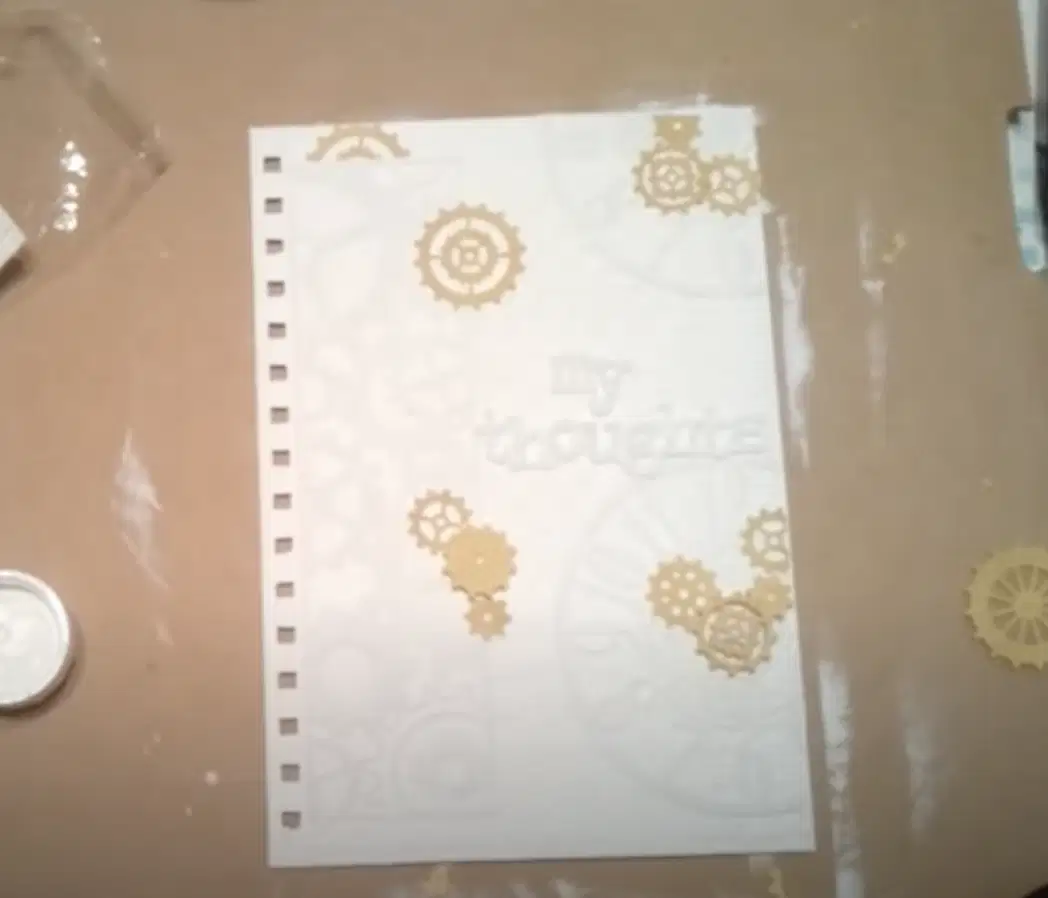
(a) is an art form that uses multiple materials placed in an arrangement to create a relief textured layout. It comes from a French word meaning "to glue"

Gloves and (a) should be worn for protection against glass particles when working on mosaics.

Cleaning the mosaic is vital to a successful project. This is especially important when the grout is still ______.
dry
wet
unmixed
powdery

The base on which you glue down your glass pieces is called a (a) .

_____ are perhaps the most known civilization that used the artform of mosaics to create decorative images on their walls and floors.
The Romans
The Mesopotamians
The Egyptians
The Mesoamericans
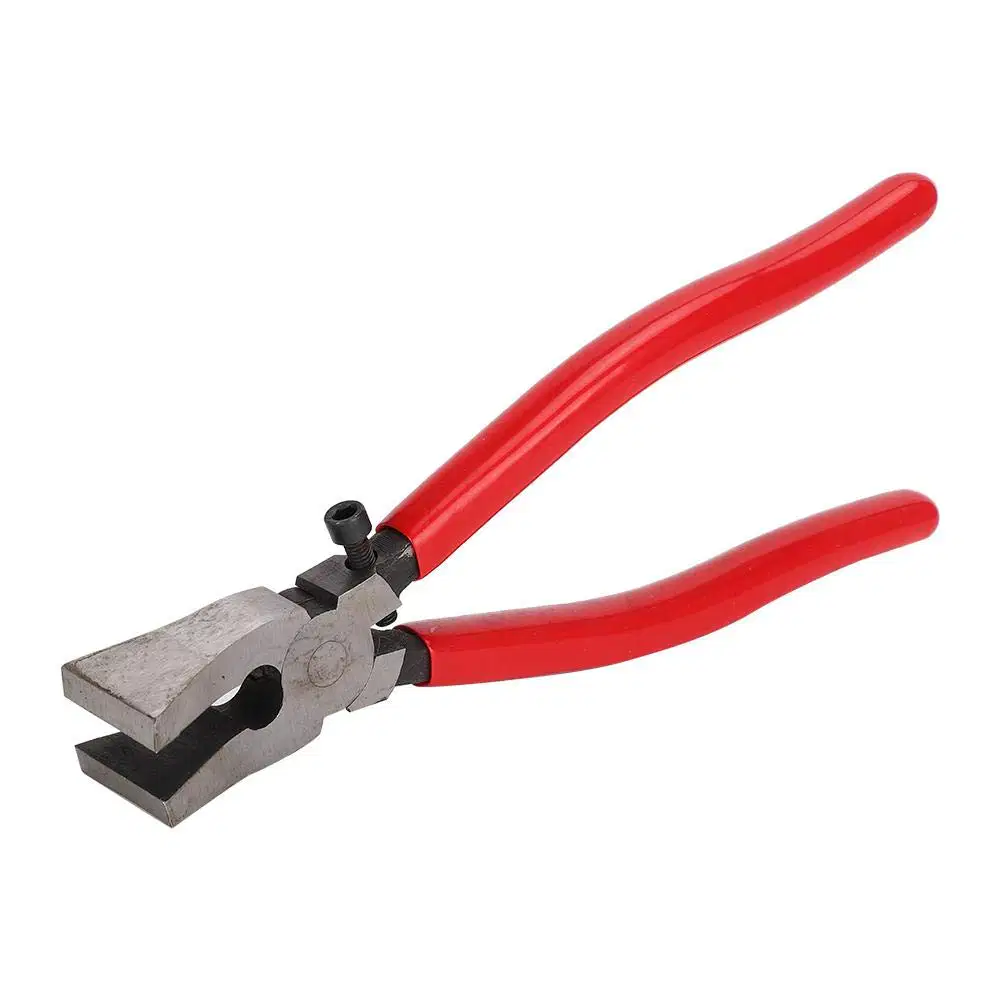
A glass _______ is a tool that snaps a piece of glass on the score line.
clipper
nipper
breaker
cutter

A ________ is a copper headed tool used to drizzle wax.
wax pan
iron
batik
tjanting tool

_____ is used to resist dyes on a fabric, allowing for multiple layers and types of dyes to be used in a batik piece.
wax
glue
gesso
iron
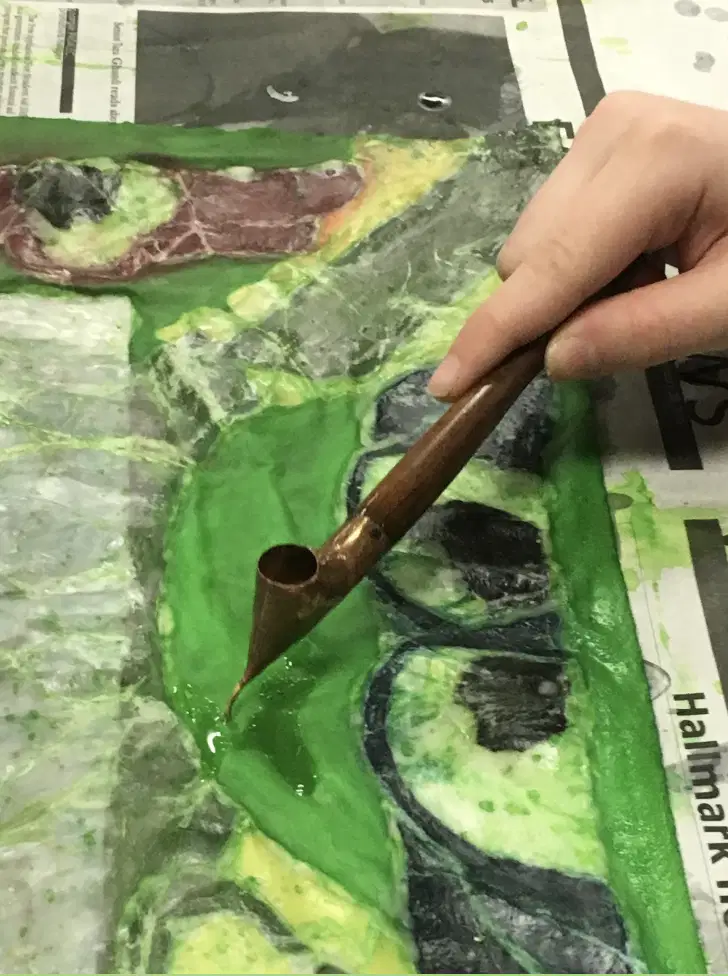
To ____ is to repel or prevent; what wax does to dyes on a batik.
iron
resist
stencil
gesso
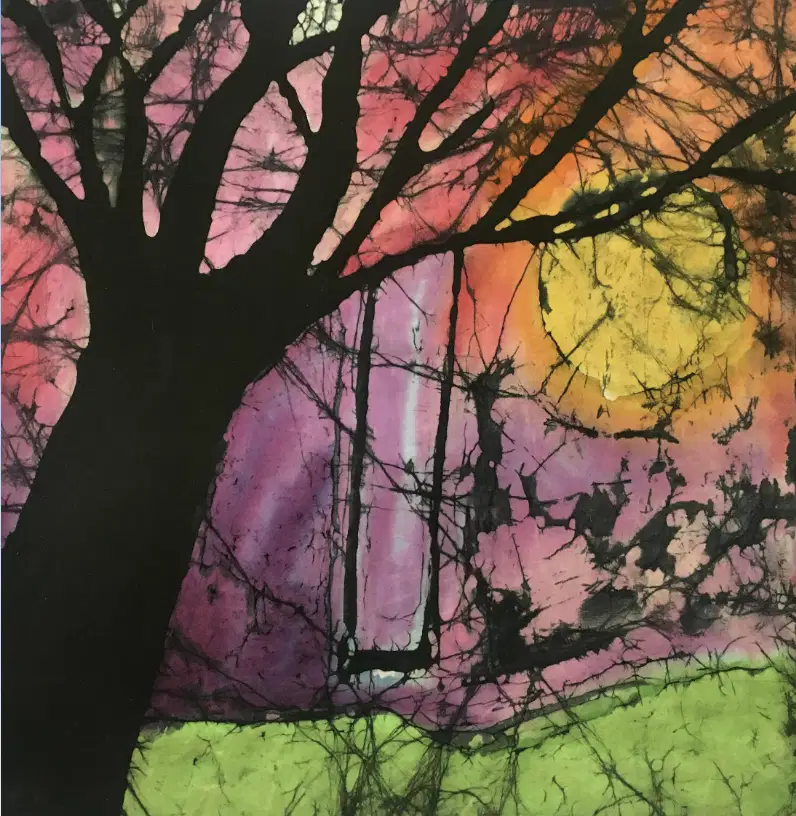
One uses a(n) _____ to remove the wax from a batik.
steamer
wax pan
cutter
iron

_____ was one of the earliest places Batik fragments have been found.
Kenya
Greece
Indonesia
Rome

A cloth with little dots is called a _____; this has evolved into a larger art form over time.
mosaic
batik
textile
weaving
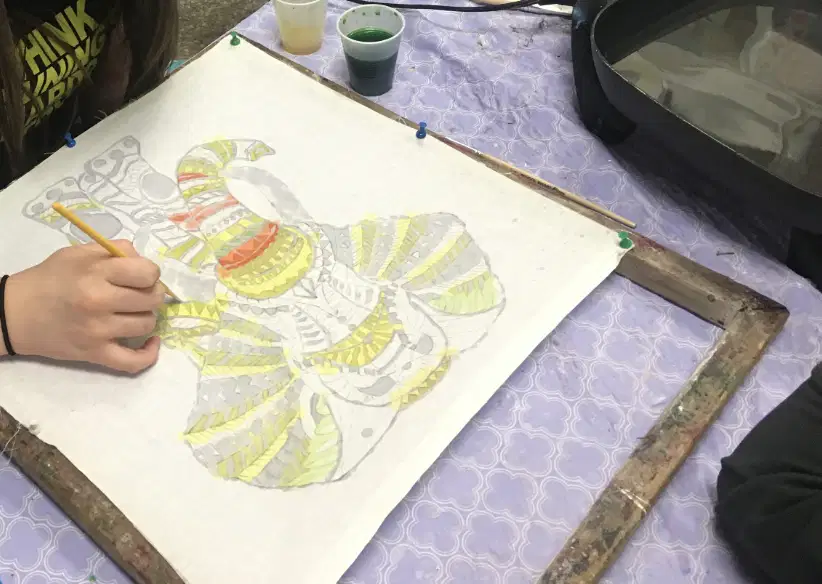
______ are where the wax heats up and is collected by tjanting tools or brushes; we never want to leave any tools in here for too long.
Wax pans
Irons
Kilns
Broilers
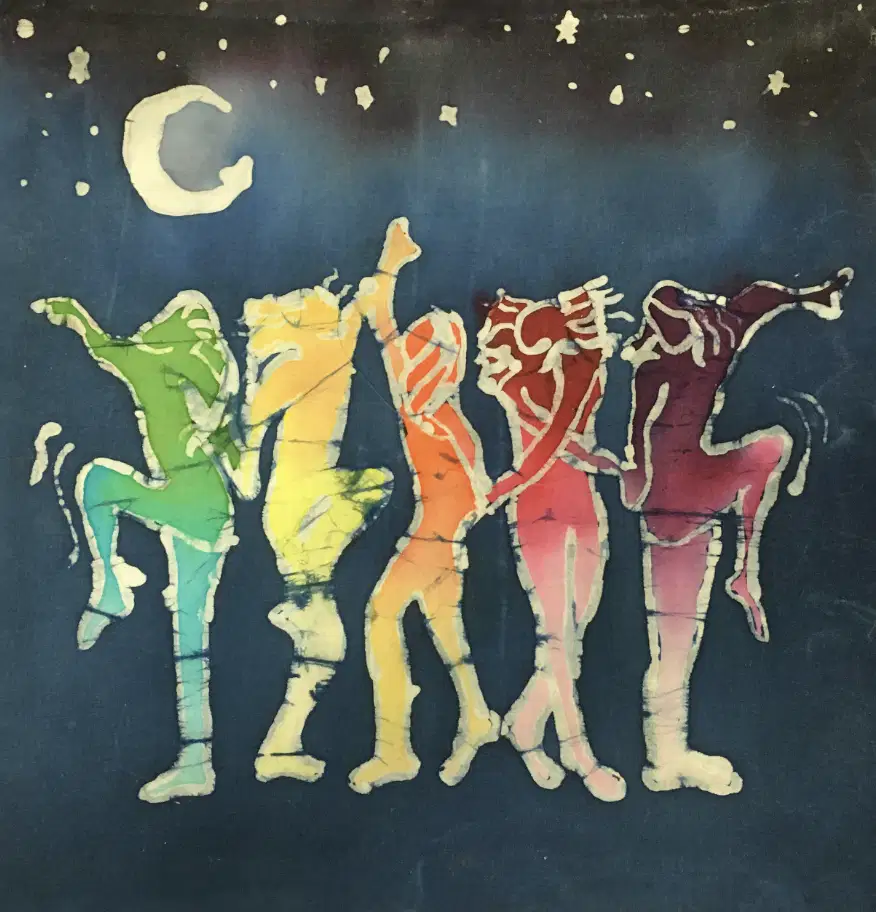
________ and _______ are the two most common fabrics used to make a batik.
Jersey and silk
Cotton and linen
Jersey and linen
Cotton and silk

When painting a new dye color onto a batik, one must allow enough time for it to _____.
spread
resist
dry
bleed through

When we talk about __________ , we are talking about the way in which parts of something are arranged or laid out.
collage
negative space
composition
layering

(a) are usually made from thin sheets of cardboard, plastic, or metal, and are used to produce the cut design on the surface below by the application of ink, gesso, or paint through the holes.

(a) is when something is made in imitation; has an artificial or "false" effect

_____ is the surface upon which we build a collage.
paper
ground
backing
base
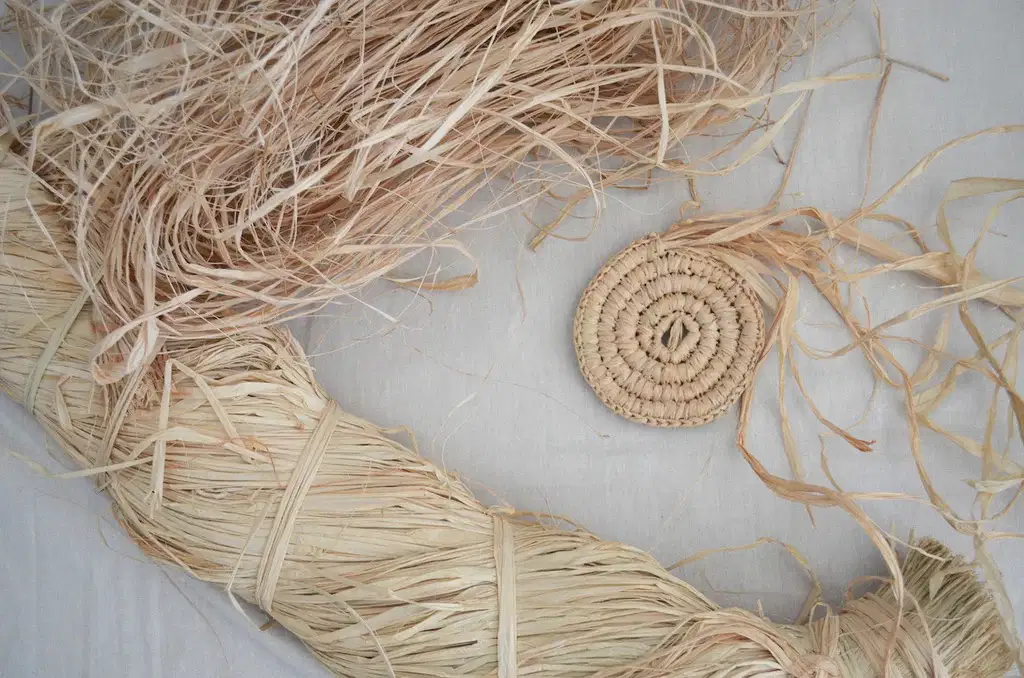
______ is the natural material created from a grassy plant and its leaves; it can be dyed any color or used in its natural form.
Yarn
Raffia
Jute
Black Ash

Usually, ______ are added to a basket after it has been constructed to enhance its appearance
embellishments
patina
weft
cording

When coiling a basket, you must first create the ______ that will hold up the walls as the cording travels around its perimeter. It starts with a spiral that creates the coiling patterning.
backing
center
base
ground

In order to cover the cording with weft material, you _____ around the cording until you cannot see its white surface any more. This is done before securing it to the coil below.
wrap / coil
stitch
splice
taper

______ is only grown and harvested in the Great Lakes region and has been used by generations of Three Fires Confederacy tribes in their traditional and contemporary practice of basketmaking.
cording
jute
Black Ash wood
raffia

Coiling is not the same as ________ because you use a piece of continuous material rather than joining together multiple pieces of material.
stitching
weaving
sewing
wrapping
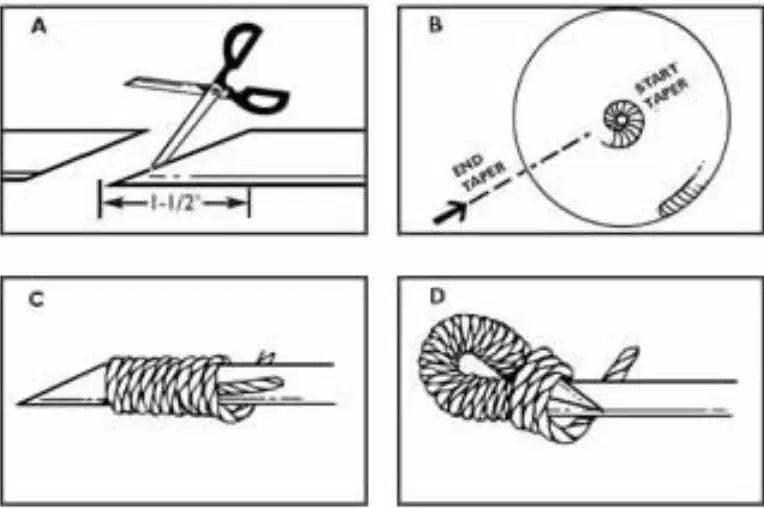
When you ______ the end of a piece of cording, you cut it at an angle so it is ready to attach to another piece or of finish off the rim of the basket.
wrap
stitch
splice
taper

Yarn, raffia, jute, paper ribbon, and other fibers are _____ materials, meaning they cover the exposed cording of a coiled basket.
natural
weft
artificial
warp
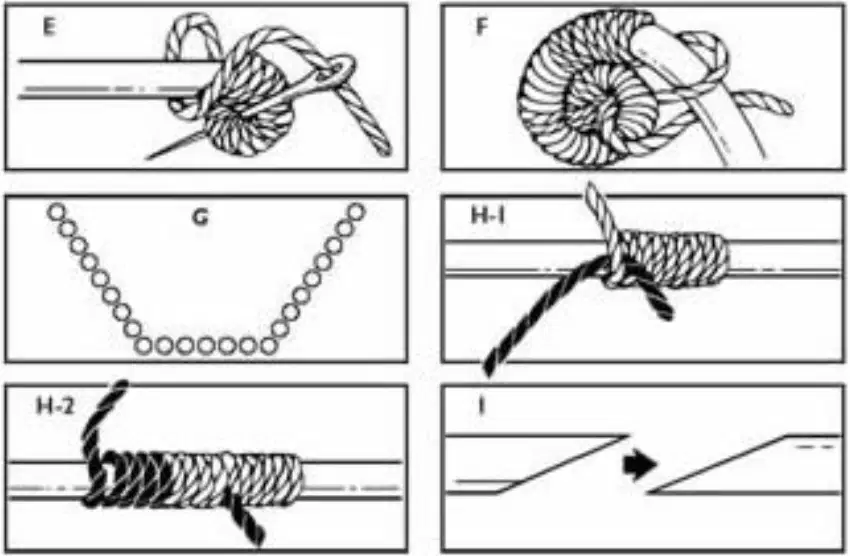
When you ______, you are joining two pieces of cording together.
splice
stitch
taper
wrap
______ is what gives structure to a coiled basket, usually made out of flexible material like fiber or plastic tubing.
ground
backing
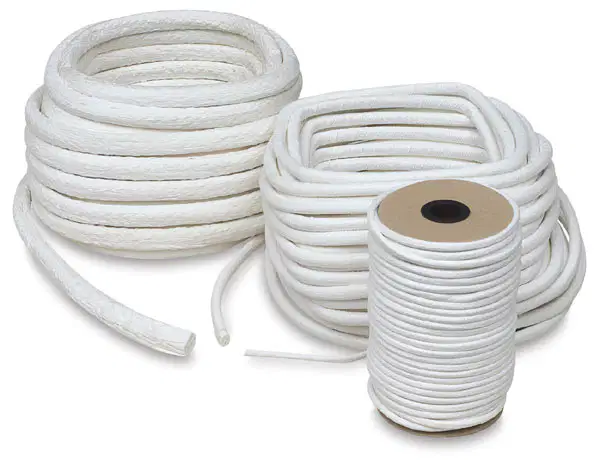
cording / coiling core
base

To secure the weft to the previous row of coiling core, ______ using a needle.
coil
splice
wrap
stitch

________________ is a type of art that has a use or purpose; it can be used in daily life.
Functional art
Cording
Black Ash
Crafts

