
Font size
 Worksheets
Prac Exam Mod 1 & 2 in NI
Total questions: 113
Worksheet time: 2hrs 39mins
is an established and growing area of specialization in nursing
(a)
The term “nursing informatics” was initially seen in literature in the ____
1980s
1930s
1990s
1920s
combining nursing, information, and computer sciences for managing and processing data into knowledge for using in nursing practice
(a)
“a specialty that integrates nursing science, computer science, and information science to manage and communicate data, information, knowledge, and wisdom in nursing practice”
(a)
“Nursing Informatics science and practice integrates nursing, its information and knowledge and their management, with information and communication technologies to promote the health of people, families and communities worldwide”
(a)
It was identified by (a) report in 2001 that a transformation in healthcare is needed. Included in this report was a call for the use of health information technology (IT) to enhance the quality, safety, and efficiency of healthcare. This transformation includes improving communication between providers and patients, automating clinical information, reducing errors, and promoting evidence-based practice.
are those who have extensive clinical practice, are considered experts in using the nursing process, and have additional experience and education with technology
(a)
practice in a wide variety of roles that are ultimately aimed at improving patient care delivery and the nursing practice experience.
(a)
Informatics was first coined by (a) as “Informatiks” in 1957
Multidisciplinary science drawing from varied theories and knowledge applications.
Informatics
Nursing Informatics
Personal Informatics
Healthcare Informatics
Informatics was used by (a) as “Informatique” in 1962
Facilitates the integration of data, information, and knowledge to support patients, nurses and other providers in their decision-making in all roles
(a)
supports the decision-making of patients, nurses, and other providers in all roles and settings. This assistance is achieved through the use of information structures, processes, and technology.
(a)
He translated informatique to “Informatics”
(a)
the term “information” and “automation” means (a)
A science that combines a domain science, computer science, information science, and cognitive science
Informatics
Nursing Informatics
Personal Informatics
Healthcare Informatics
In 1980, ___ applied this new term to the art of science and nursing, coining the term, “Nursing Informatics”, which they defined as “…the application of computer technology to all fields of nursing---nursing services, nurse education and nursing research”.
Graves and Corcoran
Kathryn Hannah
Scholes and Barber
the study of complex system, information and computation using applied mathematics, electrical engineering and software engineering techniques.
(a)
is the study of processing, management and retrieval
(a)
Is the use of information technologies in relation to the nursing functions.
(1985)
Graves and Corcoran
Kathryn Hannah
Scholes and Barber
May provide information or decision to modify budget, provide different staffing, move supplies to different locations, or make other changes for more efficient and higher quality care.
(a)
Is a combination of computer science, information science and nursing science designed to assist management and processing nursing data, information, and knowledge to support the practice of nursing and the delivery of nursing care. and settings. The support is accomplish through the use of information structures, information processes , and information technology.
(1989)
Graves and Corcoran
Kathryn Hannah
Scholes and Barber
Specialty that integrates nursing science, computer science, and information science in identifying, collecting, processing and managing data and information to support nursing practice, administration, education, research and the expansion of nursing knowledge.
(a)
3 FOUNDERS OF NURSING INFORMATICS IN THE PHILIPPINES
(a)
Data accumulated from various electronic devices are stored for research purposes.
(a)
Is a professional with a formal RN graduate degree and passed the credentialing in nursing informatics in a state.
(a)
what are the 4 scopes of practice?
(a)
Used to order supplies , test, meals and services from other departments.
(a)
used extensively in health care to assess and monitor clients conditions
(a)
Allows nursing service to determine the most costly items used by a particular nursing unit.
(a)
Computer in Nursing Research
(a)
Useful in locating current literature about the problem and related concepts.
Helps in searching existing documents and email colleagues.
PROBLEM IDENTIFICATION
LITERATURE REVIEW
RESEARCH DESIGN
DATA COLLECTION AND ANALYSIS
Helps create form for the collection of data such as informed consent, demographic data and recording forms.
Commonly used software for quantitative data analysis
PROBLEM IDENTIFICATION
LITERATURE REVIEW
RESEARCH DESIGN
DATA COLLECTION AND ANALYSIS
Software facilitated researchers, contains thesaurus so the most appropriate terms can be selected.
PROBLEM IDENTIFICATION
LITERATURE REVIEW
RESEARCH DESIGN
DATA COLLECTION AND ANALYSIS
Search literature for instruments that have already been established or to design and test instruments that need to be developed for past study.
PROBLEM IDENTIFICATION
LITERATURE REVIEW
RESEARCH DESIGN
DATA COLLECTION AND ANALYSIS
Nursing informatics is the intersection between the discipline-specific science (nursing) and the area of informatics.
(a)
COMPUTERS IN NURSING ADMINISTRATION
(a)
Allow client records to be searched for trends, number of cases, most expensive cases, and client outcomes.
HUMAN RESOURCES
MEDICAL RECORDS MANAGEMENT
FACILITIES MANAGEMENT
BUDGET AND FINANCE
Claims are transmitted much more quickly.
Can also effect cost-savings by reducing the desired services time needed for accounts payable and receivables.
HUMAN RESOURCES
MEDICAL RECORDS MANAGEMENT
FACILITIES MANAGEMENT
BUDGET AND FINANCE
Heating, air conditioning, ventilation, alarm systems are computer controlled.
HUMAN RESOURCES
MEDICAL RECORDS MANAGEMENT
FACILITIES MANAGEMENT
BUDGET AND FINANCE
it reflects an interpretation, organization or structuring of data, the result of processing data.
DATA
INFORMATION
KNOWLEDGE
DATA PROCESSING
All employers must maintain a data/database on each employee.
Administrator can use this data base to communicate with employees, examine staffing patters and create budget programs
HUMAN RESOURCES
MEDICAL RECORDS MANAGEMENT
FACILITIES MANAGEMENT
BUDGET AND FINANCE
Nursing Informatics as the linear progression from data into information and knowledge
(a)
Is integrated within each elements, depicting nursing informatics as the proper management of knowledge - from data as it is converted into information and knowledge.
(a)
Proposed a model intended to stimulate and guide systematic research in nursing informatics in 1986
(a)
occurs when raw facts are transformed through the application of context to give those facts meaning or via the organization of data into a structure that connotes meaning.
DATA
INFORMATION
KNOWLEDGE
DATA PROCESSING
Model/framework that enables identification of significant information needs, that can foster research (somewhat similar to MASLOW'S HIERARCHY OF NEEDS)
(a)
What are the core components of Informatics
(a)
identified as current metastructures or overarching concepts for nursing informatics. When we talk about ____, these are discrete entities that are described objectively without interpretation.
DATA
INFORMATION
KNOWLEDGE
DATA PROCESSING
Every nurse must be able to continuously exhibit the capability to acquire skills, and then demonstrate specific skills beginning with the very first student experience.
(a)
information that is synthesized so that the relationships are identified and formalized. It is necessary to processing of data and information.
DATA
INFORMATION
KNOWLEDGE
DATA PROCESSING
what are the Level of Expertise:
(a)
Computer is derived from the word ______ which means to _______
(a)
was originally defined as a super-fast calculator. It had the capacity to solve complex arithmetic and scientific problems at very high speed.
It is an electronic machine that follows a set of instructions in order that it may be able to accept and gather data and transform these into information.
(a)
First digital computer was developed
(a)
WHEN was the COLOSSUS MARK-I developed
(a)
First general purpose computer was developed
(a)
WHEN was the ENIAC developed
(a)
First commercial computer
(a)

COLOSSUS MARK I
ENIAC
UNIVAC-1
WHEN was the UNIVAC-1 developed
(a)
was used to process payroll of generic electric
(a)
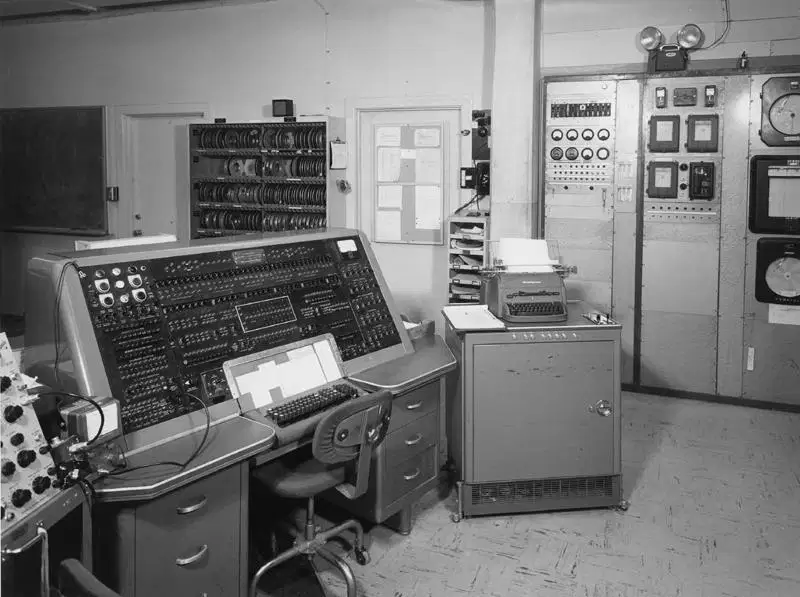
COLOSSUS MARK I
ENIAC
UNIVAC-1
COLOSSUS MARK I
ENIAC
UNIVAC-1
Nov 1972 (a) is introduced.
This intervention allowed the personal computer or the microcomputer be possible.
Smaller version of mainframe computers
Less complex processes
Relatively expensive
Supercomputers
Mainframe
Minicomputers
Designed for complex scientific calculations
Expensive and bulky
Supercomputers
Mainframe
Minicomputers
Support organizational information systems
Large storage capacity
Expensive
Supercomputers
Mainframe
Minicomputers
Below are POSITIVE EFFECTS of computers to society EXCEPT:
Communication is now elaborate
Productivity is increased
Data piracy
Information is shared easily
is a collection of independent and unorganized facts.
(a)
is the processed and organized data presented in a meaningful form.
(a)
is the course of doing things in a sequence of steps.
(a)
3 major components of Information Processing System
(a)
The most noticeable component of any computer.
(a)
The CENTRAL NERVOUS SYSTEM of the computer
It facilitates communication among all of the different computer components.
(a)
A critical component of any computer because it provides essential energy needed to allow a computer to operate.
(a)
Acts as a permanent data storage area that holds gigabytes or even terabytes worth data.
(a)
Considered to be volatile memory because it is a temporary storage system that allows the processor to access program codes and data while working on task.
(a)
Is essential permanent or semipermanent nonvolatile memory that stores saved data and is critical in the working of the computer's OS and other activities.
This is primarily stored in the MOTHERBOARD.
(a)
Is a specific type of ROM used by the computer when it first boots up
(a)
Primary interface for the hard drive
(a)
It is important for connecting additional plug in components to the computer.
(a)
Can do everything a CD can do
(a)
Often used to connect digital-video devices to the computer
Serial port
Parallel port
USB
Firewire
is a component that can be suited either externally or internally relative to the computer and enables internet connectivity via a cable connection through network adapters situated within the computer apparatus.
(a)
Stored on the hard disk to provide temporary data storage so data can be swapped in and out of the RAM as needed.
(a)
Connects to an external modem
Serial port
Parallel port
USB
Firewire
Connects to myriad of plug-in devices
Serial port
Parallel port
USB
Firewire
Brain of the computer.
It directs and controls the entire computer system and performs all arithmetic and logical operations.
(a)
Connects to a printer
Serial port
Parallel port
USB
Firewire
is used to store the programs and data that you will run.
Exists only when there is power.
(a)
Brain of the computer.
It directs and controls the entire computer system and performs all arithmetic and logical operations.
(a)
Computers come equipped with a graphic accelerator card slotted in the micro processor of a computer to process image data and output those date to the monitor.
(a)
Provides video memory, a video processor, and a digital-to-analog converter that works with the processor to output higher quality video images to the monitor.
(a)
converts digital data into an analog signal that is then output to the computer's speakers or headphones.
(a)
Comprises the application programs developed to facilitate various user functions such as writing, artwork, organizing meetings, surfing the internet, communicating with other and forth.
(a)
Where the programs and data are stored
(a)
contains the pre-programmed computer instructions such as the Basic Input Output System (BIOS).
(a)
Allows data and programs to be sent to the CPU
(a)
a type of computer mouse that has a rubber or metal ball on its underside and it can roll in every direction.
(a)
This type uses a laser for detecting the mouse's movement.
(a)
2 types of Monitor
(a)
A type of printer that uses pressure by physically striking the paper.
(a)
A standard part of modern desktop machines, especially used for multimedia purposes and preferred in loading applications.
(a)
A type of printer that does not apply pressure on the paper but instead produces character by using lasers, ink spray, photography or heat.
(a)
Attached to the computer system to allow you to store programs and data permanently for the purpose of retrieving them for future use.
(a)
What is the most common secondary storage device?
(a)
Made of rigid materials unlike floppy disks
Holds a greater amount of data
(a)
enables the application software to interact with the computer hardware.
(a)
provides the real functionality of a computer. It help you use your computer to do specific types of work.
(a)
output from a process that can serve as an input.
(a)
any component of the process that corrects/prevent error
(a)
activity of the system
(a)

