
 Worksheets
U3 Review
Total questions: 52
Worksheet time: 52mins
the breaking down of rocks, soil or minerals
erosion
volcano
valley
weathering
when the ground shakes suddenly
weathering
volcano
earthquake
island

What does the picture show?
volcano
mountain
valley
earthquake

What does the picture show?
erosion
weathering
mountain
earthquake
Glaciers DROPPING rock and sand to form terminal moraines
weathering
erosion
deposition
What force can rapidly change the Earth's landscape?
wind erosion
weathering
thunderstorm
volcanic eruption
Record yourself explaining HOW an earthquake can change Earth's surface.


Weathering is
the movement of rocks
the breaking down of rocks
the falling of rocks

Which one will help make the soil?
Volcanic eruptions that make new land
Building up of snow in very cold areas
Migration of animals to warmer climates
Breaking down of rock by wind, water, and ice

Soil is composed of all of these EXCEPT
weathered rock
plant matter
plastic substances
animal remains

A student put rocks in a jar of water and shook it. There were small pieces of broken rock in the water. What happened?
Weathering of earth materials
Decay of plant matter
Formation of various minerals
Mixing of water and air
Rocks, loose soil, and sand rapidly sliding down a slope are a change to the surface of the earth known as a –
Volcano
Landslide
Earthquake
Glacier
Sandy wants to model the effect of a landslide. What is the best way she can model this?
Pack materials into a closed container and shake them rapidly.
Separate the rocks and soil by sifting it.
Place materials on a steep slope and pour water.
Lay the materials on the table and blow on them with a straw.
A landslide is......
a sudden movement of part of the Earth's crust that loosens rock and soil at the top of a steep slope.
an eruption of flowing lava that creates new land when it cools down.
the shaking and cracking of the Earth's crust.
the break down of rock into small pieces until it becomes soil.
Earthquakes and Volcanoes can cause landslides.
True
False
Large amounts of rainfall will cause a landslide.
True
False
How can volcanoes create new land?
lava flows and destroys land.
the steam from the saltwater touching the lava.
Lava erupts, cools down and hardens into rock.
magma forms underground inside the volcano.
How are volcanic eruptions, landslides and earthquakes similar?
Natural forces
Rapid changes
Large waves crash
Destructive
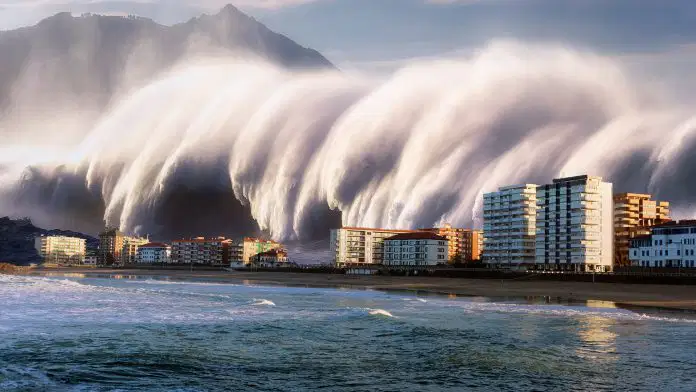
What can cause a tsunami?
A landslide when mud rolls down a hill.
An underwater earthquake where tectonic plates shift.
When a volcano erupts and lava flows creating new land.
Earthquakes can cause (a) changes to the Earth

When earthquakes occur, the earth's crust and ground will (a)
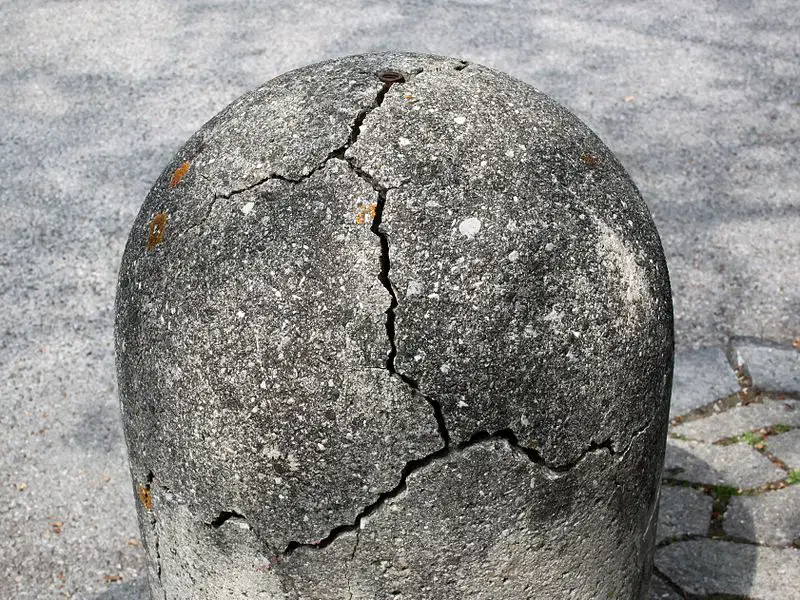
What is Weathering?
Wind carrying sediment away.
The break down of rock into smaller pieces over long periods of time.
The formation of large rocks.
Water flowing down the stream.

What is soil made of? SELECT ALL THAT APPLY.
Decomposed Animals
Decomposed Plants
Weathered Rocks
None of the above
Which of the following helps the development of soil?
Wind, Rocks, Ice
Wind, Water, Ice
Migration of animals
Volcanic eruptions
Which of the following processes will most likely contribute to the development of soil?
Volcanic eruptions that make new land
Building up of snow in very cold areas
Migration of animals to warmer climates
Breaking down of rock by wind, water, and ice
Which of the following can break down rock over time?
Wind, Rocks, Ice
Wind, Water, Ice
Migration of animals
Volcanic eruptions
Weathering, Erosion, and Deposition are slow changes that take many many years to occur.
True
False
Lava from a volcanic eruption can change the surface of the Earth by...
forming new land
making oceans boil
carving deep valleys
pushing aside hills
How do earthquakes change the surface of the Earth?

What natural disaster caused these rock layers to shift and split?
Flood
Landslide
Volcano
Earthquake
Rocks, loose soil and sand rapidly sliding down a slope are a change to the surface of the earth cause by a
(a)
Volcanic Eruptions
Melted rock from deep in the Earth is forced to the surface
Landslide
Rocks and soil moves rapidly down a slope
Earthquakes
The ground shakes violently and cracks can form

A rapid change is a change that happens...
slowly.
hot.
cold.
quickly.
Which of the following is a slow change to Earth's surface?
Volcanic Eruptions
Weathering
Landslides
Earthquake

Volcanoes, landslides, and earthquakes are examples of __________ changes to Earth's surface.
rapid
slow
gradual
slight

Which one of these is the shaking of the Earth's surface?
Volcano
Earthquake
Landslide
Tsunami
What am I?
I am rapid movement of soil down a slope.
I am caused by heavy rainfall, earthquakes, and volcanoes.
Landslides
Volcanic Eruptions
Earthquakes
Which natural disaster causes cracks in the Earth's surface?
Volcanic Eruption
Earthquake
Landslides
Tornado
________ or quick changes can occur to our Earth within minutes or even seconds.
rapid
large
small
slow
Eruptions happen quickly and are considered a ______ Change.
Slow
Resource
Rapid
When rocks and debris fall down a slope or mountain, this is called a _________.
Landslide
flood
Volcano

What is NOT an example of a rapid change?
Tsunami
Landslide
Earthquake
Erosion
What is a difference between slow and rapid changes?
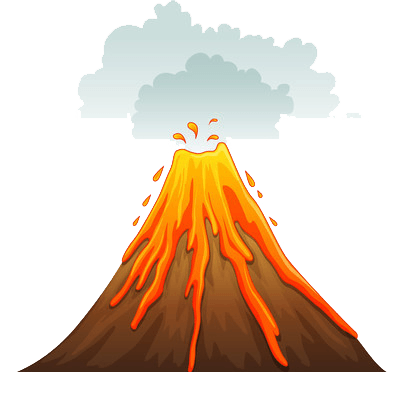
Volcanoes create new land on the Earth’s surface when –
lava flows then cools and hardens to form rock.
an eruption destroys the side of a mountain.
magma forms giant underground chambers.
saltwater touches lava and changes into steam.
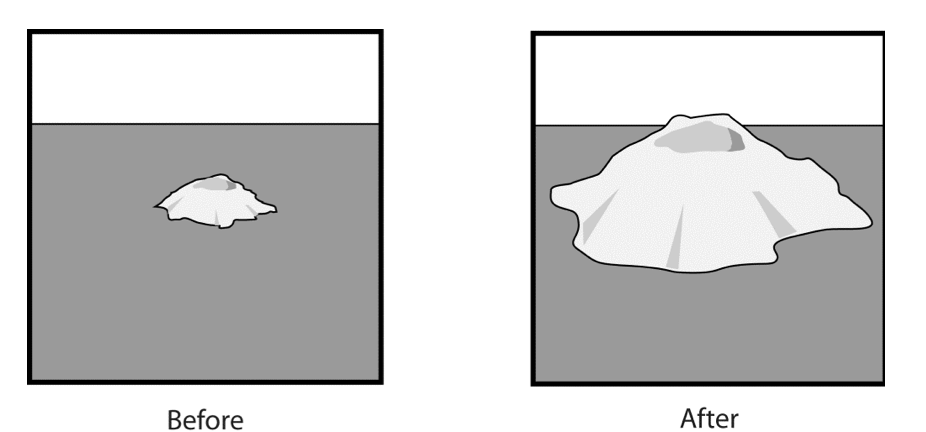
The picture shows an island in the middle of the ocean that increased in size in only a few weeks.
Which of the following most likely caused this rapid change in the island?
Earthquake shaking the water
Movement of waves
Eruptions of a volcano
Piling up of sand

