
 Worksheets
Beginning Band Spring Semester Review
Total questions: 30
Worksheet time: 23mins
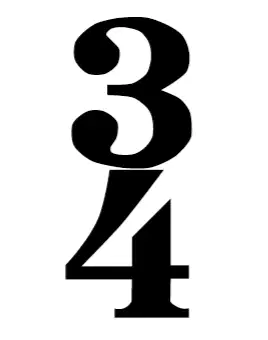
What does the top number of a time signature tell us?
What type of note is one beat long
How many beats are in a measure
How fast the tempo is
How many notes are in a measure

Which instrument does NOT read in treble clef?
Trumpet
Flute
Bassoon
French horn

What does a key signature tell us?
How many beats are in a measure
To practice
Which notes will be played sharp or flat in a piece of music
Which instruments should play
Which tempo marking means "a slower walking tempo?"
Andante
Allegro
Vivace
Moderato

What does the bottom number of a time signature tell us?
How many beats are in a measure
Quarter note
How many minutes left in class
What type of note gets one beat
If the time signature of a song is 3/4, how many beats are in one measure?
4
2
3
3/4
To articulate quickly, a player should...
Tighten their facial muscles
Use their jaw
Blow faster air
Use more of the front of the tongue against the teeth
What symbol tells a player to not articulate a note?
a crescendo
bass clef
a slur
eighth note

To play higher notes, the player should:
Clench their jaw firmly
Play as loudly as possible
Use faster, cooler air and raise the back of the tongue
Use less air
Draw a half note.

Which of the following is not considered a brass instrument?
Tuba
Euphonium
Trumpet
Xylophone

What do all percussion instruments have in common?
All must be struck to play
Strings
They are made of metal
a mouthpiece
The word "dynamics" refers to ...
The speed of the music
Volume (loud vs. soft)
The types of notes in a song
How many instruments are playing
Music marked "piano" should be played at a (a) volume.

True or False: A saxophone uses a reed to make sound.
True
False
A dot is worth ____ the value of whatever it is dotting.
1/4
2/3
2 times
1/2

This rhythm is counted :
1 2 + 3 4
1 + 2 + 3 4
1 2 3 4
1 + 2 3-4
The musical alphabet is:
ABCDEFGH
ABCD
ABCDEFG
GABCDE
The order of flats is
BEADGCF
FACE
EGBDF
FCGDAEB

What does a FLAT sign do?
Lowers a sound by a half-step
Tells you to repeat the song
Makes a note longer

What is this sign?
Play in tune
Final bar line
Repeat sign
Key signature
Music marked "piano" should be played at a (a) volume.
Draw a sharp sign
The two parts of a beat are called:
foot tap
eighth notes
Front and back
Upbeat and downbeat

How many beats would a dotted half note receive in 4/4 time?
1
2
3
4
Draw the clef sign for your instrument
Your #1 most important thing to do as a musician is to always:
play as loudly as you can
play with beautiful tone
write your note names in
Double reed instruments include the bassoon and the
xylophone
clarinet
oboe
tuba
What tempo marking means to play at a medium tempo?
Presto
Largo
Crescendo
Moderato
How many beats does a whole note get in 4/4 time?
1
2
3
4

