
Font size
 Worksheets
Water transfer in China AQA GCSE Geography CGP p110
Total questions: 25
Worksheet time: 23mins

Northern China is home to two megacities, Beijing and Tianjin, both have a population of over (a) people.
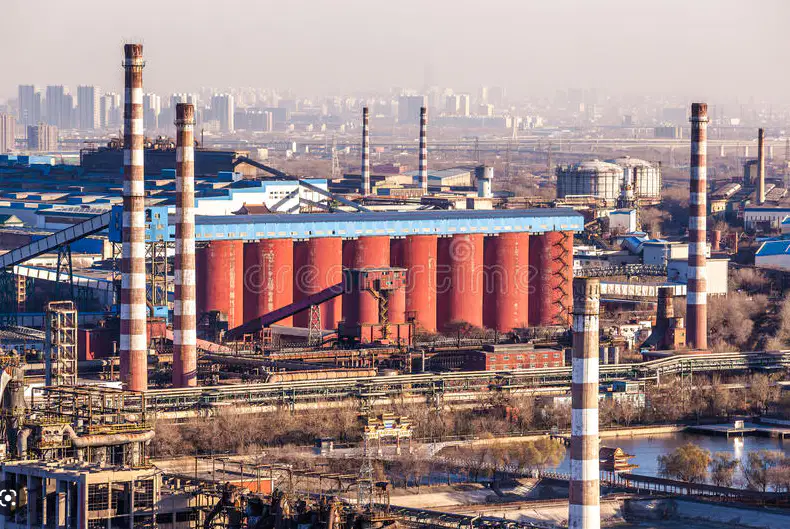
The demand for the water in the North of China is due to the following reasons -
Tick all that apply
Agriculture
Fishing
Expansion of Industry
Population decline
Population increase

In the past what was the main source of water in Beijing?
Groundwater
Reservoirs
Wells

Land (a) and (b) were the result of an unstable, dried out landscape, exacerbated by over-abstraction
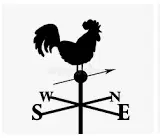
In which direction is the water transferred in the Chinese Water Transfer Project?
North to South
South to North
When finished, the Water Transfer project will link China’s four main rivers – the (a) , (b) , Huaihe and Haihe.
(Answers in alphabetical order)

There are 3 canal routes in the project -
tick correct answers
Central
Eastern
Northern
Western
Southern

How much water is the $62billion Chinese SNWTP designed to transfer every year?
22.8 billion cubic metres
44.8 billion cubic metres
78.8 billion cubic metres
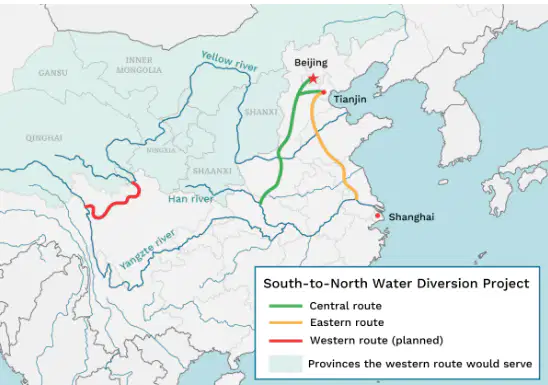
Work began on the project in 2002 and since then the Central and (a) Routes have been completed.

In what year is the Western Route due to be completed?
2030
2040
2050
2060

Is the China SNWTP an example of a small or large scale scheme?
small-scale
large-scale
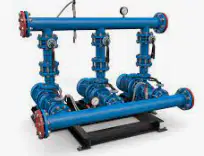
How is it possible to transfer the water through the long length of canals?
Dams and reservoirs
Natural gradients
Pumping stations and tunnels

The Eastern Route has (a) of tunnels and (b) pumping stations

The project provides clean water for over (a) cities.
The Chinese government estimates that over 100 million people have benefitted from the project so far.
True
False
Water is important to industry so an increased water supply means that industrial (a) can continue.

Agriculture benefits from the scheme as water is made available for (a)
One of the advantages of not over-abstracting groundwater in the North is that it will stop further ................
drought
flooding
land subsidence

One of the disadvantages of the scheme is that large areas have been flooded, which has destroyed natural (a)

The huge construction works are damaging fragile ecosystems
True
False

Diverting so much water may increase water stress in the South - e.g. in 2010-2011 a ............... significantly reduced China's wheat yields.
cyclone
drought
flood

Why were the people who were displaced by the construction of the Danjiangkou Dam so upset?
Tick all correct answers
There was little compensation
They were allotted a smaller area of land
Alternative housing was poorly built
Many were left unemployed

What are the disadvantages of the water supply scheme?
Expensive due to the high construction costs
It is only available to the better off in urban areas.
Many people in rural areas have no access to the diverted water
All answers are correct
Raising the Danjiangkou Reservoir dam flooded productive farmland. (a) people were forced to move and (b) of land were flooded.
To answer the questions watch the video.
The purpose of the South-North water transfer scheme was to combat water ............... in the North.
insecurity
security
surplus

