
Font size
 Worksheets
Book 4 Ch.1 Food & Nutrients
Total questions: 12
Worksheet time: 3hrs 0mins

Which of the following is not one of the five major groups of nutrients?
Protein
Fat
Minerals
Dietary fibre
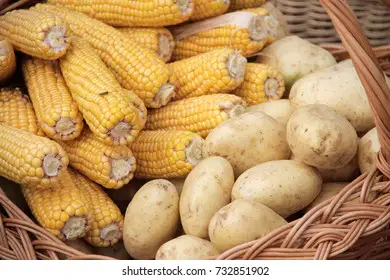
Which of the following nutrients are corn, potatoes and sugar rich in?
Vitamins
Carbohydrates
Minerals
Protein

Which of the following vitamins are fish oil and butter rich in?
Vitamin A
Vitamin B
Vitamin C
Vitamin D

Which of the following is the function of vitamins and minerals?
Make up parts of the body.
Clean the body.
Keep the body healthy.
Provide energy.
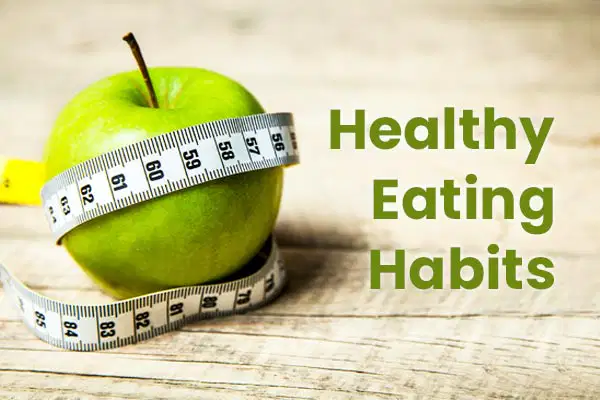
Which of the following is a good eating habit?
Chew slowly.
Read while having meals.
Skip breakfast sometimes.
Eat snacks instead of fruits.
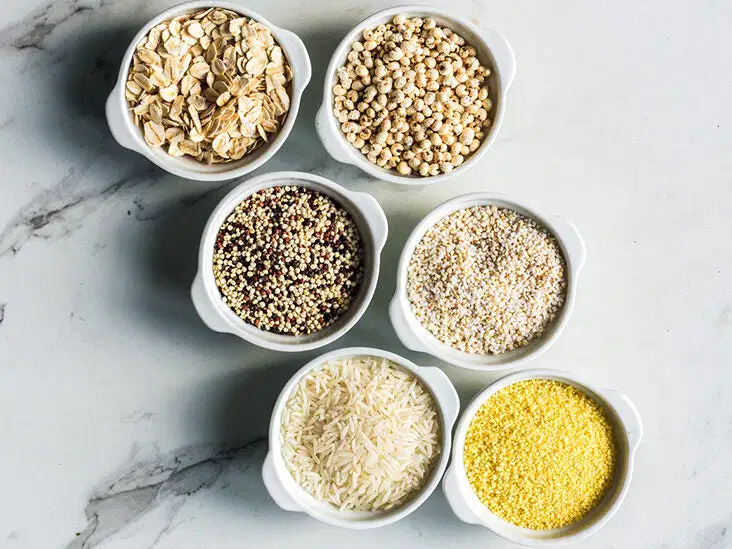
Most grains are rich in carbohydrates which provide energy for the body. They are the kind of food that we should eat most.
True
False
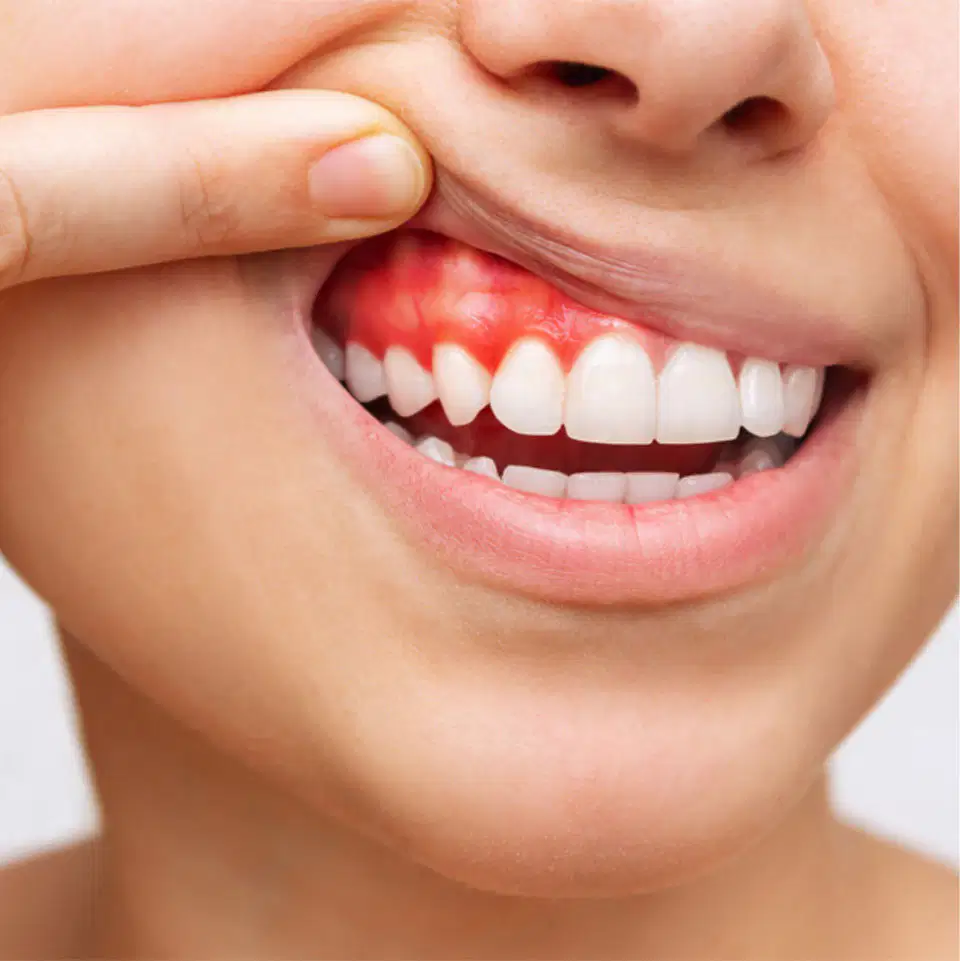
A lack of carbohydrates may cause hair loss and bleeding gums.
True
False
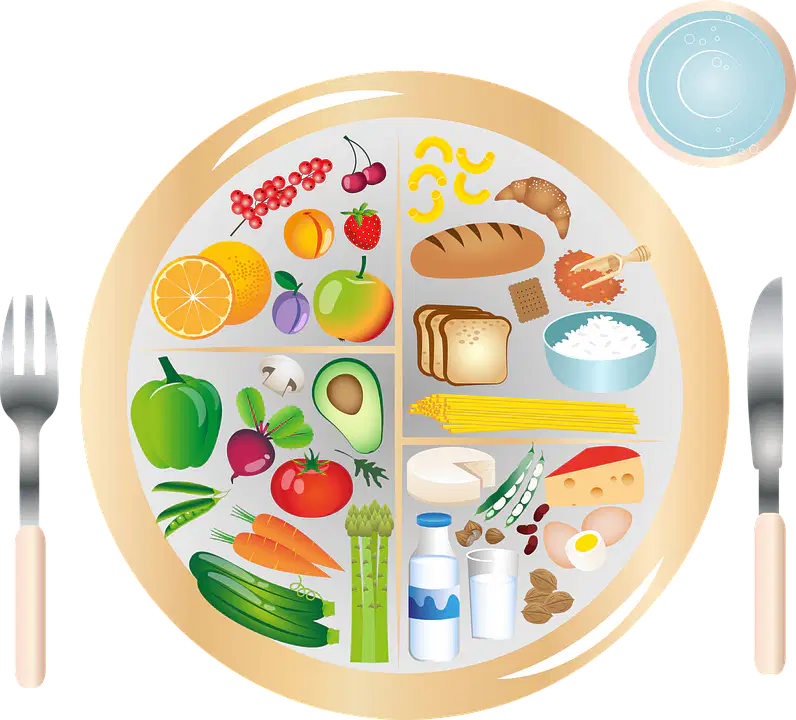
Different kinds of food have different nutritional values. We can refer to the food pyramid so that we can have a balanced diet.
True
False

Without dietary fibre, we may have less hair, slower body growth and a weaker immune system.
True
False
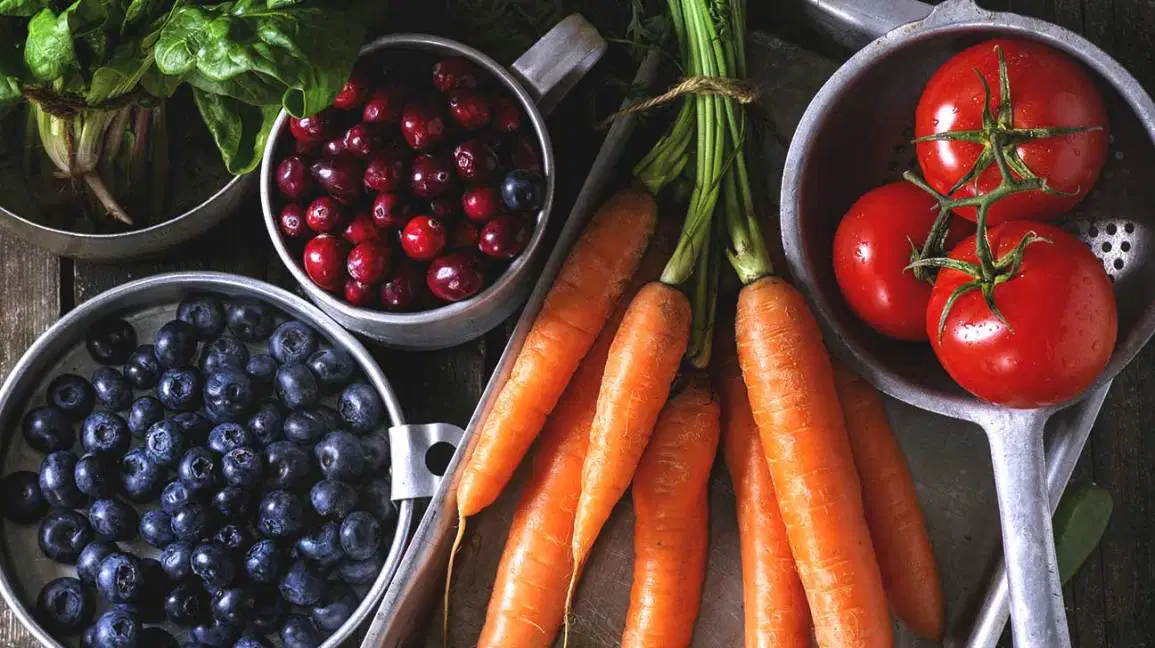
Which of the following health problems are the results of a lack of these nutrients?
Iron
Often feeling tired and dizzy
Calcium
Weak bones
Dietary fibre
Constipation
Protein
Slow body growth

Which of the following health problems are the results of a lack of these vitamins?
Vitamin A
Poor night vision
Vitamin B
Poor growth
Vitamin C
Weak immune system
Vitamin D
Weak bones
Which food groups in the food pyramid do the following food items belong to?
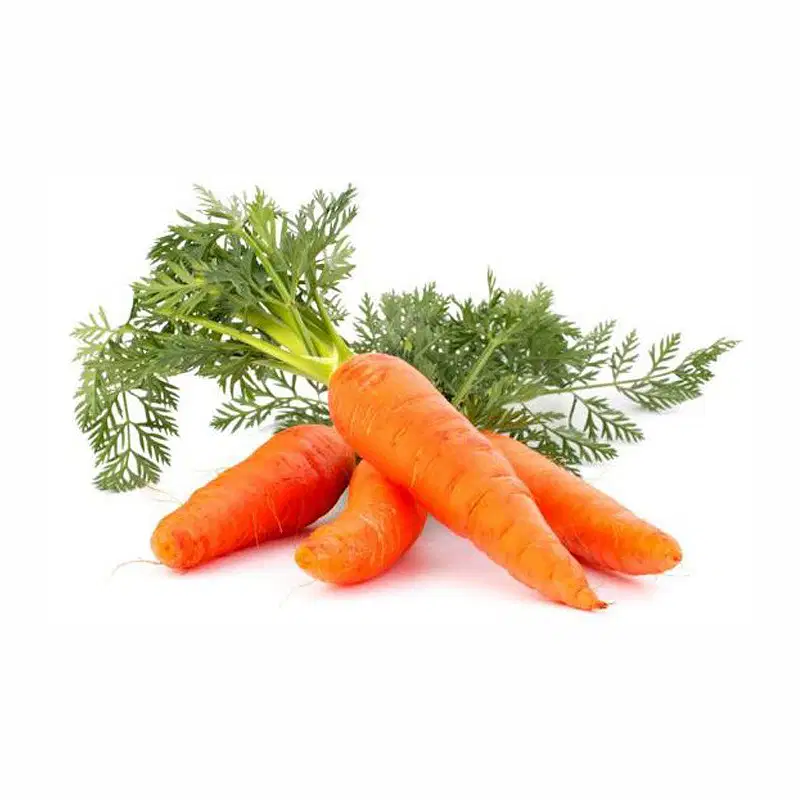
Vegetables
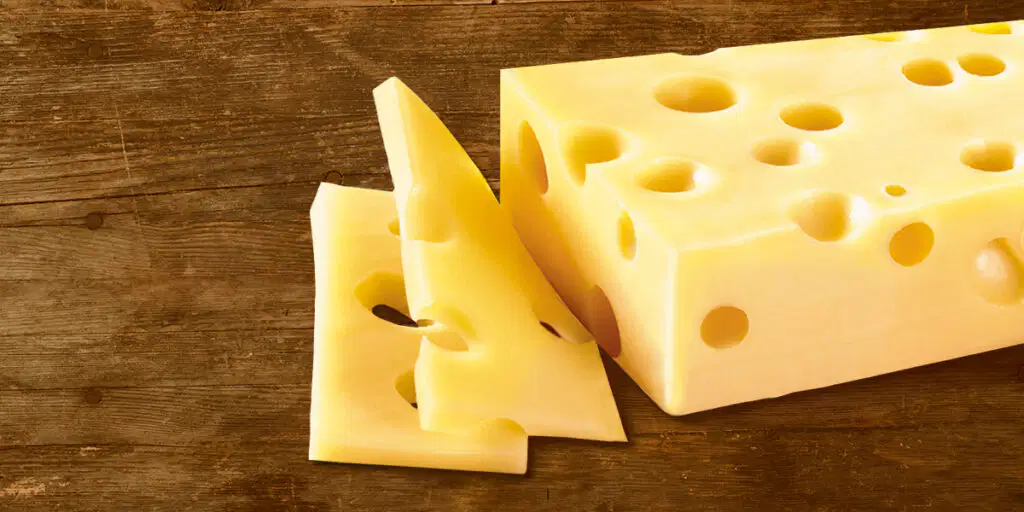
Milk products
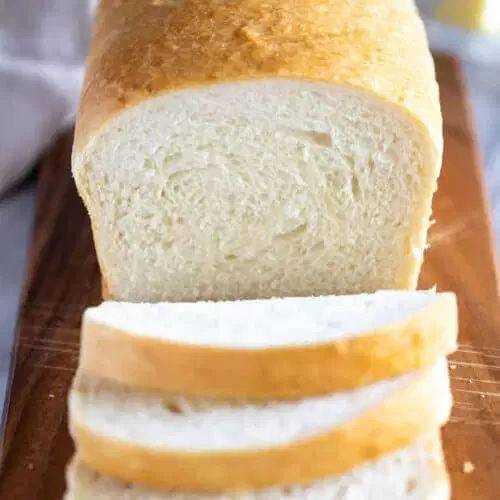
Grains
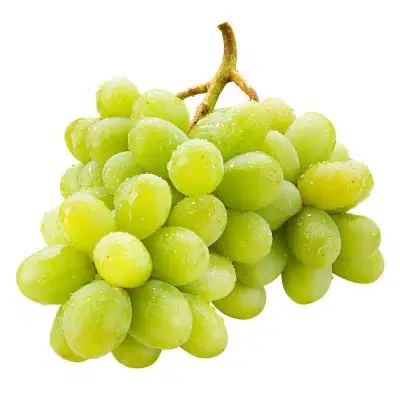
Fruits

