
 Worksheets
United States Imperialism Part 2
Total questions: 13
Worksheet time: 7mins
Law which ended military rule in Puerto Rico
Jones Act
Foraker Act
Treaty of Paris
Organic Act of 1900
Provisions in the Cuban constitution that gave the United States broad rights in that country
The Monroe Doctrine
The Treaty of Paris
The Treaty of Guadalupe Hidalgo
Platt Amendement
A country that is partly controlled by another, stronger country
Protectorate
Autonomous Region
Dominion
Town
Filipino leader for independence
Ferdinand Marcos
Corazon Aquino
Emilio Aguinaldo
Jose Rizal
U.S. secretary of state
John Hay
William McKinley
Theodore Roosevelt
Woodrow Wilson

Message sent by John Hay to other countries to protect U.S. trading rights in China
Monroe Doctrine
Open Door notes
Roosevelt Corollary
Treaty of Versailles
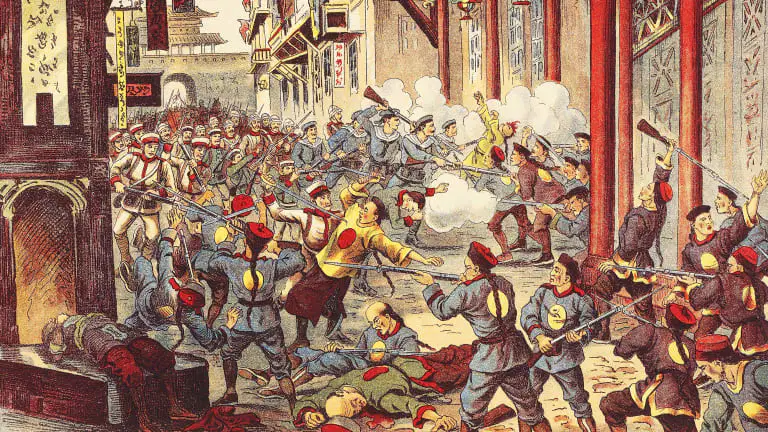
Chinese rebellion against Western influence, 1900
Taiping Rebellion
Opium War
Boxer Rebellion
Cultural Revolution

A channel across Central America, between the Atlantic and Pacific Oceans, opened in 1914
Panama Canal
Suez Canal
Corinth Canal
Kiel Canal
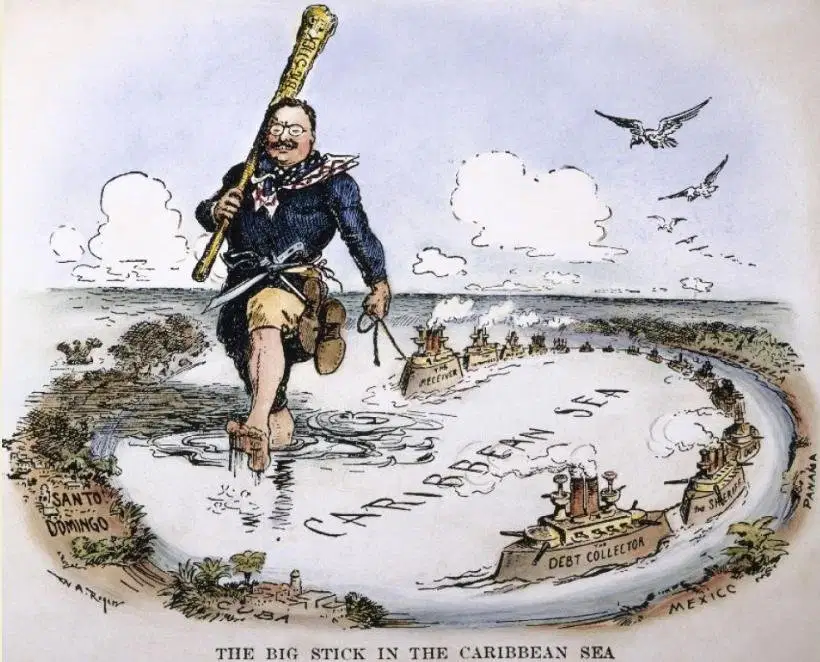
Roosevelt’s 1904 extension of the Monroe Doctrine, stating
that the United States has the right to protect its economic interests in South and
Central America by using military force
Truman Doctrine
Marshall Plan
Reagan Doctrine
Roosevelt
Corollary
The policy of intervening in other countries to protect U.S. business interests
Dollar Diplomacy
The Monroe Doctrine
The Marshall Plan
The Cold War

Mexican revolutionary
Emiliano Zapata
Pancho Villa
Che Guevara
Fidel Castro
Mexican rebel
Pancho Villa
Che Guevara
Emiliano Zapata
Francisco Madero
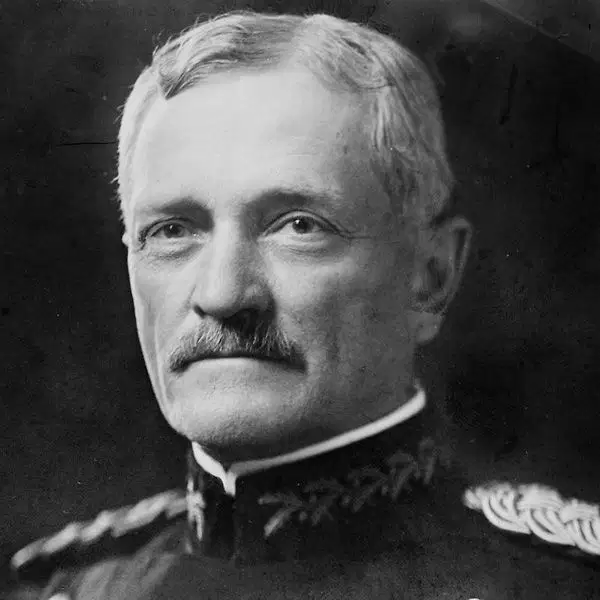
U.S. general who led troops to capture Villa
John J. Pershing
Douglas MacArthur
George S. Patton
Dwight D. Eisenhower

