
 Worksheets
Unit 6 Vocabulary TCAP PREP
Total questions: 21
Worksheet time: 11mins

What is this an example of?
adaptations
snail
fossil record
fossil
history of life as documented by fossils, the remains or imprints of organisms from earlier geological periods preserved in sedimentary rock.
adaptations
natural selection
fossil record
fossils
This is an example of:
fossils
fossil record
adaptations
natural selection
:the variety of life in the world or in a particular habitat or ecosystem.
adaptations
natural selection
biodiversity
biology
the remains or impression of a prehistoric organism preserved in petrified form or as a mold or cast in rock
fossils
fossil record
adaptations
natural selection

This picture is an example of:
natural selection
biodiversity
adaptations
fossils
(of a species, family, or other group of animals or plants) having no living members; no longer in existence.
Extinct
Extant
Alive
Adaptations
a change or the process of change by which an organism or species becomes better suited to its environment.
extinct
adaptations
biodiversity
fossils
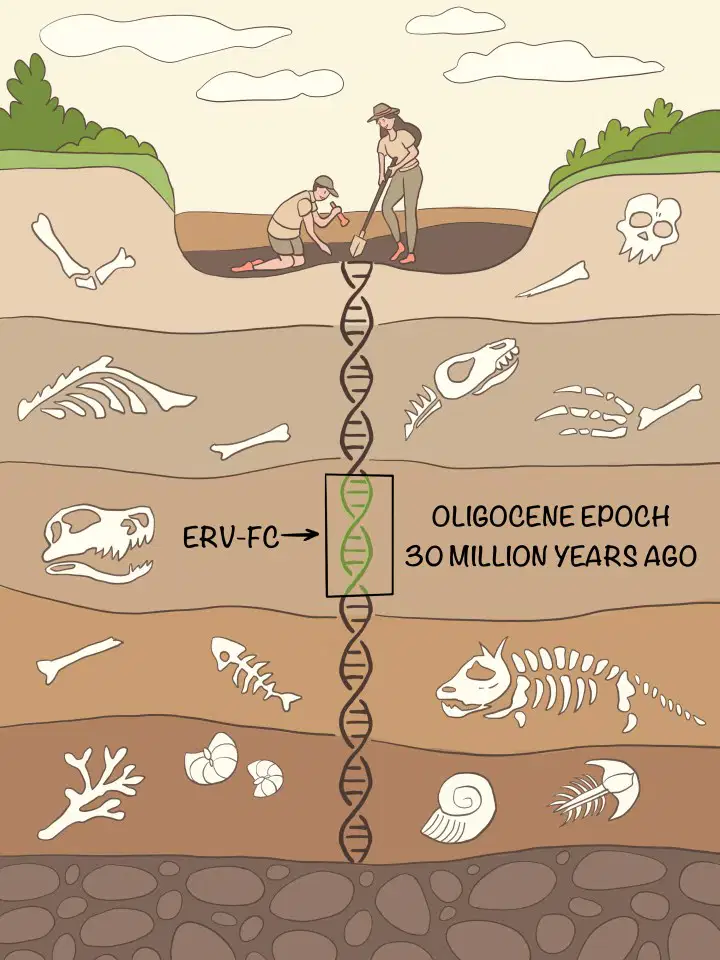
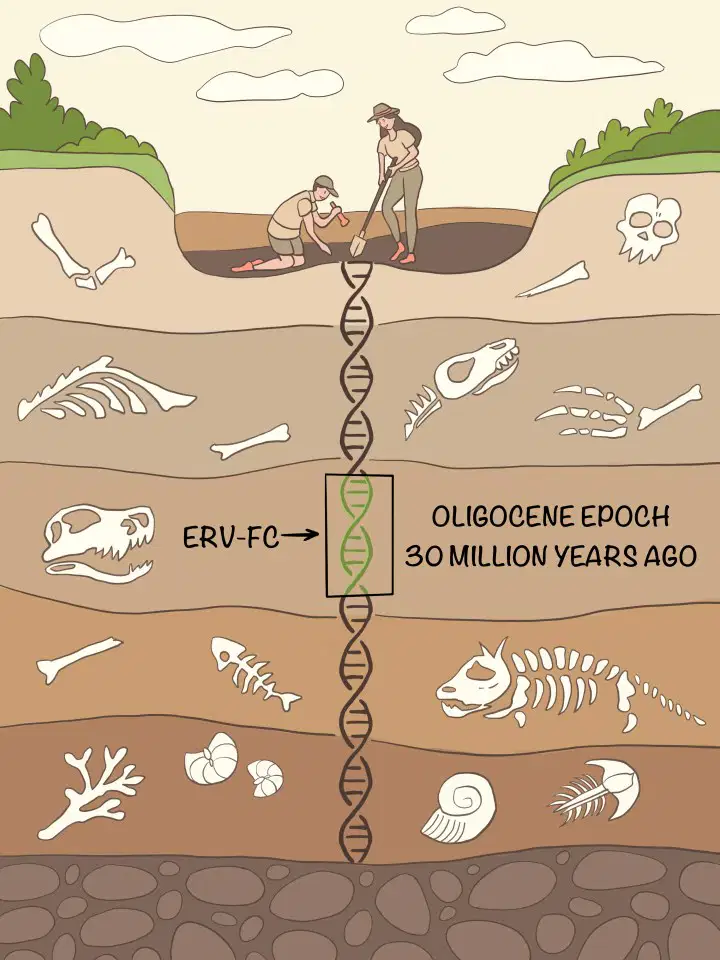
Which rock layer is the oldest?
the middle layer
the bottom layer
the top layer
the grassy layer
Anatomical means relating to the structure of the bodies of people and animals
anatomical structures
homologous structures
anatomy
structures
means having descended from one ancestor.
fossils
extinct
extant
common ancestry

Which organism is the common ancestor?
Salamander
Human
Fish
Mouse
a taxonomic group of any rank, such as a species, family, or class
adaptations
taxa
taxi
taxidermy
the science that deals with the earth's physical structure and substance, its history, and the processes that act on it.
Paleontology
Geology
Archeology
Biology
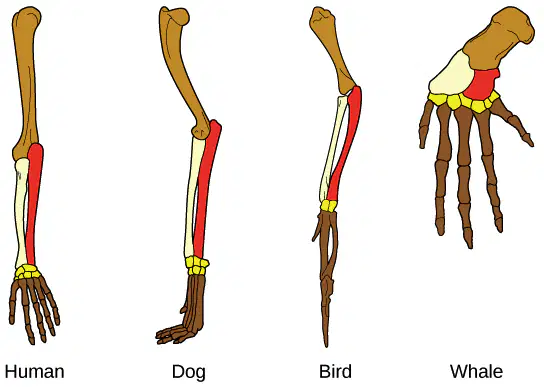
What are photos like this evidence of?
adaptations
common ancestry
natural selection
biodiversity
the branch of science concerned with fossil animals and plants.
Archeology
Paleontology
Biology
Zoology
the comparative study of the body structures of different species of animals in order to understand the adaptive changes they have.
Anatomical Structure
Anatomy and physiology
Kinesiology
Comparative Anatomy
the set of observable characteristics of an individual resulting from the interaction of its genotype with the environment.
Phenotypes
Genotypes
Physiology
Anatomy

Which two are the closest related?
Fish
Amphibians
Rodents
Primates
the process through which species adapt to their environments. It is the engine that drives evolution.
Natural Selection
Adaptation
Diversity
Environmental Science
because people (instead of nature) select which organisms get to reproduce.
Natural Selection
Natural Dissection
Artificial Selection
Genetic Mutation

