
 Worksheets
Biomolecules and their Functions
Total questions: 18
Worksheet time: 26mins
Which of the following macromolecules are a prominent part of animal tissues that function in insulation, helping animals conserve heat?
(¿Cuáles de las siguientes macromoléculas son una parte importante de los tejidos animales que funcionan como aislantes y ayudan a los animales a conservar el calor?)
Carbohydrates
Lipids
Proteins
Nucleic acids

An advertisement for a health supplement for dogs claims to build lean muscle and strengthen tendons and ligaments, as well as provide energy. Which two biomolecules must the supplement contain to provide these benefits?
Un anuncio de un suplemento de salud para perros afirma que desarrolla músculo magro y fortalece los tendones y ligamentos, además de proporcionar energía. ¿Qué dos biomoléculas debe contener el suplemento para brindar estos beneficios?
Carbohydrates and lipids
Proteins and carbohydrates
Nucleic acids and carbohydrates
Lipids and nucleic acids
Carbohydrates are more easily metabolized than lipids. However, on a gram-for-gram basis lipids provide cells with more —(Los carbohidratos se metabolizan más fácilmente que los lípidos. Sin embargo, los lípidos gramo por gramo proporcionan a las células más:)
energy (energía)
structure (estructura)
nitrogen (nitrógeno)
proteins (proteínas)
The molecules whose primary function is providing rapidly available energy for living things are
(Las moléculas cuya función principal es proporcionar energía rápidamente disponible para los seres vivos son)
proteins
carbohydrates
lipids
amino acids
All of the following are functions of proteins EXCEPT FOR
(Todas las siguientes son funciones de proteínas, EXCEPTO)
provides building blocks for tissues (proporciona bloques de construcción para tejidos)
transports other molecules (transporta otras moléculas)
regulates certain reactions in the human body (regula ciertas reacciones en el cuerpo humano)
stores genetic information (almacena información genética)
Genetic information can be collected and analyzed in a process called electrophoresis. A student that has collected this information is looking at which of the following organic molecules.
(La información genética se puede recopilar y analizar en un proceso llamado electroforesis. Un estudiante que ha recopilado esta información está analizando cuál de las siguientes moléculas orgánicas.)
DNA
amino acids
lipids
proteins
4. Which biomolecules transport oxygen and other substances and also form part of most organelles?
¿Qué biomoléculas transportan oxígeno y otras sustancias y también forman parte de la mayoría de los orgánulos?
Lipids
Carbohydrates
Proteins
Nucleic Acids
Which biomolecules contains your genetic information?
¿Qué biomoléculas contienen tu información genética?
Proteins
Lipids
Carbohydrates
Nucleic Acids
Just under an orca's skin lies a thick layer of blubber. Blubber helps insulate a whale from heat loss. Based on this information, which biomolecule is blubber primarily made of?
Justo debajo de la piel de una orca se encuentra una gruesa capa de grasa. La grasa ayuda a aislar a la ballena de la pérdida de calor. Con base en esta información, ¿de qué biomolécula está compuesta principalmente la grasa?
Lipids
Nucleic Acids
Proteins
Carbohydrates
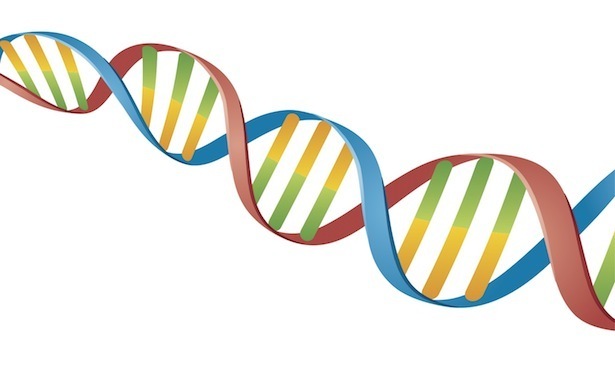
What is the function of a nucleic acid?
¿Cuál es la función de un ácido nucleico?
Stores genetic information
Almacena información genética
Stores energy
Almacena energía
Quick source of energy
Rápida fuente de energía.
Builds structures
Construye estructuras
Which biomolecule contains Deoxyribonucleic acid; a sequence of bases that makes hereditary code; Ribonucleic acid; translate hereditary code into proteins that determine how the cell will function under various conditions; provides storage and retrieval of information; encode genes, gene expression, helps make proteins
(Qué biomolécula contiene ácido desoxirribonucleico; una secuencia de bases que hace código hereditario; Ácido ribonucleico; traducir el código hereditario en proteínas que determinan cómo funcionará la célula en diversas condiciones; proporciona almacenamiento y recuperación de información; codifica genes, expresión génica, ayuda a producir proteínas)
Nucleic Acid
Lipid
Carbohydrate
Protein
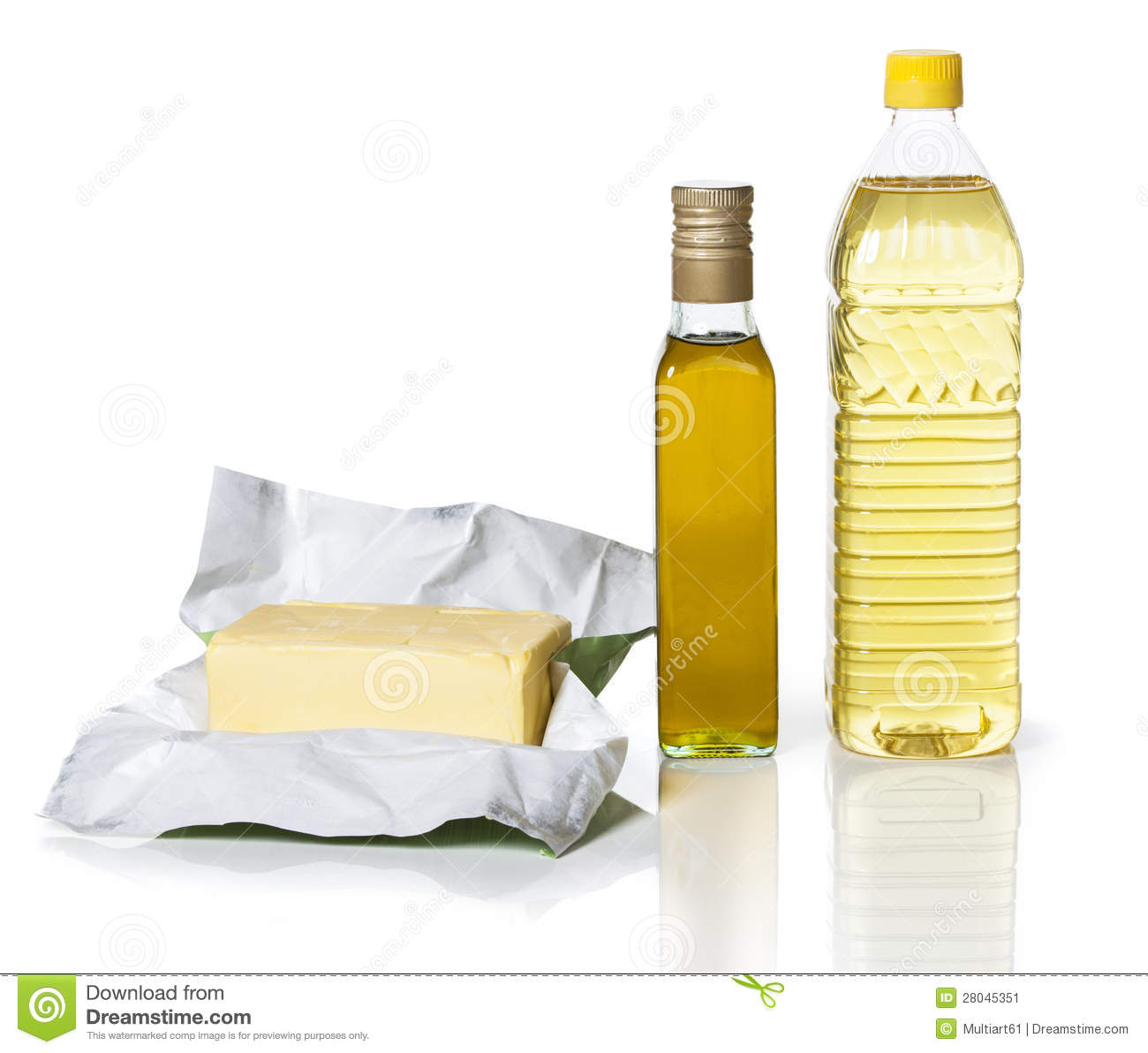
Which biomolecule is found in fats, oils, and waxes and is a source of long-term energy?
¿Qué biomolécula se encuentra en grasas, aceites y ceras y es una fuente de energía a largo plazo?
Proteins
Nucleic Acid
Lipids
Carbohydrate
You need a steady supply of amino acids in your diet to maintain a healthy body. In order to meet this need, you should make sure you eat enough of which of these substances?
Necesita un suministro constante de aminoácidos en su dieta para mantener un cuerpo saludable. Para satisfacer esta necesidad, debe asegurarse de comer lo suficiente ¿de cuál de estas sustancias?
Carboyhdrates
Proteins
Nucleic Acids
Lipids
Which biomolecule helps form muscles?
¿Qué biomolécula ayuda a formar los músculos?
Nucleic Acid
Carbohydrate
Protein
Lipids
Which organic molecule is paired with its function?
¿Qué molécula orgánica está emparejada con su función?
nucleic acid : to store energy
ácido nucleico: para almacenar energía
proteins : to provide insulation
proteínas: para proporcionar aislamiento
lipids : to regulate metabolic
lípidos: para regular el metabolismo
carbohydrate : to provide quick–release energy
carbohidrato: para proporcionar energía de liberación rápida
One way in which genetically modified mice are developed is by injecting the gene sequence for green fluorescent protein(GFP) into mice embryos at a very early stage of development. The injection typically contains genetic material and a biomolecule that catalyzes the reaction.
Which statement best classifies the biomolecules responsible for the development of these genetically modified mice?
Lipids are responsible for carrying the genetic material and carbohydrates are responsible for catalyzing the reaction
Carbohydrates are responsible for carrying the genetic material and nucleic acids are responsible for catalyzing the reaction
Proteins are responsible for carrying the genetic material and lipids are responsible for catalyzing the reaction
Nucleic acids are responsible for carrying genetic material and proteins are responsible for catalyzing the reaction

A student is completing this Venn Diagram that compares carbohydrates and lipids. Which description belongs in the shaded area of the Venn diagram/
Change the shape in order to function properly
Act as insulation to reduce heat loss
Provide organisms with energy
Encode genetic information

A
B
C
D

