
NEW
Font size
 Worksheets
Chemistry Unit Vocabulary
Total questions: 28
Worksheet time: 14mins
The branch of science that investigates the composition and properties of matter and how they interact.
biology
chemistry
physics
What everything around you is made of.
matter
length
volume
hypothesis

An educated guess or proposed explanation for an occurrence that will undergo further investigation and testing.
experiment
conclusion
observation
hypothesis
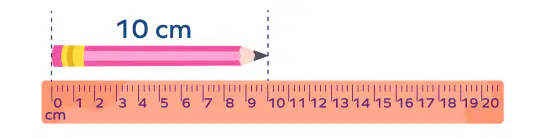
The measurement of something from end to end.
mass
weight
volume
length
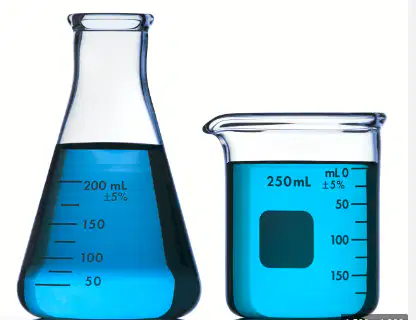
The measurement of how much space an object occupies.
mass
weight
volume
length

The heaviness of an object, dependent upon the force of gravity pulling down on it.
mass
weight
volume
length
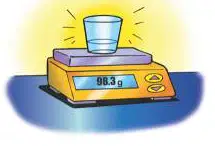
How much matter something has.
mass
weight
volume
length
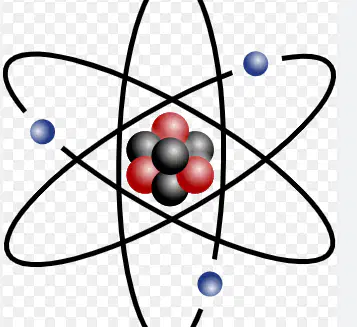
The building blocks of matter.
atom
element
molecule
chemical
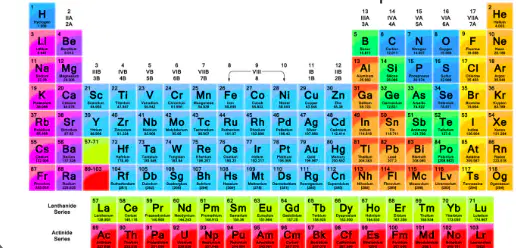
A specific type of atom.
atom
element
molecule
chemical
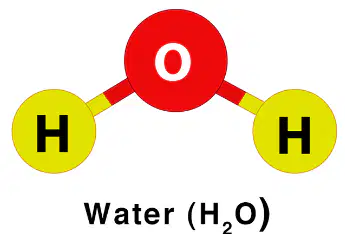
A substance formed from the joining of two or more atoms.
atom
element
molecule
chemical
A substance that is made of atoms or molecules which cannot be broken down without changing it into something else.
atom
element
molecule
chemical
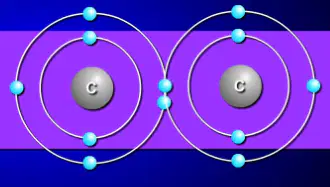
A lasting attraction between atoms that forms a molecule or a chemical compound.
chemical bonding
physical property
chemical property
solubility
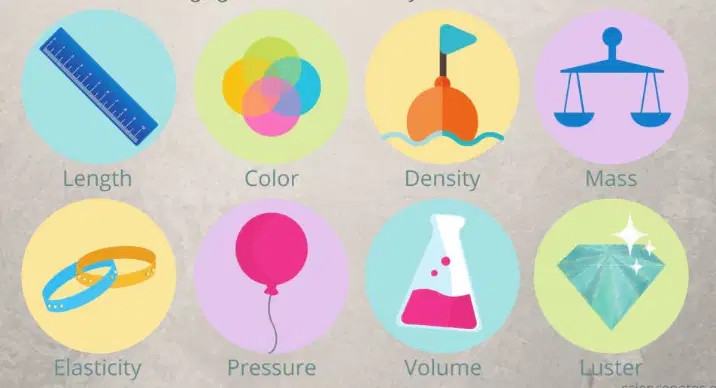
A characteristic of a substance that can be observed without changing its chemical makeup.
physical property
chemical property
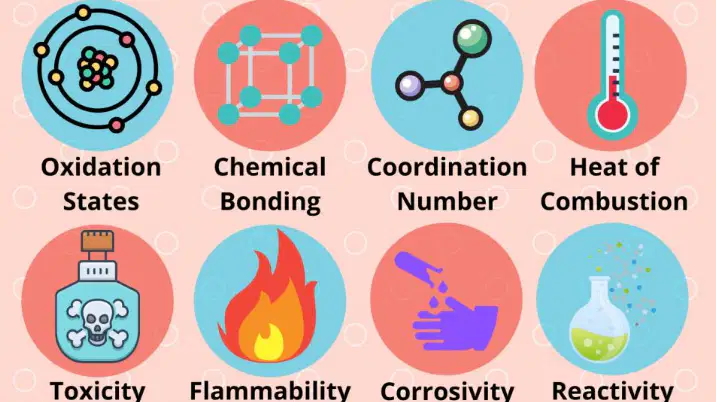
A characteristic of a substance that can only be observed through a chemical change.
physical property
chemical property
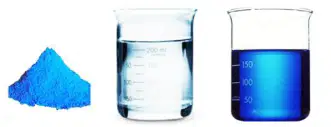
How well a substance will dissolve into another substance.
chemical bonding
solubility
density

How compact a solid, liquid, or gas is; it equals mass divided by volume.
chemical bonding
solubility
density
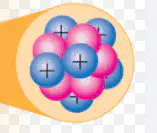
The central part of an atom that contains neutrons and protons.
nucleus
proton
neutron
electron
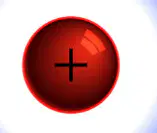
A positively charged particle found in the nucleus of an atom.
nucleus
proton
neutron
electron
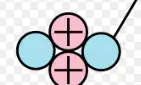
A particle with no charge found in the nucleus of an atom.
nucleus
proton
neutron
electron
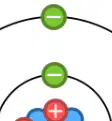
A negatively charged particle found in the area surrounding the nucleus of an atom.
nucleus
proton
neutron
electron
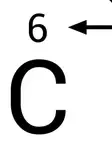
The number of protons of an element that identifies the element and determines its place on the periodic table.
Atomic Number
Atomic Mass
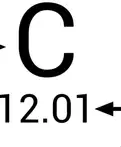
The weight of the number of protons plus the number of neutrons of an atom.
Atomic Number
Atomic Mass
A different form of an element that has the same number of protons but a different number of neutrons.
Isotope
Ion
An atom that has either lost or gained electrons, giving it an overall positive or negative charge.
Isotope
Ion
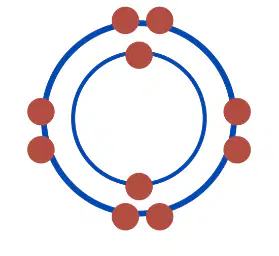
When atoms form chemical bonds, they want to fill each of their electron shells to a total of eight electrons to be stable.
quadruple rule
triple rule
octet rule

A chemical bond formed between atoms when one atom loses electrons and the other atom gains electrons, forming a positively or negatively charged ion.
Ionic Bond
Covalent Bond
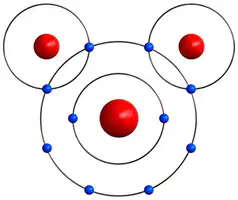
A chemical bond formed when atoms share electrons, fulfilling the octet rule and achieving stability.
Ionic Bond
Covalent Bond
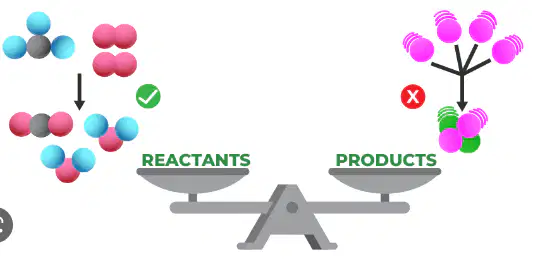
Matter cannot be created nor destroyed; in a chemical reaction, the total mass of the reactants will equal the total mass of the products.
Law of Conservation of Mass
Universal Law of Gravitation
Newton's Laws of Motion

