
 Worksheets
The Exposure Triangle
Total questions: 15
Worksheet time: 8mins

Does this photo have low (baja) aperture or high (alta) aperture?
HIGH F-Stop #
Alta apertura
LOW F-Stop #
Baja apertura
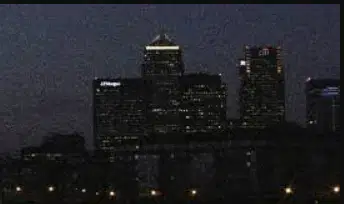
Does this photo have LOW ISO or HIGH ISO?
HIGH ISO
ISO alta
LOW ISO
ISO baja
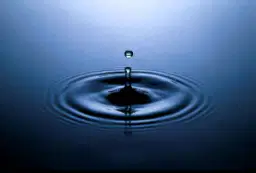
Was this photo taken with a HIGH shutter speed or a LOW shutter speed?
velocidad de obturación alta o baja?
HIGH Shutter Speed
LOW Shutter Speed
Which of these shows an example of ISO 100?


How does Aperture affect exposure?
¿Cómo afecta la apertura a la exposición?
It affects the brightness of an image
Afecta al brillo.
Affects the depth of field of an image
Afecta al desenfoque.
All of the above
Todas
What is Shutter Speed?
¿Qué es la "Shutter Speed"? (velocidad de obturación)
The sensitivity of your film or censor
La sensibilidad a la luz.
The amount of light that reaches your censor
La luz que atraviesa la lente.
The exposure triangle
El triángulo de exposición
The length of time the camera shutter is open.
El tiempo que el objetivo de la cámara está abierto.
Long shutter speeds can do what?
¿Qué provocan las velocidades de obturación más largas?
Create a motion blur
Desenfoca la imagen.
Make you late for school
Hacerte llegar tarde.
Freeze motion
Detener el movimiento.
Make your photo noisy
Causa granulada
What aperture lets more light in?
¿Qué F-Stop deja pasar más luz?
f4.5
f10
If you are shooting a fast moving sporting event, what shutter speed should you use?
¿Qué velocidad de obturación se debe utilizar en un partido deportivo?
1/60
1/125
1/500
1'
When you change the shutter speed from 1/2000 to 1/60, you are:
¿Cuál es la diferencia entre 1/2000 y 1/60?
increasing the amount of time the shutter stays open.
estás aumentando el tiempo que el obturador permanece abierto.
decreasing the size of the aperture.
estás disminuyendo el tamaño de la apertura.
decreasing the amount of time the shutter stays open.
estás disminuyendo la cantidad de tiempo que el obturador permanece abierto.
increasing the iso.
estás aumentando el ISO.
I don't like how much noise (or grain) is in my image. What should I do to correct it?
Mi foto es muy granulado. ¿Cómo lo arreglo?
Raise your shutter speed
Aumenta la velocidad de obturación.
Lower your ISO
disminuir tu iso.
Lower your aperture
baja tu apertura.
Raise your ISO
aumente tu iso
If you are in the auditorium and the lights are extremely dim, what kind of settings would be best to use for your ISO?
Estás en el auditorio y está muy oscuro. ¿Qué ajuste ISO utilizas?
100
200
800
1600
Which mode would I be more likely to use if I were photographing a sporting event?
Shutter Priority
Aperture Priority
Which mode would I be more likely to use if I were photographing a portrait?
Shutter Priority
Aperture Priority

The AF & MF function on the camera lens stands for:
Auto Forward & Manual Forward
Auto Focus & Manual Focus
Auto Finder & Manual Finder

