
 Worksheets
SPA3 - MUSIC2
Total questions: 93
Worksheet time: 47mins

What kind of voice shows in the picture?
Speaking voice
Singing voice

What kind of voice shows in the picture?
Speaking voice
Singing voice
_______ is produced when something vibrates or moves back and forth.
Energy
Sound
Force
Some vibrations are strong while others are weak.
True
False
You can replicate, imitate or respond to different sources of sound with body movements.
True
False
Sources of sound can be ________________ and _______________
natural only
artificial only
both natural and artificial
SOURCE OF SOUND


Wind blowing
Natural Sound
Man-made sound

Natural Sound
Man-made sound

cymbals
natural
artificial or human made
musical instrument
________ is the act of expressing sounds through vocal music and makes musical sounds with the voice.
Singing
Dancing
Speaking
Which element of music refers to the sound quality of an instrument or voice?
Texture
Timbre
Your voice can produce different interesting sounds.
True
False
Some voices can be light, heavy, tiny, big, high, low, shrill. nasal. hoarse, etc.
True
False
It is singing with a light and flutelike quality.
Head tone singing
Speaking
Singing Voice
Diaphragm Singing
It is singing that is free and easy, not forced as if projecting from the "head."
Head tone singing
Speaking
Singing Voice
Diaphragm Singing
Good voice production can be achieved by sitting slouching or lazily and breathing fast.
True
False
Some voices can be light, heavy, tiny, big, high, low, shrill. nasal. hoarse, etc.
True
False
___________ is a style of proper breathing in which air fills the area in the diaphragm and released slowly as you sing.
Head tone singing
Speaking
Singing Voice
Diaphragm Singing
The most common sound you make every day is your voice.
True
False
Our speaking voice is unlimited that is why it is okay not to take care of it.
True
False
Try not to overuse your voice. Do not talk above loud background noise.
True
False
We must practice good breathing techniques when singing or talking.
True
False
Speaking and singing are both qualities of sound.
True
False
is expressing through sounds and words only without music.
Speaking
Singing
Jumping
Musical instruments give life to a composition
True
False

Type of musical instruments where strings need to be plucked and uses bow to produce sound.
String instruments
Brasswind intruments
Woodwind instruments
Percussion instruments

These are wind instruments that have a cup-shaped mouthpiece. The player blows air into the mouthpiece to produce sound.
String instruments
Brasswind intruments
Woodwind instruments
Percussion instruments
Some of the examples of these instruments are guitar, harp and banjo.
String instruments
Brasswind intruments
Woodwind instruments
Percussion instruments

Some of the examples of these instruments are Tuba, Trumpet, Trombone and French horn
String instruments
Brasswind intruments
Woodwind instruments
Percussion instruments
Some of the examples of these instruments are Tuba, Trumpet, Trombone and French horn
String instruments
Brasswind intruments
Woodwind instruments
Percussion instruments
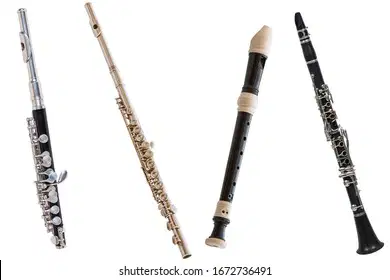
These are wind instruments too where sound is produced when the player blows air across a hole on the side.
String instruments
Brasswind intruments
Woodwind instruments
Percussion instruments
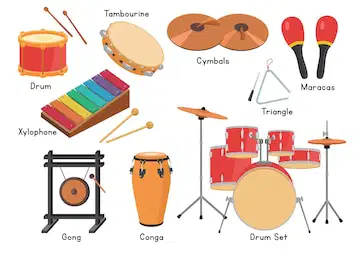
These are musical instruments that produce sound by beating, hitting, or striking.
String instruments
Brasswind intruments
Woodwind instruments
Percussion instruments
These are musical instruments that produce sound by shaking them. Examples are maracas and tambourine
String instruments
Brasswind intruments
Woodwind instruments
Percussion instruments
Musical instruments add life and beauty to a song.
True
False
Musical instruments are grouped according to how they are played.
True
False
The volume of, note or sound in music is called _________
dynamics
sound
texture
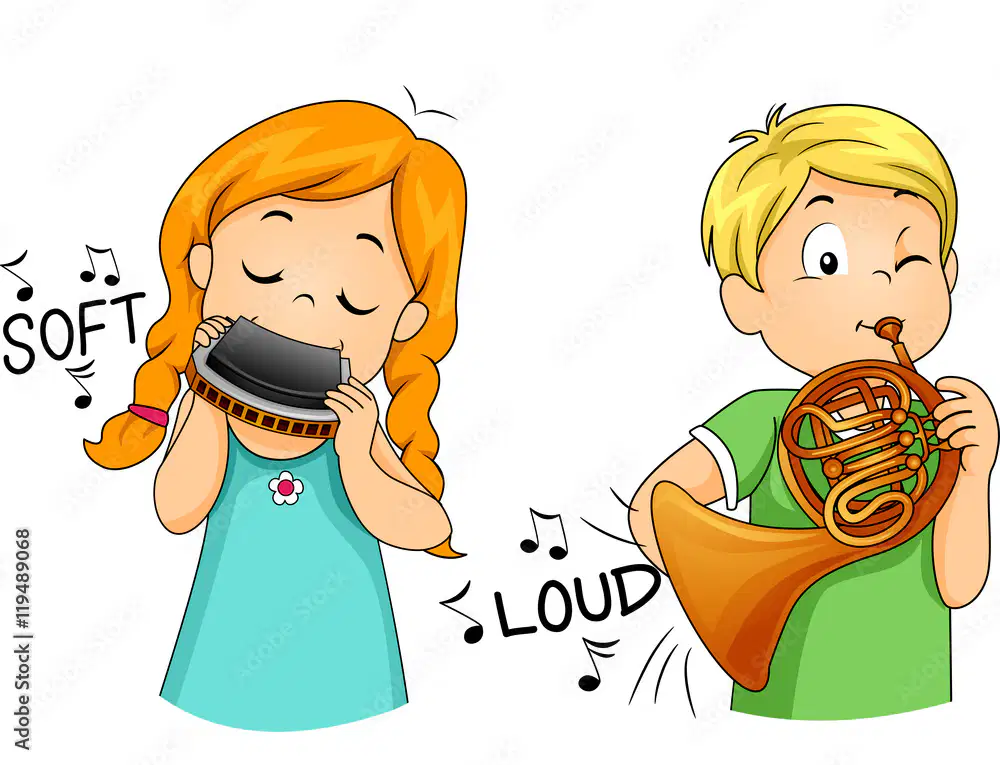
It refers to the sound volume in music. It describes how loud or how quiet the music is.
dynamics
sound
texture
It is the component, of music that tells how a song is to be sung or played. Music writers or composers use to clearly bring out the feelings and emotions of a song.
dynamics
sound
texture
Sound volume is the loudness or softness of tones.
True
False
Loud, louder, fast and faster are volume variations in dynamics.
True
False
Loud, louder, soft and softer are volume variations. These are used to enhance poetry, chants, drama, and musical stories.
True
False

soft
loud

loud
soft

What is the name of that?
Harmonica
Guitar
Tuba
Violin

What is the name of that?
Drums
Guitar
Tambourine
Harp

What is the name of that?
Harp
Harmonica
Tambourine
Tuba

What is the name of that?
Tuba
Harp
Piano
Harmonica

What is the name of that?
Trumpet
Harmonica
Harp
Flute

The clarinet is considered a
woodwind instrument
brass instrument
string instrument
percussion instrument

The trombone is categorized as _______
string instrument
woodwind instrument
brasswind instrument
percussion instrument

The xylophone is categorized as _______
string instrument
woodwind instrument
brasswind instrument
percussion instrument

What is the name of that?
Trumpet
Piano
Drums
Harp

What is the name of that?
Accordion
Tuba
Piano
Flute

What is the name of that?
Drums
Tambourine
Recorder
Flute

What is the name of that?
Tuba
Trumpet
Tambourine
Piano

What name should be chosen for these instruments?
snap snaps
bells
castanets

What are these instruments called?
maracas
tambourines
rhythm sticks

What is the name of the music instrument that is shown?
block
triangle
shape instrument

Identify the NAME of the musical instrument shown in the picture
Harp
Violin
Clarinet
What do you call the musical instruments that produce sounds through vibrations?
percussion instruments
string instrument
wind instrument

What is this?
Violin
Cello
Guitar
Banjo

What is this?
Violin
Cello
Guitar
Banjo

What is this?
Harmonica
Kalimba
Clarinet
Flute

What is this?
Saxophone
Trumpet
Trombone
Xylophone

What is this?
Saxophone
Trumpet
Trombone
French horn
The unique quality of sound that makes a voice, an instrument, or another sound different from one another. It is sometimes called tone color.
Timbre
Dynamics
Texture
Timbre makes a human voice different from one another. It makes one's voice sets apart from other people.


Timbre of a human voice makes it easy for one to identify someone
by just listening to them.
Timbre of a human voice can described as dark or light and thick or thin.
The FEMALE voice is darker and thicker that of a MALE voice.
The MALE voice is darker and thicker than that of a FEMALE voice.
In the principle of TIMBRE, children usually have lighter and thinner voices than adults.
In the principle of TIMBRE, children usually have lighter and thinner voices than adults.
In the principle of TIMBRE, it makes musical sound different from one another even if they have the same pitch and loudness.
The tone or sound quality of a PIANO is different from a GUITAR even if they have the same pitch and loudness.
Violin, guitar, flute and clarinet makes high and bright sound.
cello, bass, drums and tuba make low, heavy and thick sounds.
The TIMBRE or quality of sound that a musical instruments makes depends on its size and features.
A bass drum is larger than a snare drum so it produces lower and thicker sound than a snare drum.
Brasswind are wind instruments that have a cup-shaped mouthpiece. The player blows air into the mouthpiece (FRONT) to produce sound.
True
False
Woodwind instruments produces sound when the player blows air across a hole on the side (Not in front).
True
False
Examples of Woodwind instruments are Trumpet, Trombone, Tuba and French Horn.
True
False
Examples of Woodwind instruments are Flute, Oboe, Clarinet and Bassoon produces sound when the player blows air across a hole on the side (Not in front).
True
False
Singing is the act of expressing sounds through vocal music.
We use our heads when we do the proper breath control.
Timbre is the unique quality of sound that makes a voice, an instrument, or another sound different from one another.
In music, the loudness and the softness of sounds are called dynamics.
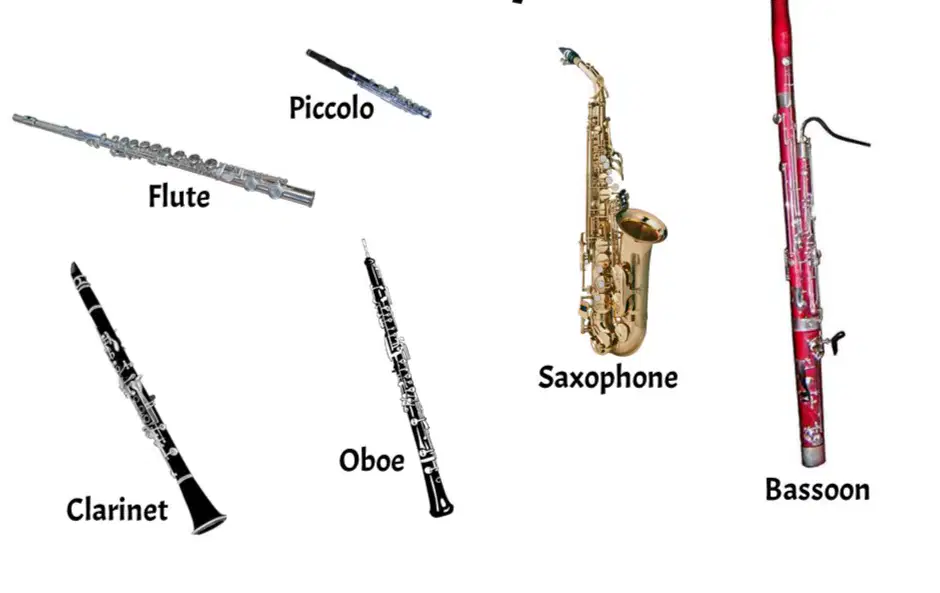
Flutes, oboes, clarinets, and bassoons are examples of string instruments.

The guitar is an example of a ________
String Instrument
Brasswind Instrument
Woodwind Instrument
Percussion Instrument
The saxophone is an example of a ________
String
Instrument
Brasswind Instrument
Woodwind Instrument
Percussion Instrument
The flute is an example of a ________
String
Instrument
Brasswind Instrument
Woodwind Instrument
Percussion Instrument
The maracas is an example of a _____
String
Instrument
Brasswind Instrument
Woodwind Instrument
Percussion Instrument

