
 Worksheets
Typography
Total questions: 30
Worksheet time: 19mins

Typography is the _____ and process of arranging ____ on a page.
art; type
technique; objects
size; font
flow; letters
2. The word _______ is sometimes used interchangeably with the word typeface.
font
term
word
type

True
False


Sans Serif means no feet in Latin (French).


4. _____________ is a whole related group of type styles based on a typeface that include outlines, shaded, and decorated.
Type Family
Typefaces
Type Styles
Type Terms
8. Leading is
space between letters.
space between lines.
9. Kerning is
space between letters.
space between lines.
9. Tracking is
space between all letters.
space between two letters.
10. What is the difference between a serif and a sans serif font?
Serifs fonts have small lines attached to letters, whereas Sans Serif fonts do not have small lines attached to letters.
Serifs fonts do not have small lines attached to letters, whereas Sans Serif fonts have small lines attached to letters.
13. Times New Roman is an example of a ______ font.
Serif
San Serif
14. Arial is an example of a ______ font.
Serif
San Serif
Good typography is good user experience.
True
False
Which of the following is an acceptable font choice for a new branding project for a serious business?


Which of the following is an acceptable font choice for a children's project?
What is the maximum number of fonts for a design project?
5
4
3
2
Is white space your friend?
Yes
No
When working on a project, we can use fonts from the same family and still have contrast in our solutions.
False
True
What is typography most concerned about?
making text legible and visually appealing
ensuring the design brief is met
focusing on the designer's aesthetics
making layout user-friendly
Sans-serif , serif and decorative are all the same types of font.
TRUE
FALSE
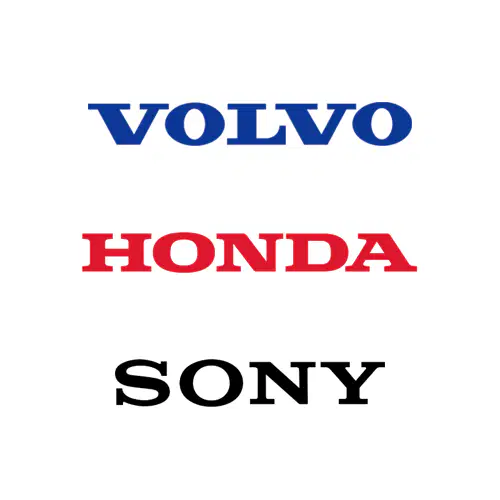
Sony, Honda and Volvo are examples of brand that using slab serif font.
TRUE
FALSE

Level 1: body text Level 2: subheadings Level 3: headings
Level 1: headings Level 2: subheadings Level 3: body text
Level 1: subheadings Level 2: headings Level 3: body text

