
 Worksheets
Cushing HS Band Quiz
Total questions: 84
Worksheet time: 42mins
Which symbol receives NO SOUND in your music?


What is the name of this note?
Whote
Note
Half
Note
Quarter
Note
Eighth
Note
Which answer is represents a whole rest?


How many beats does this note get?
4 beats
2 beats
1 beat
1/2 beat

What is the name of this note?
Eighth note
quarter note
whole note
half note

What type of rest is this?
Whole Rest
Half Rest
Quarter Rest
8th Rest
16th Rest

What is the name of this note?
Whote
Note
Half
Note
Quarter
Note
Eighth
Note

How many beats does this note get?
4 beats
2 beats
1 beat
1/2 beat

What type of rest is this?
Whole Rest
Half Rest
Quarter Rest
8th Rest
16th Rest

What type of rest is this?
Whole Rest
Half Rest
Quarter Rest
8th Rest
16th Rest
Choose the Quarter Note


How many counts does a WHOLE NOTE get?
1
2
3
4
Choose the Whole Note
Choose the Half Note
How many beats does an eighth note last?
1
1/2
2
3
4
Choose the 8th Note
How many beats does a whole note last?
1
2
3
4
How many beats does a quarter note last?
1
2
3
4
What does crescendo mean?
to gradually get softer
to get slower
To gradually get louder
to get faster
How many beats does a half note last?
1
1/2
2
3
4

piano
forte
mezzo forte
fortissimo
what is the meaning of a dynamic
how soft or loud you sing or play
how loud or soft you hear
how LOUD you sing
how soft you sing

forte
mezzo forte
pianissimo
mezzo piano

piano
mezzo forte
forte

messo piano
mezzo piano
messo forte
mezzo forte
forte means
loud
soft
very loud
medium loud
piano
soft
loud
very soft
quiet

What does a Dot do to a note?
It subtracts half of the original value
It adds half of the original value
it adds the same note twice
It multiplies half of the original value

How many beats does the dotted whole note get?
2
4
6
8

How many beats does the dotted quarter note get?
1/2
1
1.5
2

How many beats does the dotted half note get?
1
2
3
4
Articulation (in music) involves:
How fast or slow the notes are played
How individual notes are sounded, started, sustained, modified, etc.
How to pronounce the title of the song
How well a group plays in tune

Name the articulation indicated for the notes in the example.
Accent
Slur
Fermata
Trill

Name the articulation indicated for the notes in the example.
Tenuto
Slur
Staccato
Accent

Name the articulation indicated for the notes in the example.
Tie
Slur
Marcato
Staccato

Name the articulation indicated for the final note.
Fermata
Crescendo
Diminuendo
Tenuto
A staccato note is:
held for its full time value or slightly more.
performed louder than the unmarked notes around it.
played smoothly and connected to the other notes.
performed detached or separated from the other notes.
A note marked with an accent is:
played smoothly and connected to the other notes.
performed detached or separated from the other notes.
held for its full time value or slightly more.
performed louder than the unmarked notes around it.
A slur indicates that notes are to be:
played smoothly and connected.
performed louder.
performed detached or separated.
performed faster.
A note marked with a fermata is:
performed detached or separated from the other notes
played smoothly and connected to the other notes.
performed louder than the unmarked notes around it.
sustained longer than the written note value.

Tells how many beats per measure and what type of note equals one beat
time signature
recitative
timbre/tone color
round (canon)

usually used for higher pitched voices or instruments
bass clef
decrescendo
crescendo
treble clef
main theme or part of a musical composition, the "tune"
harmony
melody
tempo
rhythm
degree of loudness and softness
decrescendo
variation
crescendo
dynamics
speed of the beat or pulse, often described using Italian terms
tempo
melody
theme
rondo

usually used for lower pitched voices or instruments
crescendo
treble clef
bass clef
decrescendo
Which one is the crescendo marking


What is the OPPOSITE of staccato?
Legato
Pizzacto
Ostinato
What does a Flat do to a note?
A flat raises the pitch by a 1/2 step.
A flat lowers the pitch by 1 step.
A flat lowers the pitch by 1/2 step.
A flat raises the pitch by 1 step.
What does a sharp do to a note?
A sharp raises the pitch by a half step.
A sharp raises the pitch by one step.
A sharp lowers the pitch by a half step.
Keeps the note the same pitch.
What does a natural sign do to a note?
A natural sign keeps all the sharps and flat notes in place.
A natural sign cancels out previous sharp and flat notes.

What is the name of this symbol?
Sharp
Flat
Natural

What is the name of this symbol?
Flat
Sharp
Natural

What is the name of this symbol?
Sharp
Flat
Natural

What does this symbol do to a pitch?
Lower the pitch by a half step.
Raises the pitch by a half step.
Cancels out a previous sharp or flat.

What does this symbol do to a pitch?
Raises the pitch by a half step.
Lowers the pitch by a half step.
Cancels out a previous sharp or flat.
An accidental remains in effect for...
all measures of the music
one measure only
two measures only


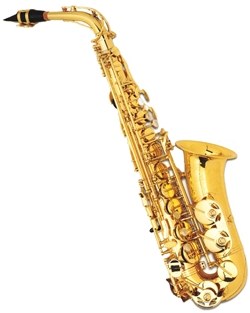
What family does this instrument belong to?
string
wood wind
brass
percussion


A music staff has (a) lines
A music staff has (a) spaces
The musical alphabet starting on B and ascending (going up) is
B A G F E D C
B D F A C E
B C D E F G A
The musical alphabet starting on G and descending (going down) is
G F E D C A B
G E C A F D
G A B C D E F
G F E D C B A

How MANY quarter notes equals a whole note?
1
2
4
8
The musical term for how LOUD or SOFT you play.
tempo
articulation
key signature
dynamics

This symbol indicates ______
tempo
key signature
time signature
dynamics

count this rhythm.

count this rhythm.
An accelerando is a ____ in speed, and a retardando is a ____ in speed
Increase/decrease
Decrease/increase
True or False: Key Signatures help to understand what pitches (notes) to play in the music.
True
False
What is the order of flats?
ABCDEFG
FCGDAEB
GFEDCBA
BEADGCF
What is the order of sharps?
FCGDEAB
FCGDAEB
BEADGCF
BEADGFC
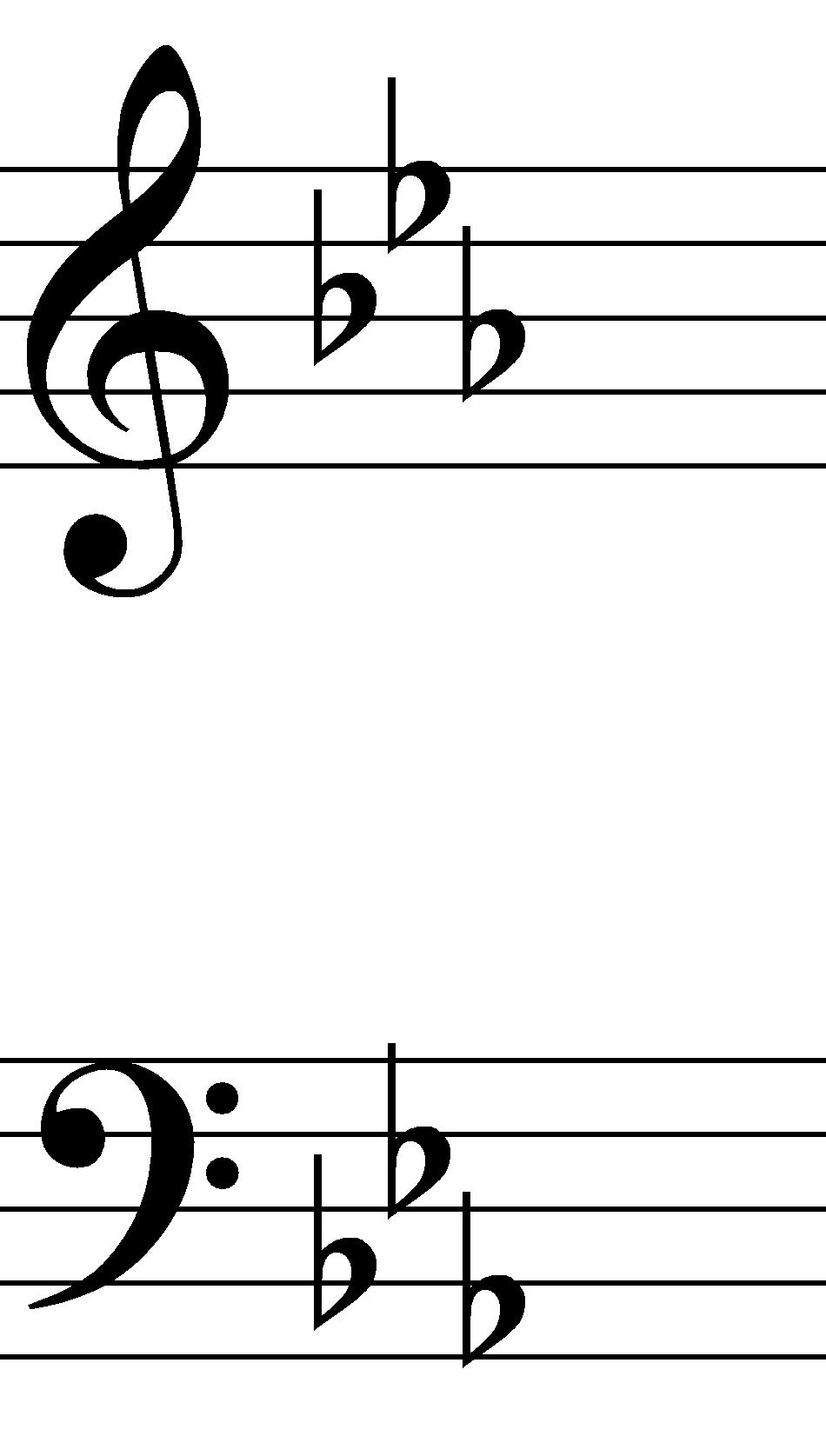
What Flats do we have in this Key Signature?
F C G
D G C
B E A
G C F

What sharps are in this key signature?
B E A D
F C G D
A B C D
A E B F

