
Font size
 Worksheets
Temperature, Pulse, Respirations Review
Total questions: 26
Worksheet time: 15mins
Label the pulse sites in the image.

What type of thermometer is shown in the image?
Digital- Oral
Tympanic
Temporal
Mercury Free Clinical
Electronic- Rectal

What type of thermometer is shown in the image?
Digital- Oral
Tympanic
Temporal
Mercury Free Clinical
Digital- Rectal
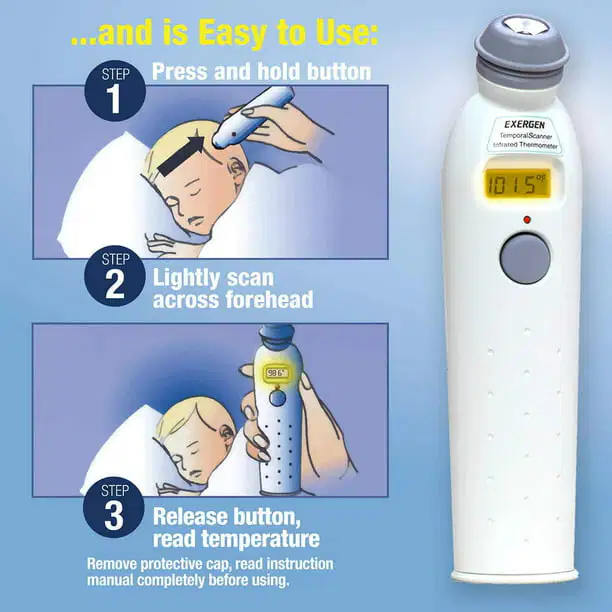
What type of thermometer is shown in the image?
Digital- Oral
Tympanic
Temporal
Mercury Free Clinical
Digital- Rectal
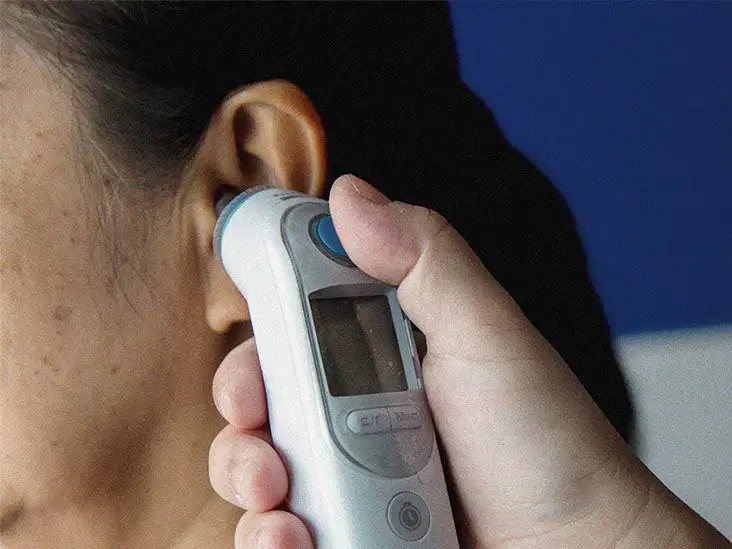
What type of thermometer is shown in the image?
Digital- Oral
Tympanic
Temporal
Mercury Free Clinical
Digital- Rectal
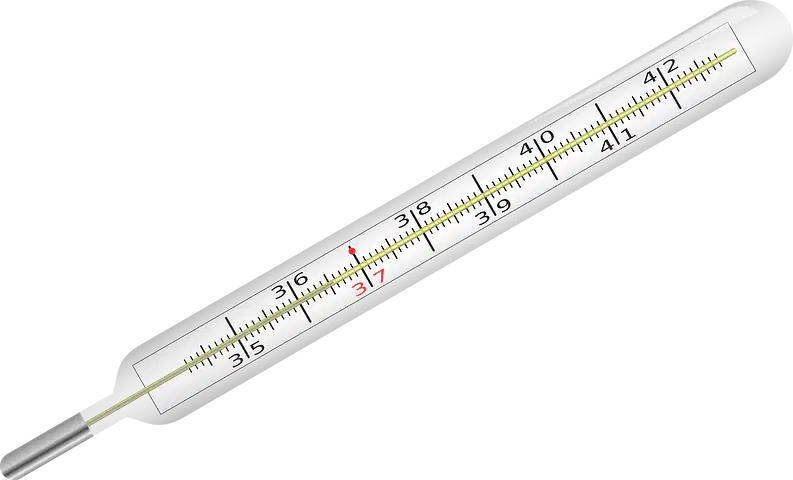
What type of thermometer is shown in the image?
Digital- Oral
Tympanic
Temporal
Mercury Free Clinical
Digital- Rectal
Where is the radial pulse located?
On the thumb side of the wrist
In the center of the antecubital space
On the little finger side of the wrist
On the anterior side of the neck
What is the normal range for the resting pulse rate of an adult?
60–100 beats/min
60–80 beats/min
70–90 beats/min
80–100 beats/min
Bradycardia is:
a slow pulse less than 60 beats per minute
a slow pulse less than 70 beats per minute
a fast pulse more than 100 beats per minute
a fast pulse more than 115 beats per minute
Tachycardia is:
a slow pulse less than 60 beats per minute
a slow pulse less than 70 beats per minute
a fast pulse more than 100 beats per minute
a fast pulse more than 115 beats per minute
The popliteal pulse is located:
inside the thigh
behind the knee
on the upper arm
on the lower arm
One respiration consists of
One inhalation
One exhalation
One inhalation and one exhalation
The opening and closing of the valves of the heart
The normal respiratory rate of an adult ranges from
8–16 respirations per minute
10–18 respirations per minute
12–20 respirations per minute
16–22 respirations per minute
If a patient’s pulse rate is 80 beats/min, the patient’s respirations would most likely be
14 respirations per minute
16 respirations per minute
18 respirations per minute
20 respirations per minute
What term is used to describe breathing that is easier in a sitting position?
Orthopnea
Dyspnea
Bradypnea
Eupnea
(a) is the term that means absence of breathing.
What term means difficulty breathing?
Orthopnea
Dyspnea
Bradypnea
Eupnea
If there is a difference between the apical and radial pulse rate, the difference is known as the _______.
pulse rate
pulse deficit
chyne-stokes
BPM
Classify the following temperature: 98.6 oral
Normal
Low
Fever
Classify the following temperature: 96.9 axillary
Normal
Low
Fever
Classify the following temperature: 99.6 axillary
Normal
Low
Fever
Classify the following pulse rate (adult): 56
bradycardia
tachycardia
NORMAL
bradypnea
tachypnea
Classify the following pulse rate (adult): 110
bradycardia
tachycardia
NORMAL
bradypnea
tachypnea
Classify the following pulse rate (adult): 72
bradycardia
tachycardia
NORMAL
bradypnea
tachypnea
Classify the following respiratory rate (adult): 36
bradycardia
tachycardia
NORMAL
bradypnea
tachypnea
Classify the following respiratory rate (adult): 10
bradycardia
tachycardia
NORMAL
bradypnea
tachypnea

