wayground logo

Free Printable Worksheets

Font size

S
M
L
XL
Worksheets

BIOMES

Total questions: 75

Worksheet time: 2hrs 31mins

Name
Class
Date
1.

Freshwater has an extremely low amount of salt (1%).

a)

True

b)

False

2.

How much of the Earth is covered in freshwater?

a)

2.5%

b)

10%

c)

50%

d)

1%

3.

Choose all habitats that are freshwater biomes.

a)

Coral Reefs

b)

Rivers

c)

Ponds

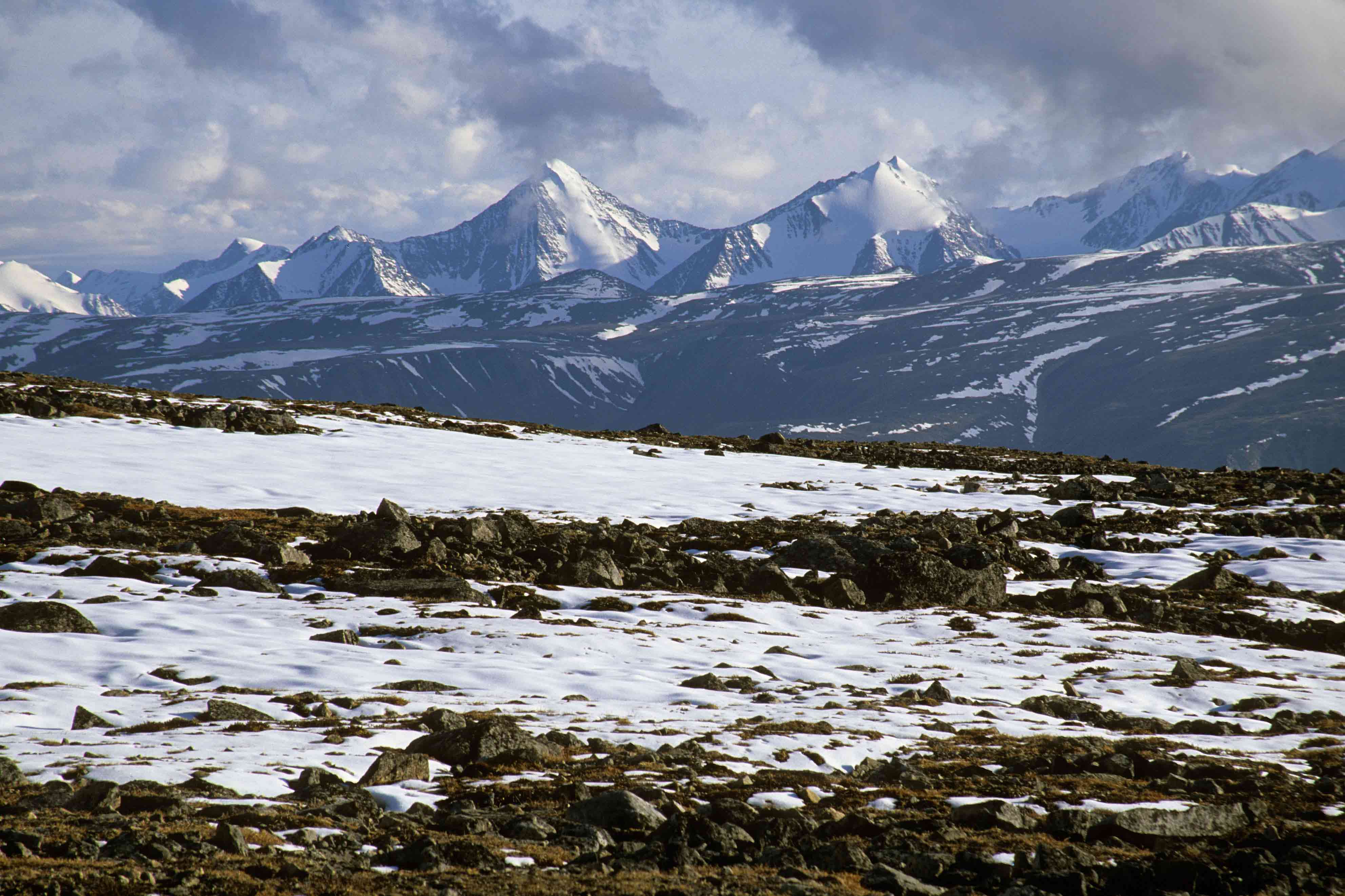
d)

Wetlands

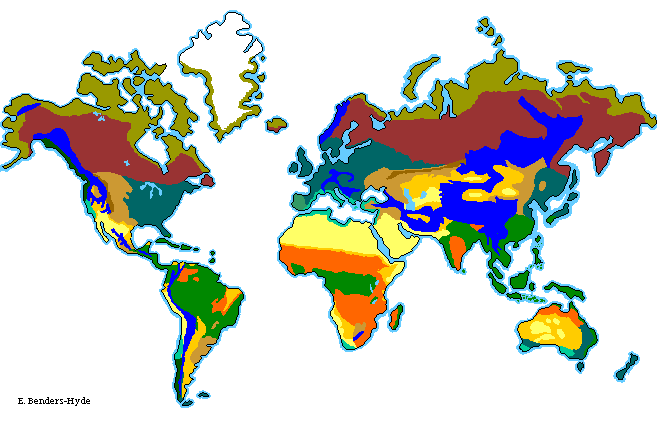
4.

Freshwater biome ecosystems vary by all of the following except

a)

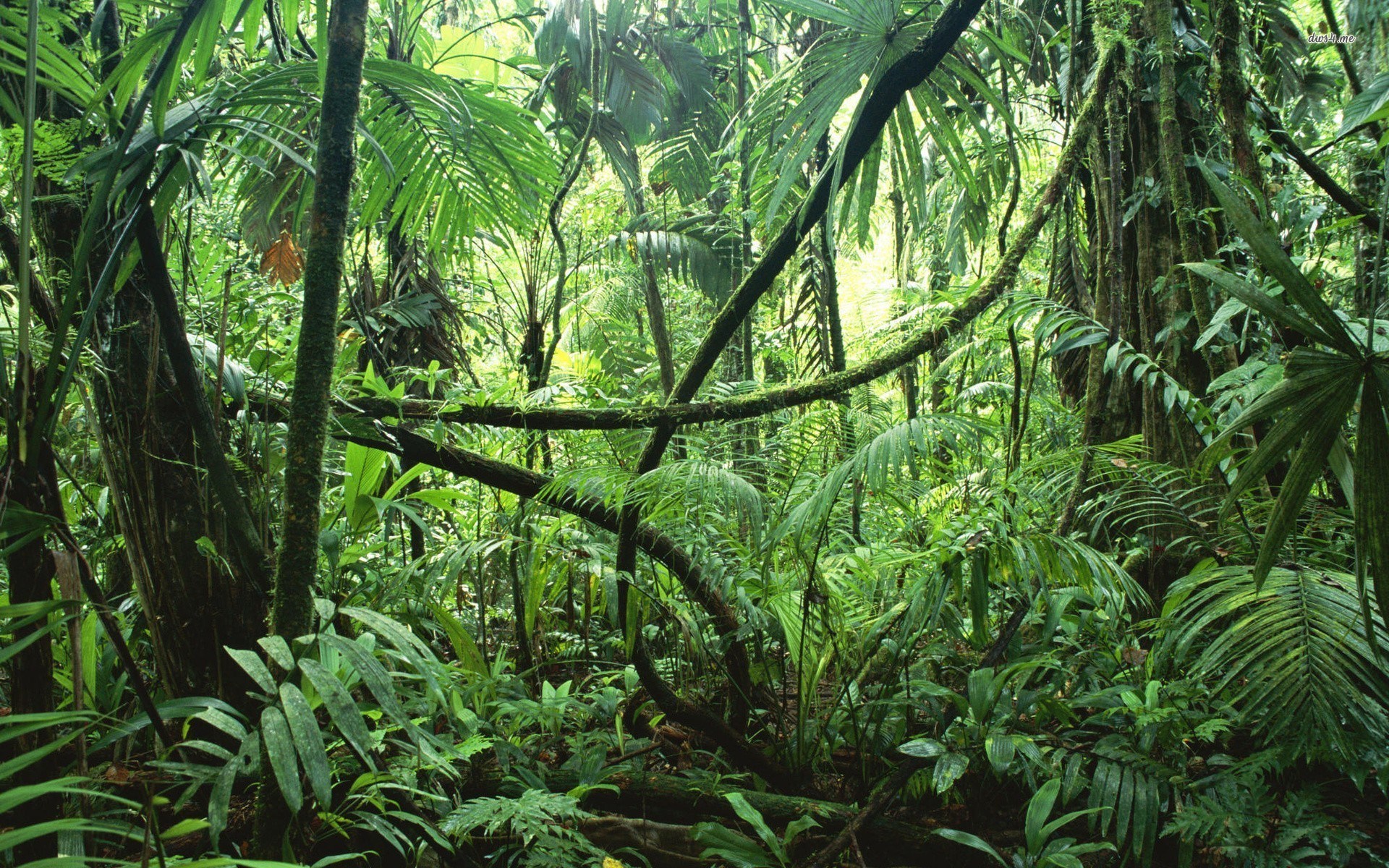
amount of light

b)

temperature

c)

pressure

d)

salt concentration

5.

Which of the following is NOT one of the categories of ecosystems?

a)

Marine

b)

Freshwater

c)

Terrestrial

d)

Biome

6.

Which type of ecosystem is the MOST abundant on Earth? It covers approximately 75% of the planet.

a)

Marine

b)

Freshwater

c)

Terrestrial

d)

Arctic

7.

What is a freshwater biome?

a)

an ecosystem made up of any body of freshwater

b)

a body of freshwater containing less than 1% salt

c)

a body of freshwater such as a lake, pond, stream or rivers.

d)

all of the above

8.
A large ecosystem is called a ______
a)
Ecosystem
b)
Habitat
c)
Biome
d)
Niche
9.

Which aquatic biome is characterized by where rivers meet oceans?

a)

Marine

b)

Freshwater

c)

Coral Reef

d)

Estuary

10.

What is the largest biome on planet Earth?

a)

Desert biome

b)

Marine biome

c)

Rainforest biome

d)

Savanna biome

e)

Temperate forest biome

11.

Which of the following is considered a marine mammal?

a)

Shark

b)

Tuna

c)

Grouper

d)

Stingray

e)

Dolphin

12.

What living organism in the ocean helps to provide much of the Earth's oxygen?

a)

Fungi

b)

Fish

c)

Algae

d)

Whales

e)

Coral reefs

13.

How can humans affect Marine Biomes?

a)

oil spills

b)

dumping trash

c)

global warming

d)

all of the above

14.

An estuary is best defined as a place where--

a)

fresh and salt water meet

b)

a river meets the Chesapeake Bay

c)

a group of animals are gathered

d)

the water from the land flows into a river

15.

The biochemical emission of light by living organisms such as fireflies and deep-sea fishes.

a)

Chromatophore

b)

Spectroscopy

c)

Bioluminesence

d)

Phosphorescence

16.
Many of the animals are ______________ to avoid the extreme heat during the day.
a)
cacti
b)
chia
c)
water
d)
nocturnal 
17.
Plants and animals in the desert need to be able to adapt to strong____________.
a)
winds
b)
nocturnal
c)
water
d)
cacti
18.

What is the main characteristic of a desert?

a)

Sand

b)

Lack of rain

c)

Large amounts of plants

d)

Cactus

19.

How cold does a desert get on average at night?

a)

1 degree

b)

-10 degrees

c)

-3 degrees

d)

30 degrees

20.

What plants can survive in a desert biome?

a)

Succulents

b)

Cacti

c)

Ferns

d)

Fig tree

21.

Which description best matches desert biome ?

a)

Near the equator, warm temperatures, and abundant rainfall.

b)

Dry environments that generally receive less than 10 in. of rainfall each year.

c)

A cold, dry, mostly treeless biome that encircles the Arctic Ocean

22.

What are two abiotic factors that influence deserts?

a)

Wind and sun

b)

Rain and snow

c)

Snow and sun

23.

What does it mean when animals are nocturnal?

a)

It means animals sleep during the day and are active night.

b)

It means animals are active during the day and sleep at night.

c)

It means animals only sleep four hours every night.

24.
How much rain falls in the desert?
a)

more than 250 cm

b)

more than 25cm

c)

less than 25 cm

d)
none at all
25.
What is one thing both "hot" and "cold" deserts have in common?
a)
All the land is made of sand
b)
Underground water filters impurities from the sand.
c)
There is a dramatic change between night and day temperatures.
d)
Both get regular predictable rainfall. 
26.

Which of the following is not a characteristic of a hot desert?

a)

very little rain

b)

hot in the day, cool at night

c)

sandy soil

d)

covered with grass

27.
The permenantly frozen soil that prevents plants from growing deep within the soil is called ________
a)
concrete soil
b)
water table
c)
permafrost
d)
estruary
28.
Which  of the following describes the location of the Tundra biome?
a)
Eastern United States
b)
Most of Canada
c)
North of Canada
d)
Near the equator
29.
Which of these describes an abiotic factor in the Tundra biome?
a)
Temperatures ranging from 50-95 degrees Fahrenheit 
b)
Strong cold winds
c)
Snowy Owls
d)
Lichen and other low growing plants.
30.
Name one animal that lives in the Tundra.
a)
Birds
b)
Polar Bear
c)
Fox
d)
Cat
31.
Which biome is characterized by low temperatures and low amounts of rainfall?
a)
Tundra
b)
Desert
c)
Temperate Deciduous Forest
d)
Tropical Rainforest
32.
 Which of the following BEST describes the Tundra biome? ­­­­­­­­­­
a)
a.  A treeless plain found in the Artic or on the tops of mountains that is characterized by very low winter temperatures and short, cool summers. 
b)
a.  A region that has little or no plant life, long periods without rain, and extreme temperatures; usually found in hot climates. 
c)
a.  An area that often has scattered trees and that is found in tropical and subtropical areas where seasonal rains, fires, and drought happen. 
d)
a.  A forest biomes where the leaves on the trees fall off during winter, or the dry season, and grow back in the spring and summer.
33.
Many organisms in the polar ice or tundra biomes will do what to avoid the cold months with no food.
a)
Migrate
b)
Hibernate
c)
Find spots rich in food
d)
All of these
34.
_________________ and _______________ are the two types of tundras.
a)
Hot and Cold
b)
Polar and Alpine
c)
Snow and Ice
d)
Savannah and Temperate
35.
Which biome is also called the "taiga"
a)
temperate deciduous forest
b)
boreal forest
c)
temperate rainforest
d)
tropical rainforest
36.
The biome known for trees with broad leaves that fall off the trees in the winter.
a)
Coniferous Forests
b)
Temperate Deciduous Forests
c)
Deserts
d)
Tundra
37.
 What type of biome is pictured?
a)
Temperate Deciduous Forest
b)
Boreal Forest
c)
Tropical Rainforest
d)
Grassland
38.
 What type of biome is pictured?
a)
Tundra
b)
Temperate Rainforest
c)
Grassland
d)
Desert
39.

This biome contains American black bear, raccoon, porcupine, frog, and white tailed deer

a)

temperate deciduous forest

b)

chaparral

c)

taiga

d)

desert

40.
The closer a biome is to the equator, the more we would expect it to be
a)
warmer & wetter
b)
warmer & drier
c)
cooler & wetter
d)
cooler & drier
41.
The farther a biome is from the equator, the more we would expect it to be 
a)
warmer & wetter
b)
warmer & drier
c)
cooler & wetter
d)
cooler & drier
42.
The tropical savanna & temperate grassland are both types of grasslands. What differentiates them is the fact that
a)
the savanna is hotter
b)
the savanna is cooler
c)
the grassland is hotter
d)
the grassland receives much more precipitation
43.
The biome pictured is
a)
tropical savanna
b)
tropical rain forest
c)
temperate rain forest
d)
temperate deciduous forest
44.
The biome pictured is
a)
desert
b)
tropical savanna
c)
tropical seasonal forest
d)
boreal forest
45.
The biome pictured is
a)
boreal forest
b)
temperate deciduous forest
c)
tropical rain forest
d)
temperate rain forest
46.
The biome pictured is
a)
temperate grassland
b)
temperate deciduous forest
c)
desert
d)
tundra
47.
The biome pictured is
a)
tropical rain forest
b)
temperate deciduous forest
c)
temperate rain forest
d)
tropical seasonal forest
48.
The biome pictured is
a)
desert
b)
tundra
c)
temperate grassland
d)
boreal forest
49.
Which animal is a predator in the rainforest?
a)
giraffe
b)
zebra
c)
camel
d)
jaguar
50.
Is this an Amazon Rain forest animal
a)
True
b)
False
51.
Which of these describes the rainforest?
a)
populated by squirrels, bears and pine trees
b)
relatively few trees
c)
generally close to the equator
d)
short, mild, dry summers
52.
The rainforest has the greatest variety of different organisms that live there. In other words, the rainforest has the greatest ______.
a)
speciation
b)
biodiversity
c)
climate
d)
succession
53.
Which of these is the greatest limiting factor for plants on the forest floor?
a)
space
b)
soil
c)
sunlight
d)
water
54.
How do rainforest animals use bright colors?
a)
to camouflage
b)
to attract a mate
c)
to warn that they are poisonous
d)
all of the above
55.
What biome?
a)
Mountains
b)
Tundra
c)
Tropical Rainforest
d)
Temperate Forest
56.
How can temperatures in the tropical rainforest be described?
a)
Very variable throughout the year
b)
Do not vary very much throughout the year
c)
Usually around 15°C
57.
Average yearly precipitation in a tropical rain forest
a)
76 cm to 250 cm
b)
100 cm
c)
0-25 cm
d)
200 cm or more
58.

What are some characteristics of deserts?

a)

lots of trees

b)

high average rainfall

c)

low average rainfall

d)

extreme temperature variations

e)

grasslands

59.

What are some characteristics of rainforests?

a)

lots of trees

b)

high year round temperature

c)

high amount of rainfall

d)

grasslands

e)

low year round temperature

60.

What are some characteristics of tundra?

a)

permafrost

b)

very cold, low average temperatures

c)

lots of trees

d)

small amount of plants

e)

high amount of rainfall

61.

What are some characteristics of a temperate deciduous forest?

a)

leaves change color in the fall

b)

lots of trees

c)

hot year round

d)

low amount of rainfall

62.

What are some characteristics of a temperate grassland/prairie?

a)

lots of trees

b)

grassland

c)

flat

d)

high temperatures year round

63.

What are some characteristics of a tropical grassland/savanna?

a)

warm temperatures

b)

seasonal rainfall

c)

lots of trees

d)

grassland

e)

low average temperature

64.
Which biome, because of its climate, has the largest number of species of plants and animals?
a)
tundra
b)
desert
c)
tropical rainforest
d)

chaparral

65.
Which major biome is home to cacti, mesquite, white thorn, pack rats, small reptiles, and coyotes?
a)
desert
b)
taiga
c)
tundra
d)
grassland
66.
Which biome contains large populations of grazing herbivores, few species of birds, and deep, rich soil?
a)

Boreal Forest

b)

Tundra

c)

Deciduous Forest

d)

Grassland

67.

___ is a cold, dry biome where the soil stays frozen the entire year and has very little precipitation.

a)

Savannah

b)

Boreal Forest

c)

Tundra

d)

Desert

68.
Northern biome with many coniferous trees; very cold temperatures in the winter months.
a)

Boreal Forest

b)

Tundra

c)

Desert

d)

Temperate Rainforest

69.
Which type of trees is found in a temperate forest?
a)
deciduous
b)
evergreen
c)
ginko
d)
palm
70.
This biome contains mostly spruce trees and Douglas firs, which are both evergreen.  The winters are long and cold and the summers are short and rainy.  The soil is very rich.  Moose and elk live here.  This biome is classified as a
a)
taiga
b)
tundra
c)
deciduous forest
d)
temperate forest
71.
This biome contains mostly spruce trees and Douglas firs, which are both evergreen.  The winters are long and cold and the summers are short and rainy.  The soil is very rich.  Moose and elk live here.  This biome is classified as a
a)
taiga
b)
tundra
c)
deciduous forest
d)
temperate forest
72.
Areas defined by their geographical location and ecological similarity are called?
a)
ecozones
b)
biotopes
c)
biomes
d)
biodomes
73.
Very little sun reaches this part of the rainforest.
a)
equal
b)
earth
c)
floor
d)
carnivorous 
74.
As altitude or latitude increase, temperature ______
a)
stays the same
b)
rises
c)
drops
d)
drops, then rises
75.
Which two biomes have the least precipitation?
a)
tropical rain forest and temperate grasslan
b)
savanna and tropical dry forest
c)
tundra and desert
d)
boreal forest and temperate woodland