
NEW
Font size
 Worksheets
Animals: Invertebrates
Total questions: 13
Worksheet time: 10mins
What type of symmetry does an elephant have?
radial symmetry
bilateral symmetry
asymmetry
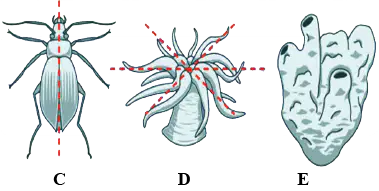
Which image represents the radial symmetry?
C
D
E

What type of symmetry is this coral?
Asymmetrical
bilateral symmetry
radial symmetry
Invertebrate animals have this kind of skeleton, which have a fluid-filled compartment,
hydrostatic skeleton
exoskeleton
endoskeleton
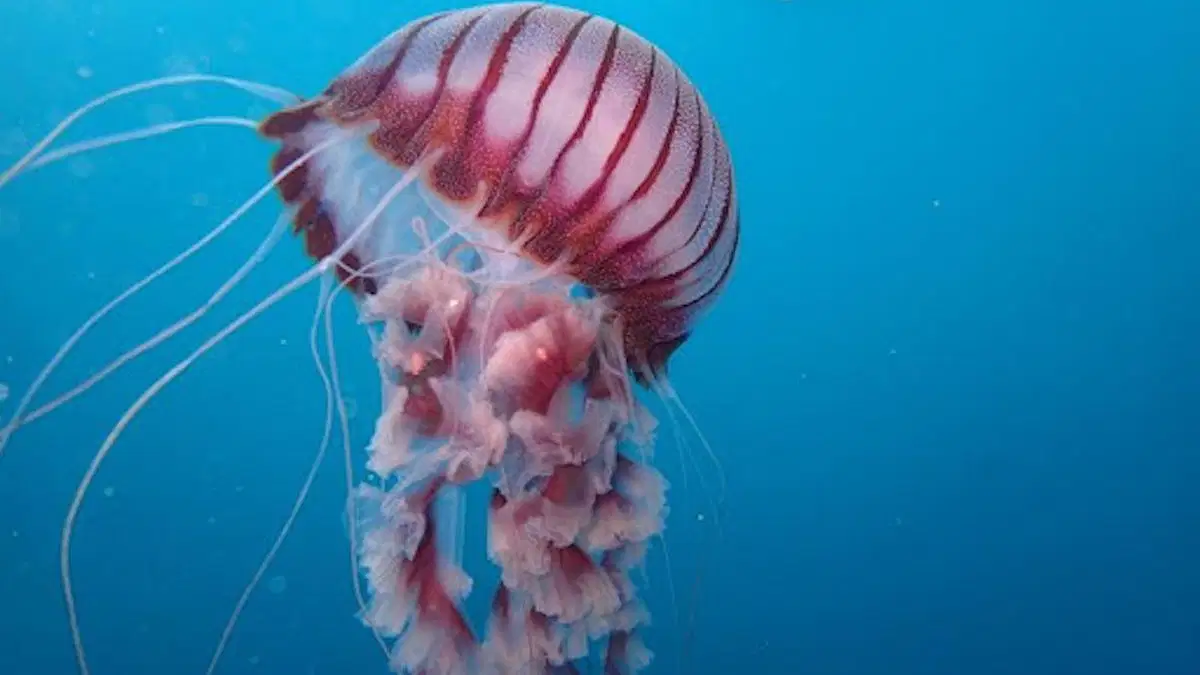
This skeleton does not grow with the animal, so they need to leave this skeleton and produce a new one. Is on the outside.
exoskeleton
endoskeleton
hydrostatic skeleton

exoskeleton
endoskeleton
hydrostatic skeleton

exoskeleton
endoskeleton
hydrostatic skeleton
exoskeleton
endoskeleton
hydrostatic skeleton
Eight (8) legs used for walking and grasping:
insects
spiders and scorpions
crabs and lobsters
centipedes and millipedes
Mostly live in water, have 3 or more pairs of legs:
insects
spiders and scorpions
crabs and lobsters
centipedes and millipedes
Largest group, have 6 legs, undergo metamorphosis:
insects
spiders and scorpions
crabs and lobsters
centipedes and millipedes
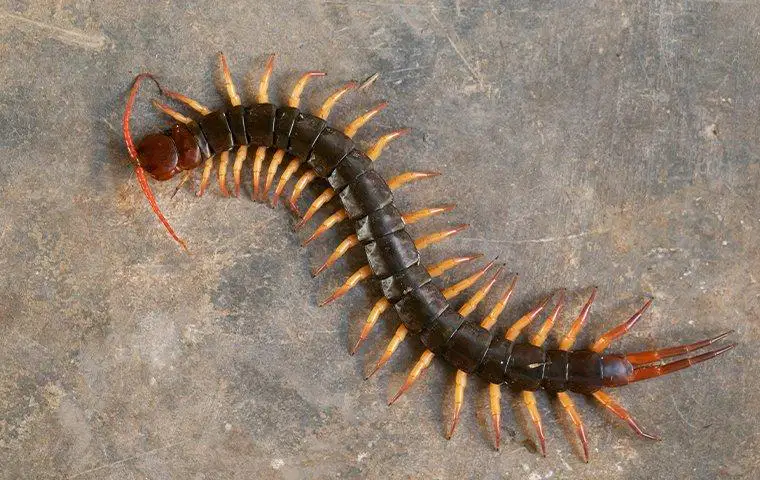
Have the most appendages (any of the homologous body parts that may extend from a body segment), 1 or 2 pairs per segment:
insects
spiders and scorpions
crabs and lobsters
centipedes and millipedes
An endoskeleton animal is vertebrate or invertebrate?
vertebrate
invertebrate
I didn't study, don't know

