
 Worksheets
SCIENCE GRADE 8 CHAPTER 10-12 PG
Total questions: 20
Worksheet time: 25mins
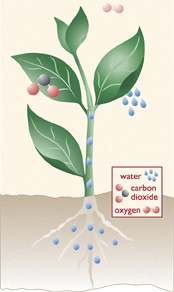
___________ make food by photosynthesis and pass it back to the stem.
stems
roots
leaves
buds
__________are structures that close to prevent blood from going backwards.
ventricles
valves
veins
arteries
There are three types of vessels:
only capillaries
Atia, veins and capillaries
Arteries, veins and capillaries
Arteries, valves and capillaries

What is the function of the circulatory system?
To provide nutrients to the whole body
To maintain homeostasis for the body
To fight off infection or disease
To transport nutrients, oxygen, and blood throughout the body
What do we call the tiny tubes that return blood back to the heart?
arteries
chambers
veins
ventricles
Your blood is made up of which of the following...
plasma, red blood cells, blue blood cells
white and red blood cells
plasma and platelets
plasma, red blood cells, white blood cells, and platelets
What part of blood is responsible for carrying oxygen and carbon dioxide to body cells?
Red Blood Cells
White Blood Cells
Platelets
Plasma
What part of blood is responsible for fighting infections?
Red Blood Cells
White Blood Cells
Platelets
Plasma
The five main parts of the circulatory system are?
heart, blood, nutrients, flakes, skin
heart, blood, valves, crust, mantle
heart, blood, veins, arteries, capillaries
heart, blood, cells, skin, nerves
What protects the body against blood loss?
Clots formed by clusters of leukocytes.
Clots formed by platelets and blood proteins.
Masses of erythrocytes and erythrocyte fragments.
Constriction of capillaries in the damaged area.
1. larynx
2. nasal cavity
3. pharynx
4. trachea
Which of the following is the correct order that air would flow during inhalation.
The use of oxygen by the cells to release energy from food is called...
photosynthesis
cellular respiration
diffusion
osmosis

The largest tube in the respiratory system is the
bronchiole
bronchus
trachea
alveoli

