
 Worksheets
Organics II LSL
Total questions: 19
Worksheet time: 17mins
What is the name of this alcohol?
CH3CH2CH2CH2OH
(a)
Which of these are conditions for the fermentation of glucose?
High pH
Temperature of c. 30 OC
Anaerobic conditions
O2 (g)
Light
Which of these products are produced by the complete combustion of ethanol?
CO2
CO
H2
H2O
What product is formed from microbial oxidation of ethanol?
(a)
Name the reagent that you would use along with sulphuric acid to oxidise an alcohol in the laboratory.
(a)
What colour change would you observe during the lab oxidation of ethanol by potassium dichromate?
Orange --> colourless
Purple --> colourless
Orange --> green
Green --> orange
Which of these are not needed for the lab oxidation of ethanol to ethanoic acid by potassium dichromate?
High pressure
Heat
sulphuric acid
A Liebig condenser
Name the product that is formed alongside ethanoic acid in the microbial oxidation of ethanol.
(a)
Which of these are conditions for the hydration of ethene?
150 OC
300 OC
60-70 atm
Phosphoric acid catalyst
Silica Catalyst
Name this molecule:
CH3CH2COOH
(a)
Which of these are products of the reaction between magnesium and methanoic acid?
Water
Hydrogen
Carbon Dioxide
Magnesium methanoate
Alongside water and carbon dioxide, what product is formed when sodium reacts with butanoic acid?
(a)
Which of these are legitimate descriptions of the reaction between an alcohol and a carboxylic acid?
Esterification
Dehydration
Condensation
Substitution

Which molecules would you need to make this ester?
Methanol
Ethanol
Methanoic acid
Ethanoic acid

What is the name of this ester?
(a)

Which alcohol would you use to make this ester?
(a)
Which of these are features of esters?
Volatile
Acidic
Distinctive smells
React to form polymers
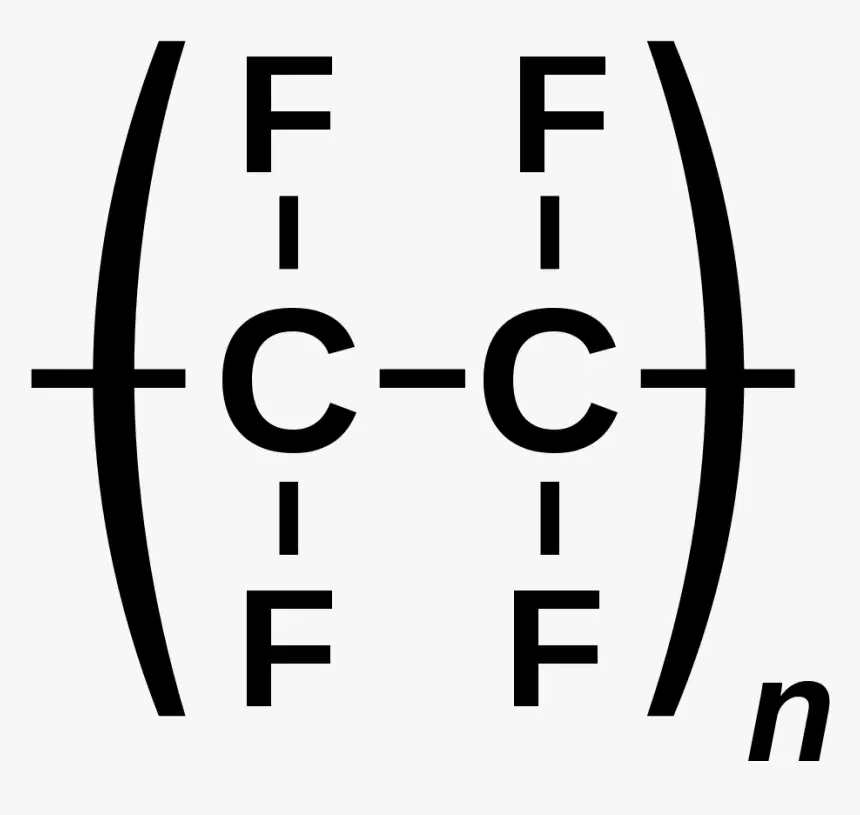
Name this:
(a)
Which of these are true about addition polymers?
They are inert
They are unable to biodegrade
They produce toxic gases when burned
They are often biological molecules

