
 Worksheets
Science chapter 8
Total questions: 40
Worksheet time: 37mins
What happens as Earth rotates?
the Moon changes shape
Earth’s axis changes
day changes to night
spring changes to fall
The spinning of Earth. (n)
earth's rotate
earth's orbit
earth's rotation
earth's spining
Earth always rotates in ____________________________.
the same direction
the different way
the different direction
the same time
An imaginary line that goes through the middle of Earth
tilted
axis
orbit
phase
_____________________ seem to move across the sky.
The day and night
The seasons
The stars
The Sun and the Moon
Why do the Sun and Moon seem to move?
(a)
It is _________when our side of Earth faces the Sun
night
day
when our side of Earth faces the sun, it is______on the other side
night
day
Every____________, Earth makes one full turn on its axis.
24 hours
365 days
one month
one year
The path Earth takes around the sun is called
spining
rotate
orbit
turning
What can shadows tell us?
the season of the year
the time of day
the orbits of the planets
the patterns of the stars
How long does it take Earth to orbit the Sun?
88 days
365 days
300 days
265 days
In _______, the air become cool. Leaves on the trees turn colors and fall off.
spring
winter
summer
fall
In ________________, the air is cold.
Animals and people must keep warm.
spring
summer
fall
winter
In _________, the weather become warmer.
Trees and flowers bloom.
spring
summer
fall
winter
_______________ is the hottest season.
There are more hours of sunlight than of night.
spring
summer
fall
winter
What causes the seasons?
the Sun orbit around the Earth
The tilt of the Earth
The Earth rotates on its axis
The Moon orbit around the Earth
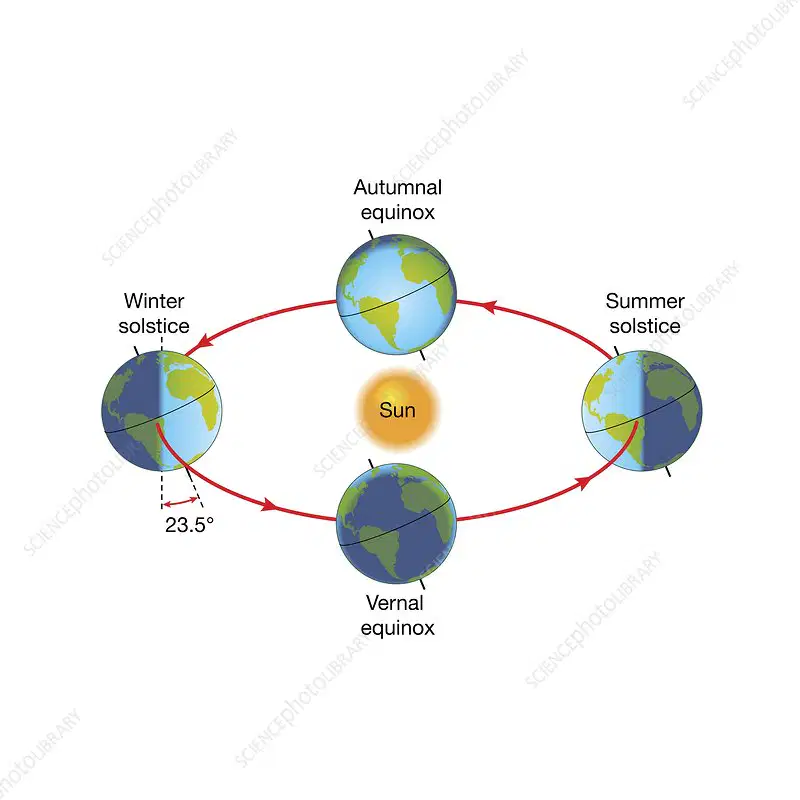
when our part of Earth is tilted________________ the Sun, we have spring and summer.
away
toward
like
far from
when our part of Earth is tilted________________ the Sun, we have fall and winter.
toward
far
away
near
Which moon phase gives the most light?
new moon
first quarter moon
full moon
last quarter moon
why don't all stars warm Earth like the Sun does?
(a)
Which is not a planet?
Earth
The Moon
Mars
Venus
what are star made of?
gas
ice
rock
water
Which is Earth’s closest neighbor?
The Moon
stars
the Sun
planets
What is the brightest star in our solar system?
The Sun
The Moon
Mars
Jupiter
When the Moon between the Earth and the Sun
which moon phase will happen?
new moon
first quarter moon
full moon
last quarter moon
what do the phases of the Moon show
(a)
The Moon is made of ________ and covered with dust.
gas
light
rock
hot liquid
_______is the closest planet to the Sun._
Mars
Mercury
Jupiter
Venus
_______is the largest planet
Mars
Venus
Jupiter
Earth
which planet has water and air?
Mars
Jupiter
Earth
Venus
what is the hottest planet in the solar system?
Mercury
Venus
Earth
Mars
what is the star that is close to the Earth?
The Sun
The Moon
Mars
Jupiter
How are the planets in solar system the same?
(a)
which planets don't have moons
Mercury
Mars
Jupiter
both Mercury and Venus
Which planet has the largest orbit?
Mercury
Neptune
Uranus
Jupiter
There are planets, moons, and the Sun in our ____________.
seasons
rotation
solar system
phases
What makes the Moon shine brightly?
the rotation of Earth
sunlight and moon dust
the light from Earth
hot gases and fire
Why does our sun look bigger than other stars?
It is farther away from us.
It is the same distance from us as other stars.
It is closer to us.
Why do we can't see the stars during the day?
(a)

