
NEW
Font size
 Worksheets
Unit 9 - Human Body Test Review
Total questions: 20
Worksheet time: 15mins
Which lobe of the brain is mainly responsible for vision?
Frontal lobe
Parietal lobe
Temporal lobe
Occipital lobe
Which of the following is the correct pathway for sperm to exit the body?
Testes → Prostate gland → Epididymis
Urethra → Vas deferens → Testes
Vas deferens → Epididymis → Urethra
Epididymis → Vas deferens → Urethra
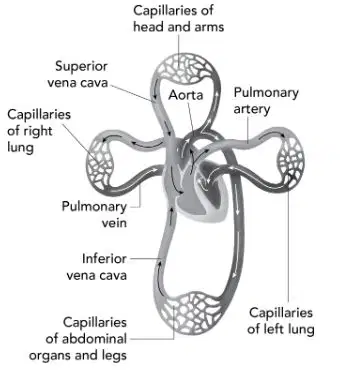
The circulatory system transports substances throughout the body. The diagram shown summarizes blood flow through the circulatory system. If a clot were to form in the pulmonary artery, how would this affect other systems?
Blood flow from the heart to the lungs would be reduced.
Blood flow from the heart to body tissues would be reduced.
Blood flow from the lungs to body tissues would increase.
Blood flow from the aorta to the arms and legs would increase.
During the last stages of a viral infection, B cells recognize antigens on the virus and help other immune cells destroy the virus. How will the immune system respond if the same virus invades again?
Memory B cells will respond quickly to the same antigens on the virus.
Memory B cells will respond quickly to a different set of antigens on the virus.
The immune system will respond to and clear the infection the same way as it did before.
The immune system will mount a slow, minimal response to the infection, which will be more severe and longer lasting.
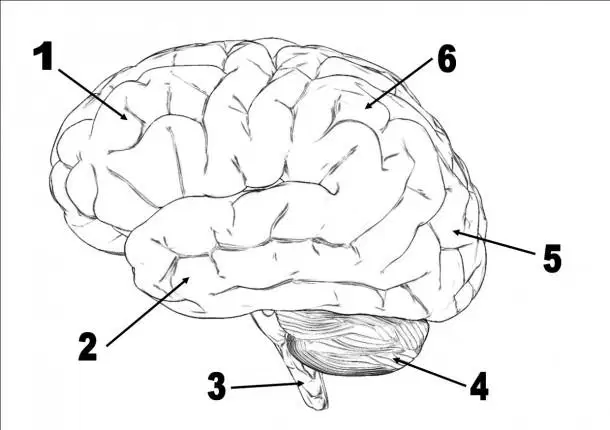
What part of the nervous system is labeled with a 1?
Frontal lobe
Parietal lobe
Temporal lobe
Occipital lobe
What part of the nervous system is labeled with a 4?
Cerebrum
Cerebellum
Brainstem
Frontal lobe
The human brain contains different regions that control specific bodily functions. On a model, how could you identify the region of the brain that is responsible for voluntary activities of the body, intelligence, reasoning, thinking, learning, and judgment?
This region is the thalamus, between the brainstem and cerebrum.
This region is the brain stem, connecting the brain to the spinal cord.
This region is the cerebellum, divided into left and right hemispheres.
This region is the cerebrum, the largest region in the brain.
An older man visits the doctor and learns that he has a disease known as atherosclerosis. Meaning, there is a buildup of plaque made of fat and cholesterol inside his blood vessels. Which of the following best describes the result of blood flow and blood pressure based on his condition?
Blood flow would increase, and blood pressure would increase
Blood flow would decrease, and blood pressure would increase
Blood flow would decrease, and blood pressure would decrease
None of the above.
The drinking of alcoholic beverages and smoking by a pregnant woman is harmful to the development of the fetus. This is most damaging in the first trimester of pregnancy because during this time
The lungs of the fetus are functional.
The baby should be putting on most of its weight.
All of the essential organs are beginning to form.
The fetus cannot excrete waste.
Which of the following is a nonspecific defense against pathogens?
Antibodies
Cytotoxic (killer) T cells
Adaptive immunity
Inflammatory response
The human brain contains different regions that control specific body functions and perform specific tasks. Which describes the location and function of the brainstem?
A large lobe near the center of the brain; controls reasoning and memory.
A pair of large lobes along the sides of the brain; coordinates muscular movement.
A collection of peripheral nerves that extends down the back; carries sensory information.
A region at the base of the brain; transfers messages to and from the spinal cord.
Which of the following structures of the male reproductive system is responsible for producing sperm?
Testes
Vas deferens
Urethra
Prostate gland
Vaccines are effective ways to fight against diseases and pathogens. There are multiple types of vaccines including live-attenuated, inactive, subunit, and DNA. Which of the following best describes why we use vaccines?
They fight the pathogens for you.
They trigger your nonspecific defense/innate immune response to kill all pathogens.
They trigger your specific defense/adaptive immune response to tell B-cells to make antibodies and build immunity from the specific pathogen.
All of the above.
How do antibiotics affect bacterial infections vs. viral infections?
Antibiotics do affect either type of infection.
Antibiotics affect both types of infections.
Antibiotics affect bacterial infections, but not viral diseases.
Antibiotics affect viral infections, but not bacterial diseases.
Which is an example of a specific defense response of the immune system to attack a specific pathogen?
A blood clot forms after the skin is cut or scraped.
Stomach acid kills bacteria that are swallowed along with food.
Antibodies bind to antigens on the surface of bacteria.
A cell makes viral proteins after viral DNA has been injected into it.
Which of the following structures of the female reproductive system is responsible for producing the egg?
Ovary
Oviduct
Uterus
Cervix
Endometriosis is a condition of abnormal cell growth in the uterus. Which of the following would most likely prevent the production of offspring due to the abnormal cell growth in the uterus?
The implantation of the embryo.
The creation of the umbilical cord.
The release of gametes from the ovaries.
The secretion of estrogen by the fallopian tubes.
A vasectomy is a minor surgery that cuts or blocks the vas deferens. What would be the results of the vasectomy?
Sperm would not travel from the epididymis to the seminal vesicle.
Sperm would not be stored in the epididymis.
Sperm would not travel from the testes to the epididymis.
Sperm would not be produced in the seminiferous tubules.
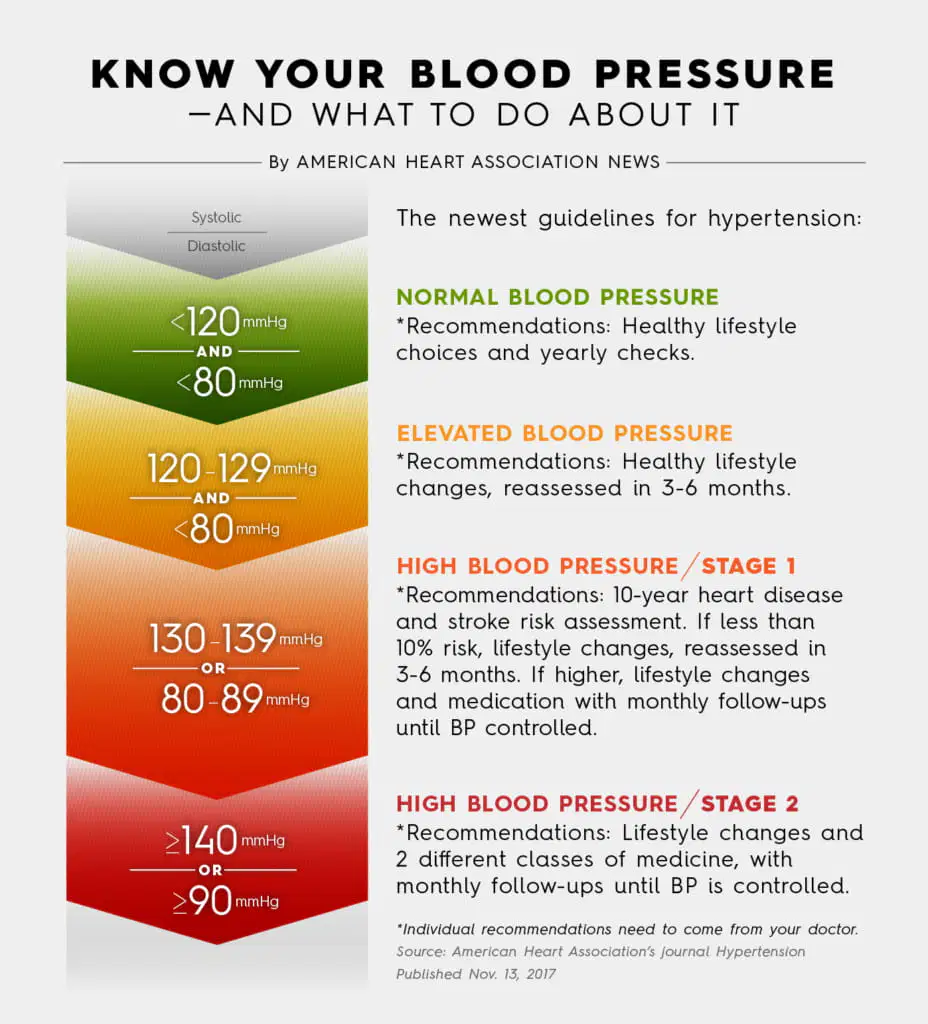
Your dad went to the doctor for a checkup because he started having chest pains and bad headaches. He found that his blood pressure is 138/88. Which of the following is most likely true about your dad and his blood pressure?
He is on a blood thinning medication which decreases blood viscosity and increases blood pressure.
He exercises daily and has a healthy diet.
He has started smoking, causing blockage in the arteries, an increase in resistance and pressure.
He eats many fatty foods, which line the blood vessels, increasing blood flow and decreasing blood pressure.
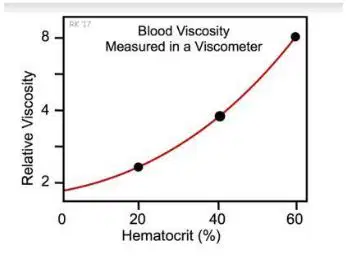
A hematocrit test measures the proportion of red blood cells in your blood compared to the overall blood volume. Normal range for men is 38.3%-48.6% and for women is 35.5% - 44.9%. The graph below demonstrates the relationship between hematocrit levels and blood viscosity. Juan recently had a hematocrit test and results showed that his hematocrit level was 20%. Which of the following would best describe how his blood flow is affected compared to the normal hematocrit range?
Increased blood flow
Decreased blood flow
No change in blood flow compared to normal
None of the above.

