
 Worksheets
Cattle, Cotton & Railroad
Total questions: 60
Worksheet time: 47mins
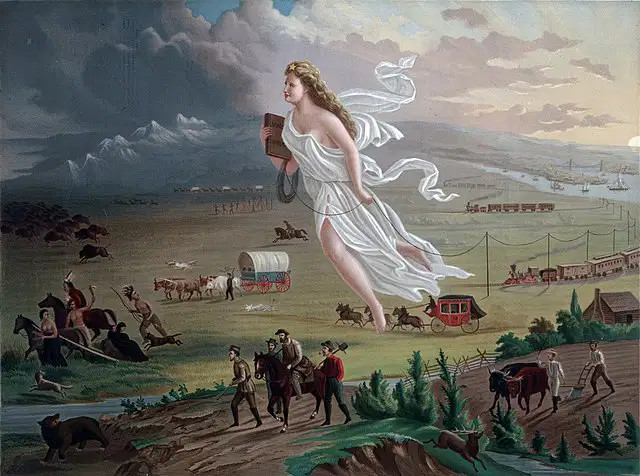
Which of these resulted from the westward expansion of Anglo settlements after the Civil War?
The Plains Indians were removed from Texas and forced onto reservations in Oklahoma
Most of the Plains Indians in Texas were killed during the Indians Wars
The Plains Indians of Texas became U.S. citizens and were assimilated into American society
The Plains Indians were moved back to Texas after oil was discovered in Oklahoma

Who invented Barbed wire and had biggest impact to ending the open range method of cattle ranching?
Elizabeth Williams
Daniel Halladay
Daniel Webster
Joseph F. Glidden

Which technology allowed for the easier transport of goods, and immigration to west Texas?
Steamboats
Automobiles
Railroads
Telegraphs
The Buffalo Soldiers were --
brave Comanche warriors who raided Texan settlements
African-American troops who guarded the Texas frontier
settlers who hunted buffalo on Native American lands
members of the Confederate militia
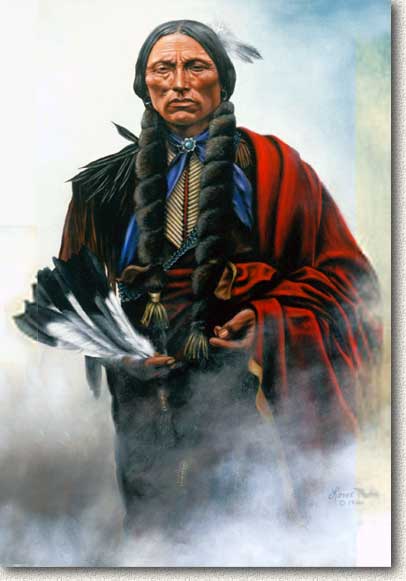
Last chief of the Comanche, mother's name was Cynthia, he led raids against Buffalo hunters.
Sitting Bull
James Hogg
Quanah Parker
Buffalo Bill


How did the windmill impact the growth of Texas?
Allowed farmers and ranchers to access water on their own property without a river or aquifer.
If caused birds to be chopped up when they flew into it.
It cause the growth of Texas to stop growing.
It did absolutley nothing to help the Texas farmers.
A small insect that feeds on cotton plants
bee
Boll Weevil
dog
cricket
An economic cycle of a period of great economic success (much money is being made, many people are employed) followed by a steep decline in success (money is lost, people lose jobs). What is this called?
Boomtown Cycle
Oil Boom Cycle
Boom and Bust Cycle

What role did railroads play in Texas?
Railroads brought very few people to Texas.
The trains were made to transport people only.
The railroads made it harder to transport goods to the East.
A way to transport people, crops, and goods
Farmer who works the land owned by another person and pays rent
sharecropper
tenant farmer
fallow
wrangler
In which dates below did wars with American Indians and cattle drives take place?
1820-1835
1836-1845
1860-1900
1920-1935
Which of the following explains a change in lifestyle of American Indian tribes after the Civil War?
Many tribes experienced drought and famine
Many tribes moved westward to find buffalo
Tribes were removed to reservations
Tribes switched to farming after the buffalo herds disappeared
-Son of an American women captured by the Comanches
-My tribe roamed West Texas
-I eventually assimilated into American culture and influenced other American Indians to do so
Who am I?
Iron Jacket
Quanah Parker
John Wallace
Peta Nocona
The buffalo soldiers helped to shape the history of Texas because they were -
American Indians who fought with Texas during the Civil War
African Americans who guarded the Texas frontier after the Civil War
Anglo Americans who sided with Mexico before the Texas Revolution
Mexican Americans who defended the Alamo during the Texas Revolution
How did the end of the Civil War affect the cattle industry?
Much of the land used for grazing was destroyed in the war
Farmers had to move west and take land needed for grazing
The demand for beef in the East brought rapid growth to the industry
The loss in the Confederacy brought many cowboys to the cattle industry
Which of the following is a likely result of the opening of West Texas to railroads and agriculture from the settlement of previous Indian lands?
Increased number of Indian tribes in an area
Increased number of communities and therefore merchants
Decreased number of communities and merchants
No change in the social and economic status of the region

What CONCLUSION can you draw from the map above?
All cattle trails that started in Texas led to towns in the East.
After the Civil War, ranchers used the trails to bring cattle from other states to Texas.
After the Civil War, numerous trails were added to support the growing cattle industry in Texas.
Before the Civil War, increased settlement encouraged Texas ranchers to find new markets for their cattle.

Which geographic change resulted from the pattern shown in the table above?
American Indian tribes were relocated.
New cities grew up along the rail lines
Texas became a primary producer of cotton.
West Texas’ population grew larger than that of East Texas.

How did the developments illustrated on the graph above impact Texas?
Railroads were built to transport products to markets.
Texas created an income tax to support economic growth.
The agricultural sector of Texas’ economy went into decline.
New immigrants in Texas struggled to find good paying jobs.
The development of ranching in West Texas was primarily influenced by----
politics
railroads
discovery of oil
water resources
The introduction of windmills allowed farmers and ranchers in West Texas to----
provide electricity to the region
create early air conditioning for homes
generate wind power to run farm equipment
irrigate crops without having access to a river
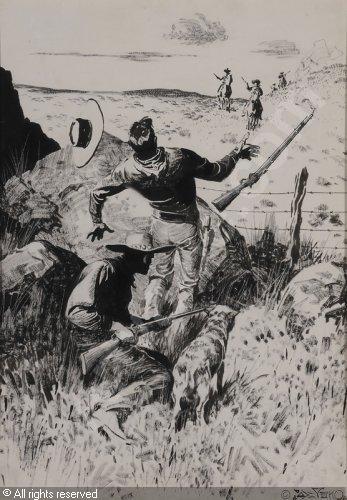
Barbed wire helped close off most of the western frontier, as a result, farmers and ranchers engaged in....
Peace Talks
Range Wars
Elections
Celebrations
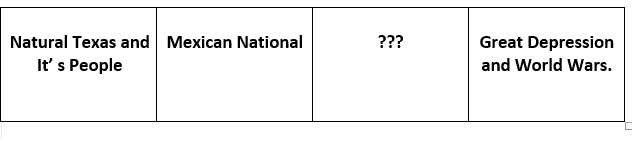
Select the best choice to fill in the missing Texas History Era in the timeline.
Age of Contact
Civil War and Reconstruction
Cotton, Cattle, and Railroads
Civil Rights and Conservatism
Which is true about cowboys?
the work was hard, but the pay was great
lots of gunfights
ate lots of beans around a campfire
many of them were African American or Mexican American
Select all of the following reasons why cotton prices dropped in the 1890's.
Higher land prices
The Boll Weevil infestation
Drought
Over production of cotton
In 1867, several leaders of the Plains Indian tribes met with U.S. officials and signed a treaty to end the conflict between Indians and Anglo settlers. It was called the –
Indian-Anglo Treaty
Treaty to End Hostilities
Settlement Treaty
Treaty of Medicine Lodge Creek
In return for moving to the reservation, what did the government promise to give the Native Americans?
large amount of land for the reservation
supplies
no settlers or soldiers would enter the reservations
all of them
Who invented barbwire, which helped keep cattle contained in their ranch or farm?
Oliver Loving
Charles Goodnight
Captain Richard King
Joseph Glidden
The King Ranch and the XIT Ranch?
King Ranch largest commercial ranch, XIT largest private ranch
King Ranch funded by Chicago businessmen
XIT Ranch was funded by California businessmen
King Ranch largest private ranch, XIT largest commercial ranch
Who patrolled the frontier and protected settlers against Native American attacks?
buffalo soldiers
buffalo soldiers AND Texas Rangers
Texas Rangers
National Guard
Who was the last Comanche chief? He was also the son of a pioneer woman, and he helped the Comanche assimilate into American culture on the reservation.
Red Cloud
Sitting Bull
Quanah Parker
Geronimo Jones
Texas cattle drives ended and Texans began to find new ways to make a living. What did this cause?
economic changes
demand for oil went up
cattle drives came back in the 1900s
ranchers and farmers got into conflicts

What conclusion is supported by this map?
All cattle trails led from Texas to the East.
Cattle trails brought cows into Texas.
There were many trails that served the cattle industry.
Cattle trails helped Texans deal with the problem of too many cattle.

According to this map, which trail provided the best route from Austin?
Goodnight-Loving Trail
Western Trail
Chisolm Trail
Sedalia Trail
What did most freed African-Americans do after the Civil War?
went back to the plantations and worked there
moved to the North for factory jobs
enlisted in the Army
went into business for themselves

What was the effect of this invention?
quicker communication, helped businesses with productivity
painless way to brand cattle
safer to install barbed wire fences
made railroads more profitable
Which is true of tenant farmers?
It was a reasonable method to own a farm.
Working hard allowed tenant farmers to succeed.
Tenant farming was difficult due to weather, competition, and low prices.
Tenant farmers were usually given 160 acres to homestead.
Which correctly describes most former slaves in Texas after the end of the Civil War?
railroad engineer
tenant farmer (sharecropper)
slave
foreman (boss) on a plantation
Which is true about cowboys?
the work was hard, but the pay was great
lots of gunfights
ate lots of beans around a campfire
many of them were African American or Mexican American
What event was responsible for the following: Windmills became necessary for cattle ranching; competition between ranchers and farmers ended; open range and cowboy culture ended??
the era of cattle drives ends
cotton becomes king as slave labor grows
Native American fight for the land they were given
telegraphs expand across Texas
What effect did the invention of refrigeration have?
Slaughterhouses were no longer needed.
Texaas ranchers could sell beef all over the country and even to other countries.
They could now put drift fences on the open range.
This created a need for huge cattle drives to the railroads.
Which invention helped Texas to sell more cotton after the Civil War?
intermittent wipers
the steam engine
the telegraph
air conditioning
Dry farming-why?
cheap Texas land was a good reason to try new things
not enough rain to grow other crops
these methods allowed them to grow many vegetable crops
a higher price for growing rice made it more profitable
Where were most of the ranches owned by Mexican-Americans?
North Texas
East Texas
West Texas
South Texas
Why did the Cattle Drive Era end in Texas?
new railroads built in Texas
the open range was fenced in
Texas cattle fever
All of these answers
How did industrialization affect agriculture?
working was no longer necessary, because machines did all the work
commercial farming began to decline
more production with fewer workers
farmers had to work harder for the same results
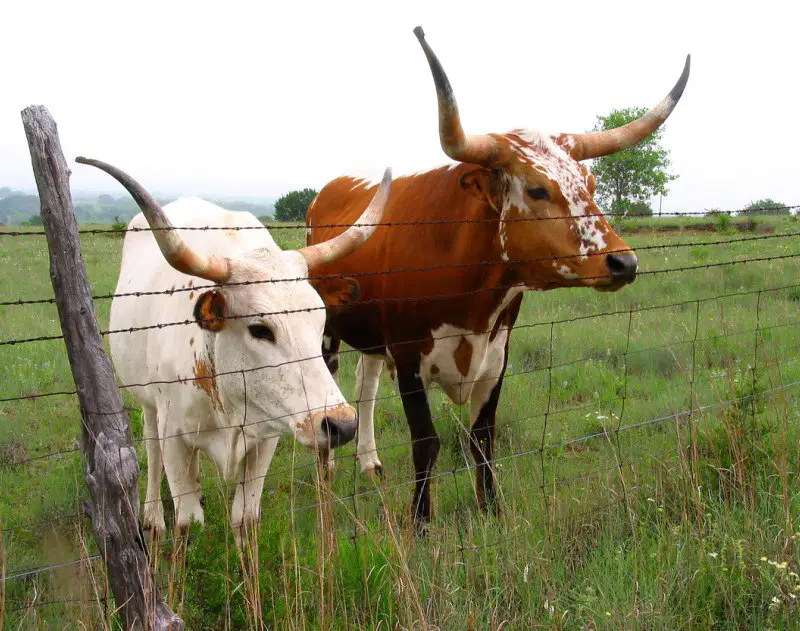
Look at the image-what is the result?
using barbed wire led to the close of the open range
longhorns were overproduced and almost went extinct
most farms had many cows to milk
more barbed wire in use meant cattle drives were needed
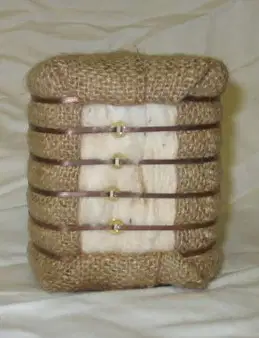
Texas cotton--late 1800s??
depended on steamboats to get it to market
price was determined by supply and demand
price was set by the Texas Senate
was better than the cotton from other states
What was the result of the actions of the buffalo hunters?
Native Americans were given farms under the Homestead Act
the disappearance of their economic base meant Native Americans moved to reservations
Native Americans had to start working in factories
Native Americans moved to Canada to live
What happened to Quanah Parker eventually?
assimilated into American culture
disguised himself as an American to hide from Texas Rangers
replaced as the chief of the Comanche
elected to serve in the US Congress
the buffalo soldiers were
American Indians
Mexican Americans
African Americans
Anglo Americans
Which industry did Texas lead after the Civil War?
manufacturing
ranching
fishing
tourism
Which is a negative effect of railroads coming to Texas?
easier to transport cattle to market
buffalo hunters killed thousands of buffalo from trains
Dallas grew into a huge population center
more vegetables shipped to market, so fresh food more available


