
NEW
Font size
 Worksheets
2.00 Reform Movements
Total questions: 15
Worksheet time: 11mins
What was an ideal of the Second Great Awakening?
God is vengeful and enjoys punishment.
Improving the world through good works might result in salvation.
Religion should be people's focus in life.
The best way to get into heaven is to attend revivals.
Which idea was part of the Second Great Awakening?
Responses
It is unnecessary to make society better.
Prayer is more important than actions taken in the world.
Religion should be people's focus in life.
The best way to get into heaven is to do good works on earth.
Who was a key leader of the Second Great Awakening and founded the Church of Jesus Christ of Latter Say Saints?
Joseph Smith
Horace Mann
Lynn Beecher
Charles Finney
How did religion influence reform movements during the antebellum period?
It stressed that inequality was part of life, and people should avoid changing it.
It encouraged people to improve the conditions of the world around them.
It convinced people that only the wealthy should better society.
It convinced immigrants that prayer would bring them wealth.
What was religion's role in starting reform movements during the antebellum period?
It encouraged people to attend church more often and pray for a better life.
It focused on equality of people, whether they were rich or poor.
It made people do fewer good works because they spent more time with prayer.
It convinced immigrants that prayer would bring them wealth.
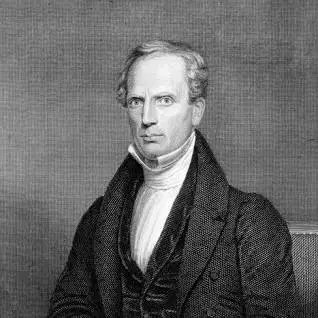
What was the role of preachers like Charles Finney in starting reform movements during the antebellum period?
He convinced immigrants that prayer would bring them wealth, making them feel more welcome in society.
He made people fear God, encouraging them to do more good works.
He preached a religion with democratic ideals, making people want democratic changes in society.
He believed that attending revivals was the key to going to heaven, causing people to change their daily routine.
How did the American education system begin?
Public schools were funded with tax money, keeping parents from having to pay tuition.
Public schools were paid for by wealthy donors in each state, making them free for most children.
Public schools were paid for only by the people that attended them, so many people were left out of the education system.
Public schools were free, so children of all backgrounds and races attended them.

Which characteristic did the first American public school system have?
It set up free schools, so children of all backgrounds and races attended.
It served only the people that attended the schools, so those people were the only ones that paid for education.
It had schools that were paid for by wealthy donors, making education free for most children.
It contained schools that were funded with tax money, keeping parents from having to pay tuition.

Which principle was the main guide for the creation of the first American public schools?
A good education should be paid for by parents.
An education should only be given to those in the upper class.
A representative democracy needs educated citizens.
A truly equal society needs people of all races and backgrounds to attend school.
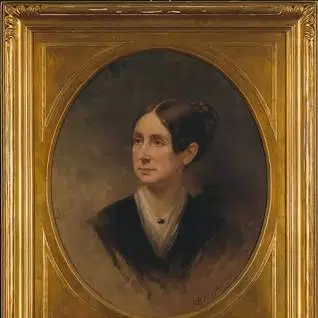
How did Dorothea Dix influence change in the nineteenth century?
She improved conditions for people with mental illness.
She published an anti-slavery newspaper.
She made education reforms by creating publicly funded schools.
She made speeches to argue against the use of alcohol.
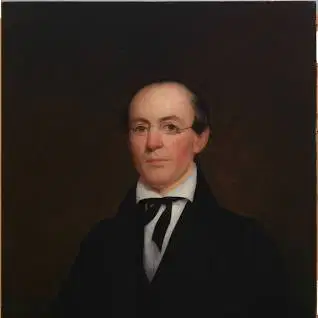
How did William Lloyd Garrison influence change in the nineteenth century?
He made speeches to argue against the use of alcohol.
He made education reforms by creating publicly funded schools.
He published an anti-slavery newspaper.
He improved conditions for people with mental illness.
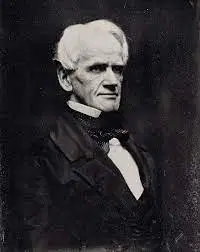
How did Horace Mann influence change in the nineteenth century?
He published an anti-slavery newspaper.
He made education reforms by creating publicly funded schools.
He pushed for the women's right to vote.
He made speeches to argue against the use of alcohol.
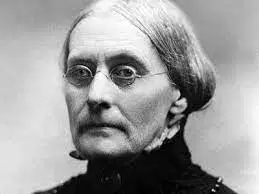
How did Susan B. Anthony affect the women's suffrage movement?
She was a traveling African American preacher who made speeches about abolition and women's suffrage.
She started a feminist newspaper that focused on abolition.
She created the National Women's Party, which was known for bold protests.
She served as president of the the National Women's Suffrage Association

How did Alice Paul affect the women's suffrage movement?
She created the National Women's Party, which was known for bold protests.
She served as president of the the National Women's Suffrage Association.
She started a feminist newspaper that focused on abolition.
She was a traveling African American preacher who made speeches about abolition and women's suffrage.
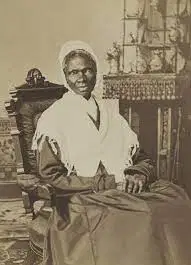
How did Sojourner Truth affect the women's suffrage movement?
She created the National Women's Party, which was known for bold protests.
She served as president of the the National Women's Suffrage Association.
She was a traveling African American preacher who made speeches about abolition and women's suffrage.
She started a feminist newspaper that focused on abolition.

