
 Worksheets
Water Resources
Total questions: 20
Worksheet time: 11mins
What part of the water cycle takes place when water vapor sticks to particles in the air and forms clouds?
Precipitation
Evaporation
Condensation
Water accumulation
What is an aquifer?
An underground area of rock and soil that is soaked with water.
A freshwater source that is frozen year round.
A river that runs through a mountain.
An open area where glaciers melt.
How much of Earth’s water is fresh water?
1 percent
3 percent
77 percent
97 percent
Which of the following does not make up part of Earth’s surface water?
wetlands
rivers
aquifers
lakes
A rock’s ability to allow the flow of water through it is called
permeability
porosity
recharge
distribution
underground formation containing groundwater
Aquifer
flowing network of surface water
river system
area of Earth’s surface where water percolates
down into the aquifer
recharge zone
area of land drained by a river
watershed
water stored under Earth’s surface
groundwater
Often water must be treated to become _______, safe to drink
pathogen
potable
clarified
bonifide

Purification of salt water or brackish (slightly salty) water by removal of dissolved salts
distillation
desalination
reverse osmosis
microfiltration
Which category uses the most water?
agriculture
cooling systems
industrial
residential
In order to combat the depletion of fresh water, we must _______.
pay more money for it
use only salt water
conserve water
create water from asteroids.
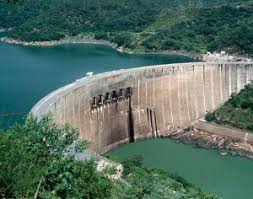
The image here is how humans control rivers for the last few hundred years. This is
diverting water thru canels
create an aquaduct
damming a river
desalination plant
A virus, microorganism, or substance that causes disease
pollution
pest
pathogen
Artificial lake behind a dam
pond
river
reservoir
aquifer
Point source pollution and non-point source pollution differ in
biological agents causing pollution
the source of pollution is agricultural
the number of sources from which the pollution is discharged
pollutants are chemical or physical
What is more affected by bio magnification?
zooplankton
fish
plants
top of the food chain
In eutrophication, what does 'algal bloom' refer to?
The rapid increase in the number of bacteria
The rapid increase in the number of plants
The rapid decrease in the number of fish
The rapid increase in the amount of nitrates in the river
A power plant requires a supply of fresh water from a lake to cool down its equipment. Once the water is used to cool down the equipment, the water is now hot and it is released back to the lake. What type of pollution is this?
non-point pollution
point-source pollution
thermal pollution
groundwater pollution
Select the term or phrase that best matches the description.
-accelerated build-up of nutrients caused by humans
thermal pollution
wastewater
biomagnification
artificial eutrophication
Sources of ocean pollution include
oil spills
direct dumping of wastewater
activities on land
All of the above
What can happen to fish when there is not enough oxygen in the water?
They can suffocate
They can't float
They can't see.
Nothing. Fish don't need oxygen.

