
NEW
Font size
 Worksheets
cyber security intro
Total questions: 18
Worksheet time: 9mins
A phishing email is one which:
requests a payment for goods you have not received
offers you products in which you may have no interest
encourages you to click on a link to a fraudulent website
contains abusive and threatening language
A phishing email is one which:
requests a payment for goods you have not received
offers you products in which you may have no interest
encourages you to click on a link to a fraudulent website
contains abusive and threatening language
A phishing email is one which:
requests a payment for goods you have not received
offers you products in which you may have no interest
encourages you to click on a link to a fraudulent website
contains abusive and threatening language
If you receive an email from a well-known company, but its name is misspelt in the sender’s address, you should:
click on the link in the email to check if it’s genuine
reply, pointing out the error
report it as a possible phishing scam
forward the email to a friend to check
Gaining unauthorised access to someone else’s computer files is known as:
copyright infringement
hacking
virus attack
data theft

What is the most probable reason for a young person to launch a cyber attack?
Fun
Financial Gain
Denial of Service
Phishing
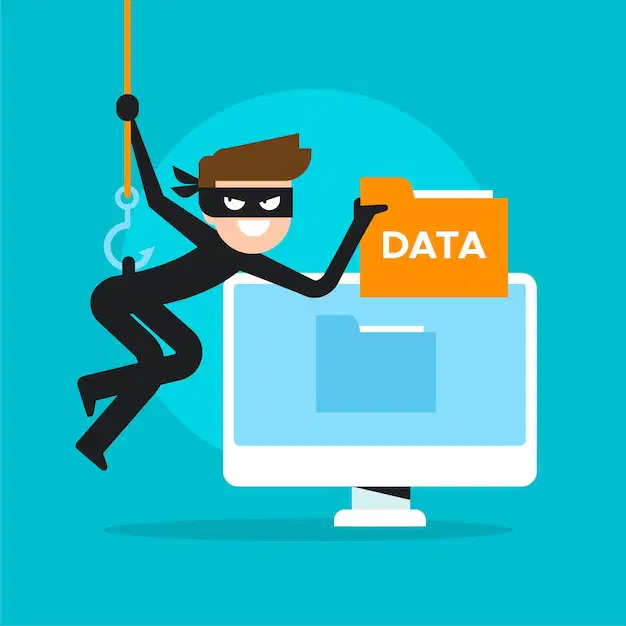
The image shows what cause of a cyber attack
Fun
Personal attack
Disruption
Data theft
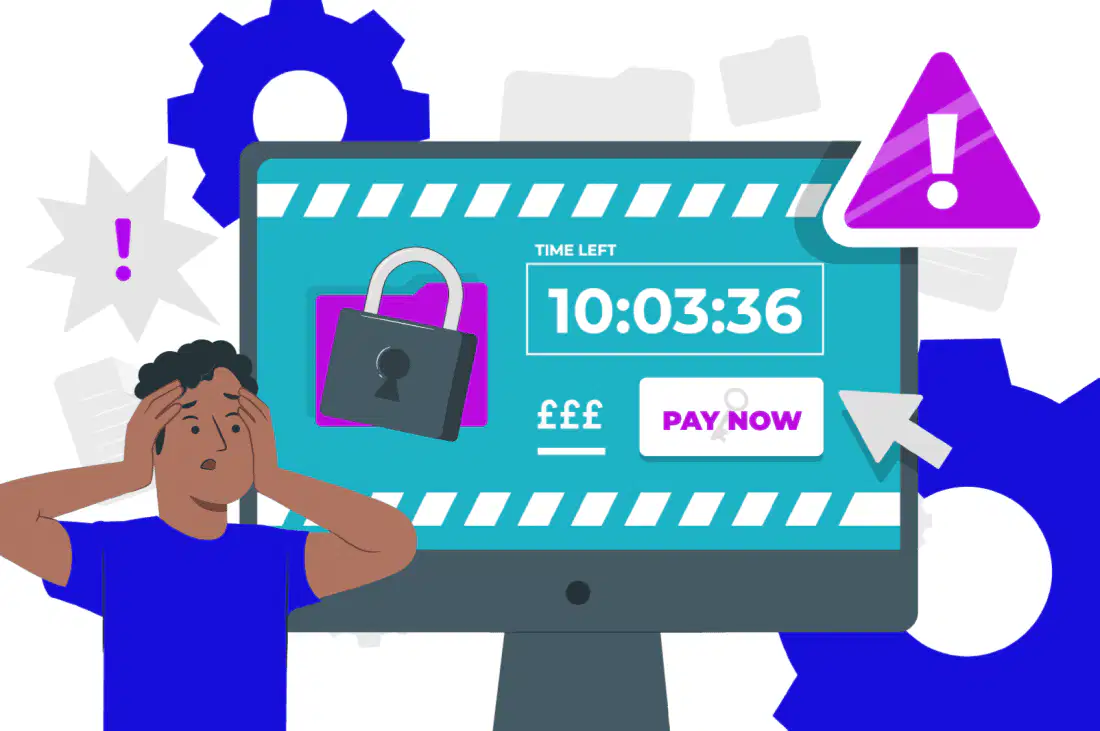
The image shows what most probable cause of a cyber attack?
Personal attack
Fun
Financial Gain
Disruption
What software is used to scan for and remove malicious software from your computer?
Firewall
Anti-Virus
Interface Design
Encryption
Which of these can keep your system safe?
A regularly updated anti-virus
A firewall
Automatic software updates
All of these
You are working at a computer in public. A bill is due so you access your account to pay with your credit card. Someone is trying to see your credit card number. This is an example of
Shoulder surfing
Dumpster Diving
Malware
Phishing
What does a DOS do?
Floods a server with requests causing it to go offline
Puts a virus file onto your computer
Gets users to share sensitive information through a false pretext.
It is action taken to fix something that has gone wrong.
What do we call programs that contain additional functionality designed to secretly monitor your activities on your computer.
Spyware
Adware
Rootkit
Botnet
What do we call a malicious software program loaded onto a user’s computer without the user’s knowledge to perform malicious actions. (It can replicate itself)
Virus
Rootkit
Trojan Horse
Adware
This scam redirects you to a different but malicious website that looks just like the website you thought you were accessing.
Pharming
Phishing
Trolling
Baiting
What does ransomware software do?
Steals information from your computer
Locks and encrypts your computer and asks for money
Robs you
Obtains sensitive information by shoulder surfing.
Industrial espionage is...?
When a remote computer is attacked and made unable to respond to legitimate user requests.
A cyberattack that sends spam messages to try and trick people to reply with desired information.
A measure of effectiveness – how long it takes an employee to produce an item for sale.
Stealing private information from a company to benefit the organisations competitors
A personal attack is when
a remote computer attacks a system making it unable to respond to legitimate user requests
additional settings or program codes are used to fix vulnerabilities in a system.
someone,such as an ex employee attacks an organisation because they hold a grudge against the employer or organisation
sensitive personal information is obtained from a user by looking over their shoulder while they use a digital device.

