
Font size
 Worksheets
English and biology class
Total questions: 20
Worksheet time: 11mins
Vertebrates are known for...
have skeleton
have no skeleton
consist of cells

Hipopótamo en inglés es ...
(a)
The snail is an invertebrate animal.
TRUE
FALSE
Which animal does not belong to the group of vertebrate animals?
Trout
Bear
Budgie
Spider
The mollusks are from the group...
Insect
Vertebrate
Invertebrate
Mark an amphibious animal to watch.


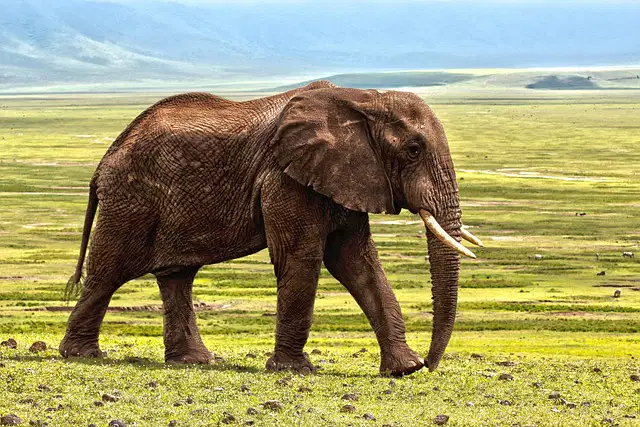
The elephant is...
Fish
Reptile
Mammalian
Amphibious
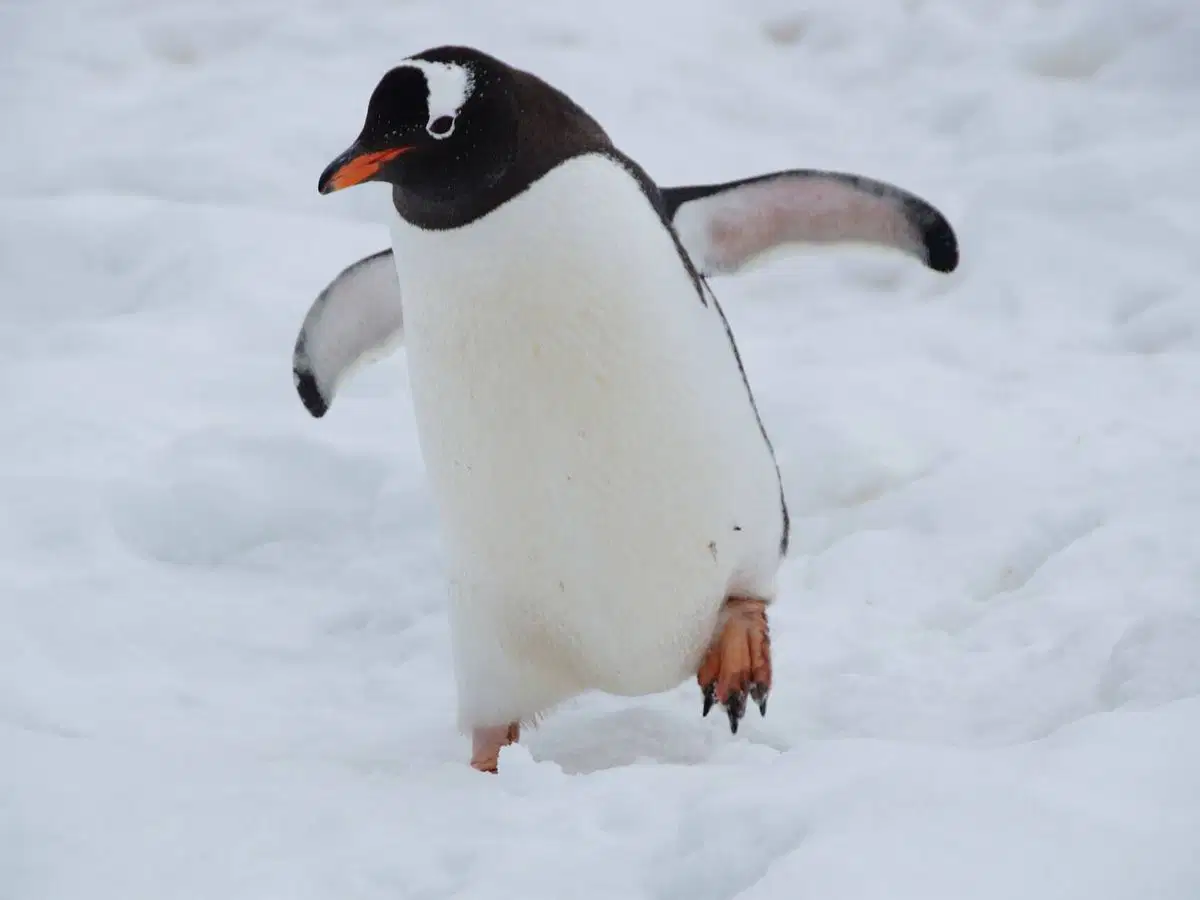
A penguin is a bird.
FALSE
TRUE
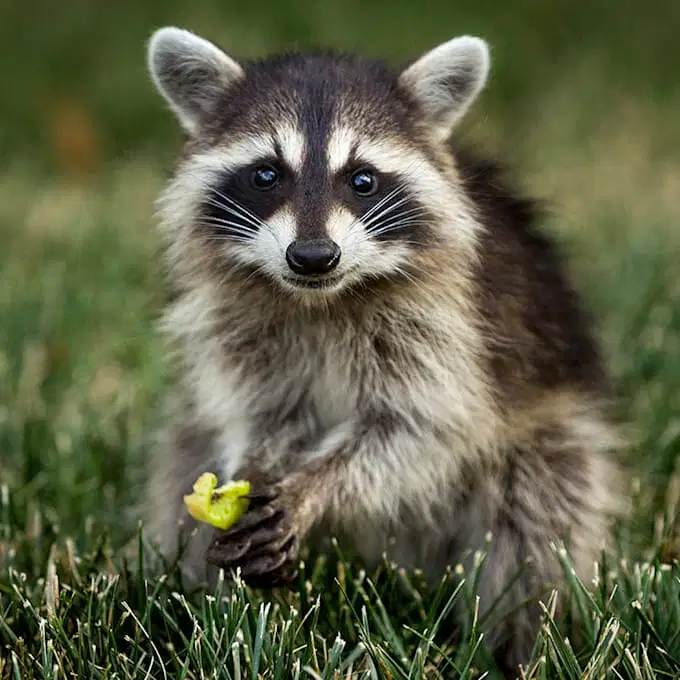
Who i am?
Racoon
Rooster
Snail
Sloth
Sparrow in spanish is...

Gamba

Gorrión

Serpiente

Ostra

Is the dolphin a mammal or a cetacean?
mammal
cetacean
both are correct

What are called animals that only eat plants?
oviparous
vegetarians
herbivorous
vegans
plantarous
What animals reproduce asexually?
bats
wasps
star of the sea
aliens
Which of these animals is a reptile?
Pigeon
Ladybug
crocodile
The carnivores eat...
Ice cream
chocolate
meat
pizza
plants

We human beings are...
mammals
immortals
people
carnivores
reptilians
Invertebrate animals are those that...
They have no internal skeleton and all are oviparous.
They have an internal skeleton and can be oviparous or viviparous.
They have no internal skeleton and can be viviparous or oviparous.
A cockroach is ...
amphibian
Insect
monster
reptil
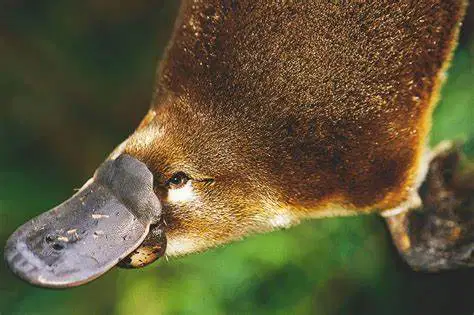
A platypus is...
Reptile and viviparous
mammalian and viviparous
mammal and oviparous
No one of them is correct

What are the three vital functions?
Drink, eat and sleep.
Nutrition, relationship and maturation.
Nutrition, relationship and reproduction.
All the answers are correct.

