
 Worksheets
Macromolecules
Total questions: 11
Worksheet time: 8mins
Which of the following is not a major class of biologic macromolecule?
Carbohydrates
Lipids
Nucleic Acids
Proteins
All of these are major classes of biologic macromolecules
What can happen to an enzyme in a non-optimal (too high, too low) pH?
They denature
They change shape
They stop or change functioning
All of these could happen
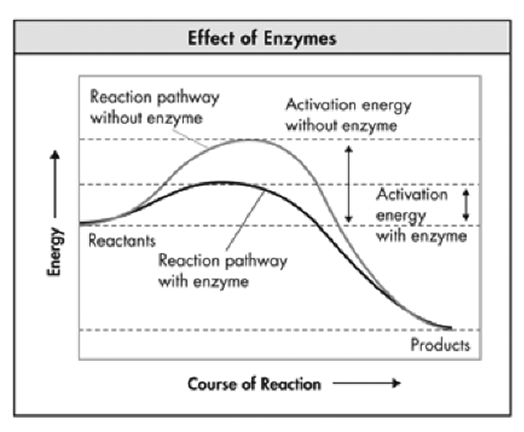
Enzymes increase the energy of the reactants.
Enzymes decrease the energy level of the products.
Enzyme decrease the activation energy of the reaction.
Enzymes reverse the direction of the reaction.
None of these
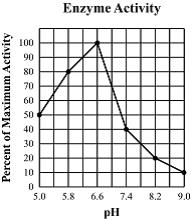
The optimum pH of the enzyme is 6.6.
The optimum pH of the enzyme is 5.8
The enzyme’s activity increases as pH increases 5.0 to 9.0
The enzyme’s activity is greater around pH of 8.0 .
None of these
Which of the following elements are found in all macromolecules? (Select all that apply).


All of these
Which macromolecule is used as our main source of active energy?
Lipids/Fats
Nucleic Acids
Proteins
Carbohydrates
None of these

carbohydrate

lipid

protein

nucleic acids (mostly)
Match the following MONOMERS and MACROMOLECULES

Nucleic Acid

Protein

Lipid

Carbohydrate
Nucleotides
Monosaccharides
Amino Acids
Glycerol and fatty acids
None of these

stores energy long term
catalyst
stores genetic information
composes the majority of the cell membrane
Active energy
A _________ reaction removes a molecule of water to bond molecules together to create a polymer.
hydrolysis
water
dehydration synthesis

magical
None of these

