
NEW
Font size
S
M
L
XL
 Worksheets
GRADE 6 REVIEW
Total questions: 20
Worksheet time: 10mins
Name
Class
Date
1.
What is the amount of matter in an object?
a)
mass
b)
gravity
c)
friction
d)
weight
2.
What does friction do to objects?
a)
it creates heat
b)
it wears objects away
c)
it causes moving objects to slow down
d)
all of the above
3.
Which of the following surfaces will have the greatest friction?
a)
an icy field
b)
a newly-waxed floor
c)
a cemented ground
d)
a sandy beach
4.
What is a kind of energy that travels through space in a straight line?
a)
heat energy
b)
sound energy
c)
light energy
d)
electrical energy
5.
Which of these objects best exemplifies sound energy?
a)
Option 1
b)
Option 2
c)
Option 3
d)
Option 4
6.
What does the Law of Conservation of Energy state?
a)
Energy can either be created or destroyed, and can transform from one form to another.
b)
Energy can neither be created nor destroyed, but can transform from one form to another.
c)
Energy can neither be created nor destroyed, and cannot transform from one form to another.
d)
Energy can be created but not destroyed, but can transform from one form to another.
7.

When you strum an acoustic guitar, what energy conversion is exhibited?
a)
electrical to sound
b)
sound to heat
c)
mechanical to sound
d)
sound to light
8.
A ball is rolled to the left. If no force at all acts upon it what will happen to the ball?
a)
It will suddenly stop
b)
It will heat up and explode.
c)
It will produce its own light.
d)
It will not stop.
9.
Which does NOT belong to the group?
a)
flagpole
b)
venetian blinds
c)
chisel
d)
elevator
10.
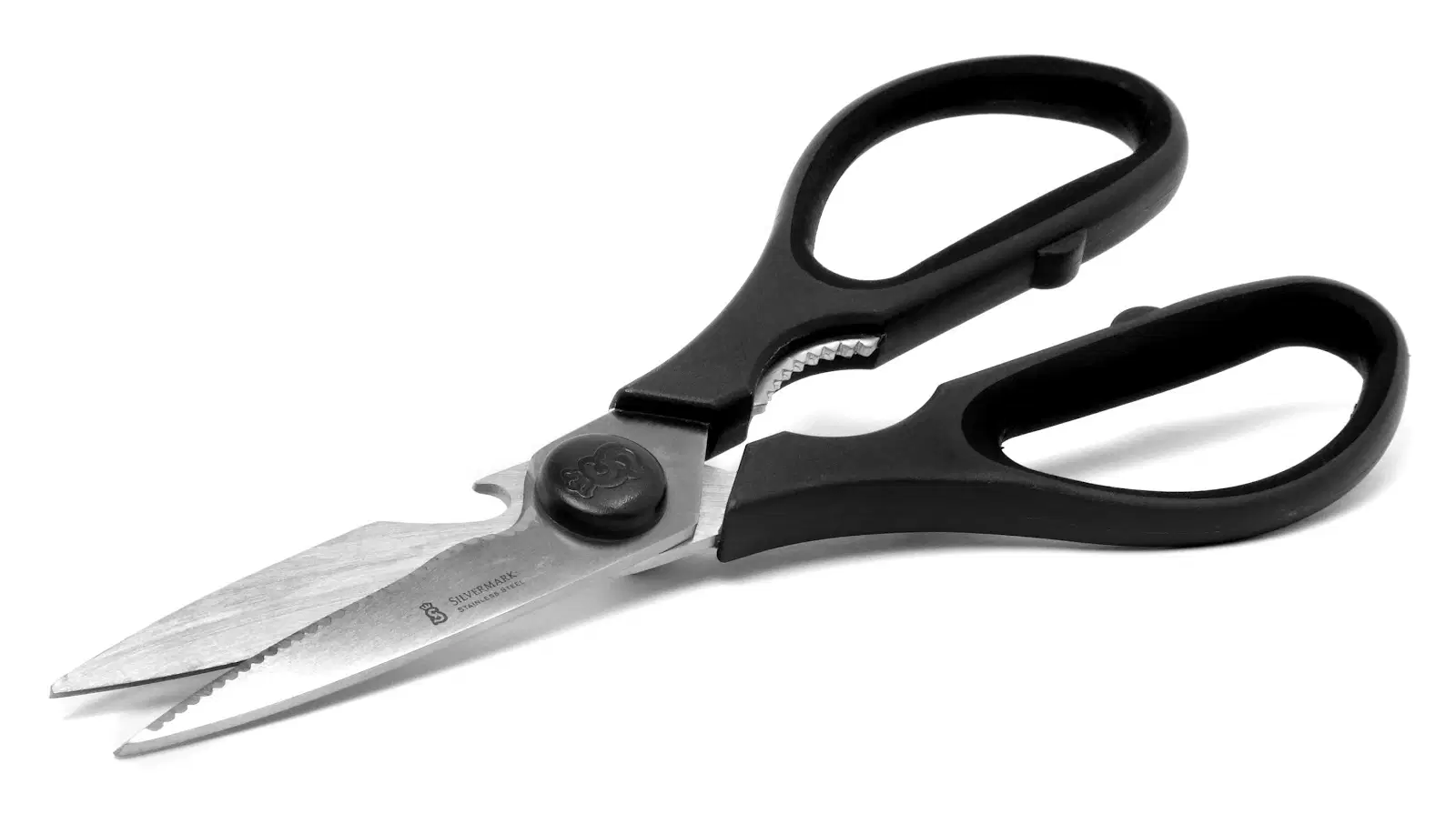
This is an example of a:
a)
1st class lever
b)
2nd class lever
c)
3rd class lever
d)
4th class lever
11.

Do slugs have shells?
a)
Yes, they have external shells.
b)
Yes, they have internal shells.
c)
No, they have wings, though.
d)
No, they have pearls inside them.
12.
Which of these statements is true?
a)
All vertebrates have furry bodies.
b)
Invertebrates have highly developed brains.
c)
Invertebrates outnumber vertebrates.
d)
All invertebrates have segmented bodies.
13.

Amobea use their false feet in order to move or swim around in the environement. What doe we call these false feet?
a)
pseudopodia
b)
cilia
c)
flagellum
d)
emobium
14.
Mammals and birds are warm-blooded animals. What does it mean when an animal is warm-blooded?
a)
it can regulate its own body temperature
b)
it cannot regulate its body temperature
c)
it needs to go to warm places to warm up
d)
its body has an acidic nature which feels hot to the touch
15.
These are animals that have spindle-shaped bodies, feathers and wings, and hollow bones.
a)
mammals
b)
birds
c)
fish
d)
reptiles
16.
What are vertebrates that have moist skin, three-chambered hearts, and lives partly on land and on water?
a)
mammals
b)
amphibians
c)
fish
d)
reptiles
17.
What is very distinct in marsupials?
a)
their highly developed brains
b)
their blowholes
c)
their abdominal pouch
d)
their blubber
18.
What is the most common distinction between monkeys and apes?
a)
the difference in the size of their heads
b)
the prescence or absence of fangs
c)
the prescence or absence of a tail
d)
the amount of fur in their bodies
19.
What is the most common distinction between alligators and crocodiles?
a)
the shape of their legs
b)
the shape of their teeth
c)
the shape of their tails
d)
the shape of their snouts
20.

Which is true about sharks?
a)
Sharks are herbivorous animals.
b)
Sharks will sink if they do not keep swimming.
c)
Sharks are warm-blooded animals.
d)
Sharks are considered mammals, not fish.
Reset

