
 Worksheets
NPN Transistor Soldering
Total questions: 10
Worksheet time: 5mins

These are examples of
Insulators
Conductors
A conductor
Is usually a metal
Conducts heat
Can be a copper wire
All of the above
What is the difference between a conductor and an insulator?
An insulator allows an electrical charge & heat to flow through it easily and a conductor does not
A conductor allows an electrical charge & heat to flow through it easily and an insulator does not.
An insulator is magnetic and a conductor is not.
An insulator and conductor are two names for the same thing.

A transistor is essentially what?
An output device
An electronic switch
A deivce that limits the flow of power
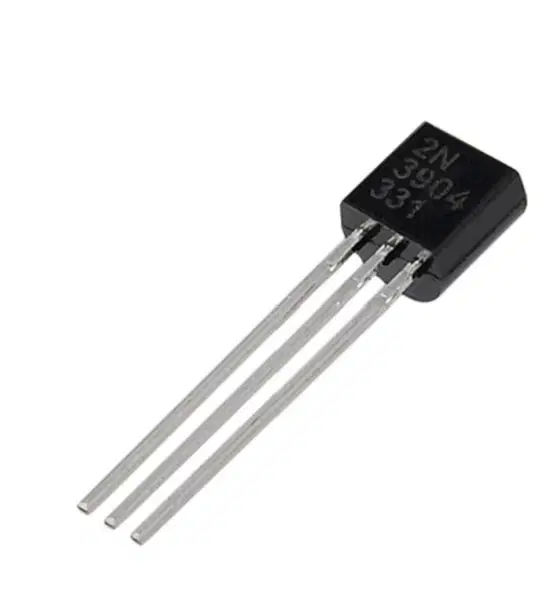
What are the 3 legs of a transistor called?
Base, Electrode, Commiter
Bridge, Collector, Extruder
Base, Collector, Emitter
Anode, Cathode, Gate
A soldering iron can reach what temperature?
200 - 300 deg C
100 - 200 deg C
More than 400 deg C
50 - 100 deg C
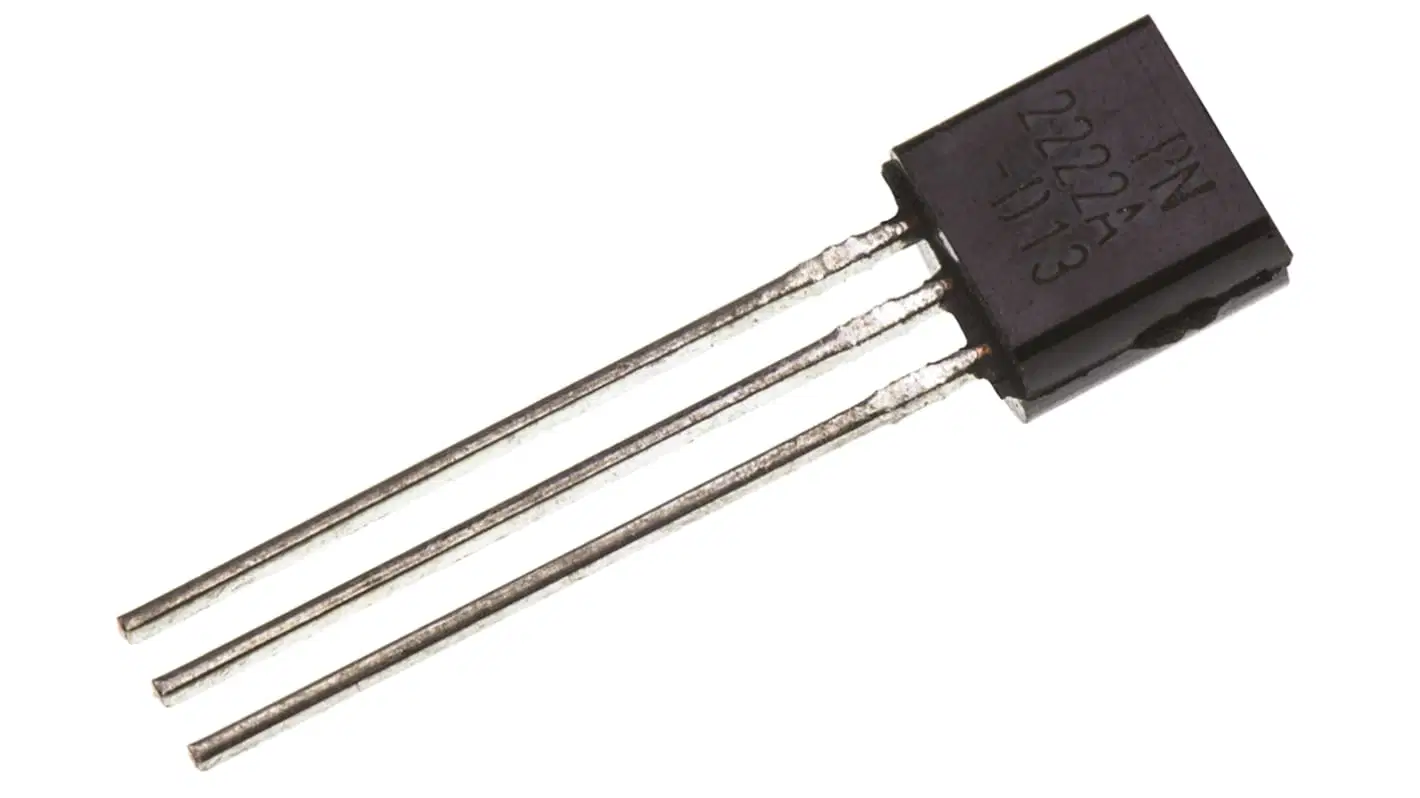
What precaustion must we take when soldering an NPN Transistor
Protect the component from electrical charge
Protect the component from heat
Protect the conpomonent from static discharge
Protect the component from air
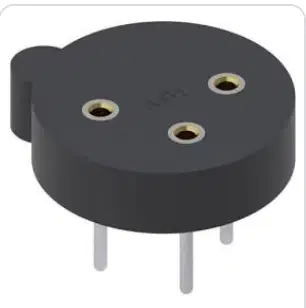
Why is a housing unit soldered to the PCB and the Transistor then inserted to the housing?
The legs are two close together
The Transistor legs are too small to use a heat sink
Heat from the soldering iron would damage the Transistor internals
Transistors are very unreliable and it is easier to change them when they are fitted to a housing

Select the picture that shows a prefect soldering.


Where should the iron be stored when not in use?
Stand
On a special heat proof mat

