
 Worksheets
Unit 8 8.11ABC
Total questions: 238
Worksheet time: 4hrs 58mins
A community of organisms and their abiotic, or non living, environment
ecology
ecosystem
biocentrism
biotic factor
The study of the interactions of livng organisms with one another and with their environment
ecology
ecosystem
biology
philosophy
An environmental factor that is not associated with the activities of living organisms
biome
biotic
abiotoic
parasitism
An environmental factor that is associated with or results from the activites of living organisms.
abiotic
parasitism
decomposer
biotic
a group of organisms of the same species that live ina specific geographical area.
community
population
parasitism
predator
all of the populations of a species that live in the same habitat and interact with eachother
community
decomposer
food web
parasitism
an organism that can make its own food by using energy from its surroundings
consumer
producer
abiotic factor
redshift
an organism that gets energy by breaking down the remains of dead organisms or animal wastes and consuming or absorbing the nutrients
consumer
producer
decomposer
prey
an organism that eats other organisms or organic matter
consumer
producer
decomposer
biologist
an organism that kills and eats all or part of another organism
food web
consumer
predator
prey
an organism that is killed and eaten by another organism
predator
prey
decomposer
biologist
a diagram that shows the feeding relationships between organisms in an ecosystem
decomposition
commensalism
ecosystem
food web
a relationship between two species in which one species benefits from the other species which is harmed.
parasitism
commensaalism
mutualism
symbiotic
a large region characterized by a specific type of climate and certain types of plant and animal communities
population
runoff
estuary
biome
an area of land that is periodically underwater orwhhose soil contains a great deal of moisture
wetland
estuary
biome
population
an area where fresh water mixes with salt water form the ocean
biome
estuary
wetland
food web
precipitation that flows over the land and into streams and rivers
estuary
wetland
runoff
biome
catching or removing from a population more organisms than the population can replace
artificial reef
parasitism
biomes
overharvesting
a human-made structure that is built or placed underwater for the purpose of replacing depleted or of enhancing existing coral reef ecosystems
estuary
artificial reef
overharvesting
wetland

What would be true if the rabbit population increased?
The bacteria population will decrease
The hawk population would increase
There may be increases in wolves, hawks, and snakes.
Grasshopper populations would increase

What could be changed about the food web to make it more accurate?
Remove bacteria because they are not in the forest
Change arrows to go in opposite direction
Show arrows going from all organisms to fungi and bacteria
Draw arrows from the Sun to all organisms
Prairie dogs live in complex tunnels underground and compete with other herbivores in the ecosystem. Which is the abiotic factor in this situation?
Prairie dogs
Underground habitat
Other herbivores
Grasses
Which abiotic factor(s) do plants compete for in order to make their own food?
water ONLY
sunlight ONLY
wind ONLY
water AND sunlight
Which is NOT an example of an abiotic factor?
Sunlight
Wind
Fungi
Water from a stream
Which is a true statement?
Biotic factors only rely on abiotic factors to survive.
Abiotic factors include all living things in the ecosystem.
Abiotic factors include sun, water, and plants.
Biotic and abiotic factors are both necessary for a sustainable ecosystem.
Which is the most likely outcome to the organisms in an ecosystem near the site of a nuclear disaster?
Organisms could develop mutations in their DNA
Animals will move to another location
All animals will become extinct
Animals will be impacted but plants will not
What is the most likely adaptation for a rabbit population which once lived in the snow but now lives in shrubs and rocks due to increased global temperatures?
They will see an increase in fur production
They will become better swimmers
They will grow longer ears
Their coats will be darker
Controlled forest fires are often used to clean up the underbrush of an ecosystem to promote a healthier ecosystem. How would they impact the organisms in the ecosystem?
Organisms may have to temporarily move
All organisms will die in the fire
Only plants and trees will be impacted
All organisms will increase in population in the first month after the fire
How are phytoplankton similar to small trees?
Both grow in soil
Both conduct photosynthesis
Both are about the same size
Both are at the top of the food chain

Which is MOST likely to happen if a large number of phytoplankton are killed from runoff entering the ocean?
The number of zooplankton would increase
The number of salmon would probably decrease
The number of porpoises would probably stay the same
The Sun would probably not emit as much energy

What conclusion could you make based on the graph?
Nitrogen is NOT a problem in the Gulf of Mexico
Corn and soybeans are the only sources of Nitrogen pollution
Most nitrogen pollution found in the Gulf comes from farming crops.
Nitrogen that comes from the atmosphere is most harmful.

Which relationship is true according to the food web?
Phytoplankton prey on crayfish
Flamingos are predators of crayfish
Shrimp get nutrients from zooplankton
Shrimp have three predators.
How does biodiversity help an ecosystem?
There are many types of foods if one becomes unavailable
Organisms can move around a lot
Organisms eating food will die and more will eat the food

Trees grow taller to compete for -
soil
air
sunlight
good temperature range
The living part of an ecosystem (8.11A)
Biotic
Abiotic
Mother Earth
Flowers

The non-living part of an ecosystem (8.11A)
Ocean
Lava Flow
Birds
Abiotic
Where the better adapted organisms survive to pass traits along to offspring. (8.11B)
Evolution
Natural Selection
Extinction
Artifical Selection
What human activity affects the environment in such a way that algae blooms increase? (8.11C)
agriculture
fertilizer run off increases nutrients in ground water
people contaminating fresh water sources
all of the above
Who causes the most damage to coral reefs? (8.11C)
Whales
Fish
Boats
Humans
A man made, underwater structure that promotes the growth of reef dwelling aquatic organisms. (8.11C)
Corral reefs
Artificial reefs
organisms
food
Which of the following is an example of an abiotic factor? (8.11A)
Plant
Animal
Bacteria
Sun
A biotic factor is ... (8.11A)
something that is living or once lived
something that was never alive
something that is living and then died
something that is dead
Which of the following do organisms compete for? (8.11A)
Food
Water
Shelter
Space
All of them
As resources increase, competition .... (8.11A)
increases
diminishes
remains the same
Natural disasters are examples of ________ ecological change (8.11B).
long-term
short-terrm
no-term
Climate change and plate tectonics are examples of _____ environmental change (8.11B).
long-term
short-term
no-term
If organisms have to migrate or die, they are facing _____ environmental change (8.11B).
no-term
long-term
short-term
When organisms have to adapt or die, they are facing ____ environmental change (8.11B).
short-term
long-term
no-term
Which process is responsible for carrying fertilizers that have been applied to crops into bodies of water, such as a river? (8.11C)
Runoff
Evaporation
Ocean Currents
Tectonic Plate movement
Coral reefs are endangered by ... (8.11C).
climate change
overfishing
pollution
all of the above

Which of the following describes a negative consequence of commercial fishing? (8.11C)
Removal of invasive species
Ocean food webs become imbalanced
Increased dissolved oxygen concentration
Fishing vessels cause water to warm up
Temperature, light, air, water, and soil are all _____ parts of the environment (8.11A)
alive
biotic
abiotic
living
Is a deer an abiotic or biotic factor? (8.11A)
abiotic
biotic
Is a fern an abiotic or biotic factor? (8.11A)
abiotic
biotic
Which of the following is not an abiotic factor? (8.11A)
sun
temperature
soil
grass
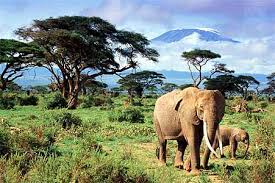
What are the biotic factors in this image? (8.11A)
sunlight, elephants, and grasses
sunlight, water, and air
elephants, plants, trees
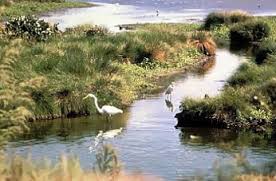
What are the abiotic factors in this image? (8.11A)
water, sunlight, dirt, air
birds and plants
water, plants, and birds
A certain plant needs moisture, carbon dioxide, oxygen,light, and minerals to survive. This scenario shows that this particular living organism depends on . (8.11A)
Biotic and Abiotc Factors
Biotic Factors
Abiotic Factors
None of the Above
Is a dead fern biotic or abiotic? (8.11A)
biotic
abiotic

An eagle eats fish to get the energy it needs to survive. Where do you think the fish gets its energy?

Where does the energy in all food webs/chains begin?
Sun
Seeds
Clover
Rattlesnake
Each organism listed below has a different role in the transfer of energy through an ecosystem

Producer

primary consumer

secondary consumer

tertiary consumer

decomposer

All plants need sunlight to grow. Which plant would you expect to grow better in a field of tall grasses--a sunflower grows very tall, or a flower variety that grows low and close to the ground? Explain!!!

Which statement best explains a difference between Plant 1 and Plant 2?
A
B
C
D

Species Z can successfully share the same environment with the other plants shown becuase species Z absorbs water--
A
B
C
D

Besides sunflower, there are other plant populations, like (a) , growing in this same field. Grass cannot reproduce with the (b) . However, they can interact with the sunflowers by (c) for water or sunlight.

Reorder the following from smallest to biggest. Use the picture if you need help.
Individual
Population
Community
Ecosystem

-A population is a group of (a) of the same species that live and reproduce together.
-A community is made up of different (b) that interact with each other.
-An ecosystem consists of (c) interacting with the nonliving environment.

Match the following to biotic or abiotic

Abotic

Abiotic

Biotic

Biotic

Abiotic

Immediately after a forest fire, the primary consumers in the area will compete most for which biotic factor?
A
B
C
D

Which statement best describes one way sea anemones depend on clown fish for an abiotic factor in an ecosystem?
F
G
H
J

Plants compete for (a) factors such as light, good soil, space to grow, and water. They also compete to attract some (b) factors such as insects that pollinate them, and to avoid other, such as (c) that might eat them.

Animals (a) with each other for (b) factors such as water and shelter. They compete for (c) factors such as other animals they eat. They also may compete to (d) biotic factors such as animals that eat them or cause disease.

Plants have many adaptations tha thelp them survive in their environment and compete with other plants for limited resources. The statements below describe some plant adaptations.
-Growing tall helps a plant (a) .
-Having sharp thorns helps a plant (b) .
- Long, deep roots help a plant (c) .
-Thick waxy leaves help a plant (d) .
-Brightly colored flowers and sweet nectar help a plant (e)

What type of leaves are most likely found on plants that are best suited to living on the floor of a dense forest?
F
G
H
J

By sprouting in the rain forest canopy, the strangler fig seedling is exposed to more --
A
B
C
D

The Couch's spadefood is adapted to a certain type of environment. Which of these resources is most likely scarce in this environment?
A
B
C
D

Which types of native organisms do feral hogs most likely compete with for food sources?
F
G
H
J

Which statement is the best prediction the students can make about the immediate future of the pond?
F
G
H
J

Water with which of these conditions would cause the most competition for resources among all three species of fish?
A
B
C
D

How does this chemical help black walnut trees compete with plants growing nearby?
A
B
C
D

Based on the graph, which ranch animals compete for the most food with white-tailed deer?
A
B
C
D

Plants obtain the majority of the carbon necessary for building these structural molecules from --
F
G
H
J

A scientist was studying the growth of two similar species of Paramecium, a unicellular protist. She placed the organisms in a sterile petri dish with nutrient-rich food source. The graph shows how the population of the two species changed over time.
Which of these most likely explains why the population of Species 2 decreased after increasing for a short time?
Species 2 became diseased and died.
All the food in the petri dish was consumed
Species 1 individuals ate all the Species 2 individuals
Species 1 had a competitive advantage over Species 2

Which of these most likely explains why the bacterial population stopped growing?
A
B
C
D
Special terms to describe what an organism eats:

Carnivore- secondary consumer (eats only animals)

herbivore-primary consumer (eats only plants)

producer-eats sunlight & water

Omnivore-(eats both plants and animals)

Which organisms in the food web shown above compete for the same food source in this environment?
A
B
C
Df

The movement of water across their gills is necessary for --
F
G
H
J

Which graph shows a situtation in which the number of predators in a population depends on the number of prey?
F
G
H
J

Based on these data, which hypothesis was Connell most likely testing?
F
G
H
J

If Species B were removed from the rocky areas it shares with Species A, Species A would most likely inhabit --
F
G
H
J

At which temperature range will there be the most competition for space among these fish species?
F
G
H
J

Which of the following best summarizes the effect of saltwater on these plant species?
F
G
H
J
Drag each organism to the correct blank to show how energy moves through a tundra food chain


Drag the correct organism to each blank to compete the sentences, based on the relationships shown in the food web on the left. Not all organism will be used.
-Fish eat (a) and are eaten by (b) .
-Frogs eat mayflies and (c) .
-Dragonflies, salamanders, and frogs all eat (d) .

-The producer in the food web is the (a) .
-The producer gets its energy from (b) .
-One way that energy flows through the food web is from (c) to mayflies to (d) to (e) to herons.

There is (a) energy at the top of the energy pyramid than at the bottom.
(a) are always at the bottom of an energy because, as a group, they contain the (b) energy.
(a) are always at or near the top of an energy pyramid because they contain (b) energy than other groups of organisms.

A population of beetles has individuals that are either green or brown, depending on certain genes. The green beetles are best able to hide from predators in lush, green vegetation. The brown beetles, on the other hand, are best able to hide on bare, brown soil. A period of drought reduces the amount of plant growth one year.
How is this change most likely to affect the beetle population?
Select two correct answers.
The # of brown beetles will decrease
The # of brown beetles will increase
The # of green beetles will increase
The # of green beetles will decrease

Select all the activities that harm ocean ecosystems
Introducing invasive species
overfishing
polluting with harmful chemicals
building artifical reefs
using chemical fertilizers on land near the ocean
Drag each word to the correct blank to complete the description of how farming can affect an ocean ecosystem.
Excess (a) washes into streams and rivers that empty into the (b) , causing too much (c) to grow. Later, (d) feed on the dead algae and use up the (e) in the water, causing fish and other marine organisms to die.

Which of these human activites are most likely to change which species are found in an ocean region?
Select three correct answers.
Closing a beach when turtle eggs are hatching
Introducing an invasive species that competes with native species
Opening a new area of the ocean to whale-watching cruises
Increasing chemical fertilizer runoff that flows into the ocean creating dead zones
Increasing fishing during the breeding season

Buffelgrass is an invasive speceis of grass from Africa that outcompetes native Texas grasses for space and water.
Which long-term change ot a Texas grassland would most likely occur due to the introduction of buffelgrass?
The population of native grasses will increase
The population of native grasses will decrease
Buffelgrass offspring will develop traits like those of native grasses
Buffelgrass offspring will develop traits like those of other invasive species.

Which of these is most likely observed in an area experiencing a long-term drought?
F
G
H
J

Tiny organisms call Daphnia live in lakes and ponds where they consume algae. A lake with a stable population of algae and Daphnia population was contaminated by pollution, resulting in the death of many algae.
Which graph shows the most likely trend in the Daphnia population in the lake shortly before and after the pollution event?


Which statement best predicts the change in subsequent populations of these seed-eating birds if the availability of small seeds decreases?
A
B
C
D

How will the changes in the availability of caterpillars most likely affect future populations of P. major ?
A
B
C
D

Which short-term effect will most likely result from a year with more heavy rain than normal?
A
B
C
D

Which reference is best supported from the researchers' observations?
A
B
C
D

Which statement describes the most likely effect of this environmental change on this population of monarch butterflies?
F
G
H
J

What most likely happened?
A
B
C
D

What likely effect would increased rainfall over several rainy seasons have on the population of wildebeests, lions, and cheetahs?
A
B
C
D

What is the most likely explanation fro the body-size distribution of house sparrows shown on the map?
A
B
C
D

What happened to brown pelican populations as a result of DDT use by humans?
A
B
C
D

If global climate change leads to the elimination of snow in the habitat of white-tailed ptarmigans, which adaptation is most likely to occur over many generations?
F
G
H
J

What characteristic of daphnia allows the population to adapt to environmental change?
F
G
H
J

How was the guam rail most likely affected by the introuction of the brown tree snake?
A
B
C
D

Which statement best explains why biodiversity in the Baltic Sea could decrease if these changes occur?
A
B
C
D

What would be the most likely result of an accidental spill of these compounds in an aquatic environment?
F
G
H
J

What contributed to this change?
A
B
C
D

To successfully live in an estuary, a plant species must have an adaptation that allows it to --
A
B
C
D

Which of these describes a likely result of this pollution?
F
G
H
J

Researches who study these sheep have most likely observed a descrease in wild Soay's --
F
G
H
J

Which of the following is most likely to cause a change in the genetic traits in an isolated population of a ground-dwelling lizard species?
A
B
C
D

Why does a decreased rate of photosynthesis lead to a decrease in a plant population?
F
G
H
J

Which statement provides the best evidence that human activities cotnribute to this impact?
F
G
H
J

Which human activity is most activity is most affected by the increasing number of dead zones in the ocean?
F
G
H
J

Which of these activities is most likely to increase the natural biodiversity in the area?
A
B
C
D

Which of these human activites is most likely to cause the excessive growth of phytoplankton in the world's oceans?
F
G
H
J

A
B
C
D

A
B
C
D

A
B
C
D

A
B
C
D

A
B
C
D

A
B
C
D

A
B
C
D

F
G
H
J

F
G
H
J

F
G
H
J

Wild hogs introduced to Texas from Europe became feral after the hogs escaped from the ranches where they lived. Feral hogs are omnivores that feed on native plants, crops, and small animals. Feral hogs can damage an ecosystem by rooting through the soil to look for food and trampling small plants.
Which types of native organisms do feral hogs most likely compete with for food sources?
Carnivores and producers
Herbivores and carnivores
Producers and decomposers
Decomposers and herbivores

Giant salvinia is an aquatic plant that floats on water and reproduces rapidly. When these plants die, decomposition by bacteria affects oxygen levels in the water. As more plants die, less oxygen is available in the water. Students observe a pond covered by giant salvinia.
Which statement is the best prediction the students can make about the immediate future of the pond?
The depth of the water in the pond will increase.
Fish populations in the pond will begin to decrease.
The amount of bacteria in the pond will suddenly decrease.
The number of different types of plants around the pond will increase.
Plants grow in many different shapes and sizes. Much of their shape depends on an internal structure that is composed of carbon-containing molecules such as cellulose and lignin. Plants that have a strong internal structure can grow larger than other plants because their structure can support their size.
Plants obtain the majority of the carbon necessary for building these structural molecules from —
air
microorganisms
soil
water

A group of scientists studied some trees in a pine forest. In the densely forested areas, the trees were within 1 m of each other. The scientists observed that these trees had dead branches near the ground. They measured the height above the ground at which the first living branches were found on different-sized trees in the forest. Then they repeated this procedure on the same kind of trees in an open meadow. This graph summarizes the scientists’ data.
Which inference is best supported by these data?
Pine trees in a dense forest can grow taller than pine trees in an open meadow.
Pine trees in a dense forest compete for sunlight with the surrounding trees.
Pine trees in a dense forest are part of a less-complex food web than pine trees in an open meadow.
Pine trees in a dense forest have more living branches than pine trees in an open meadow.
Whitetip reef sharks spend most of the day lying on the ocean floor. While remaining still, these sharks pump water across their gills.
The movement of water across their gills is necessary for —
staying cool
accessing food
obtaining oxygen
avoiding predators

A scientist added bacteria and a nutrient medium that could support the growth of the bacteria to a sterilized petri dish. No other materials were added. The graph models growth of the bacteria over time.
Which of these most likely explains why the bacterial population stopped growing?
The bacteria competed for nutrients and died after all the nutrients were consumed.
The bacteria did not reproduce in the system, and eventually each individual died at the end of its life cycle.
The bacteria mutated from photosynthetic to carnivorous organisms and consumed one another until all the individuals were dead.
The bacteria became diseased and were unable to survive in the closed system.

The strangler fig is a vine that starts out as a seed in the tree canopy of the rain forest. It drops its roots down from the canopy to the forest floor.
By sprouting in the rain-forest canopy, the strangler fig seedling is exposed to more
sunlight
soil
nutrients
consumers
Four students were asked to create a graph representing a typical predator–prey relationship. Which graph shows a situation in which the number of predators in a population depends on the number of prey?


Black walnut trees produce a nontoxic chemical that becomes highly toxic when it is exposed to air or soil.
How does this chemical help black walnut trees compete with plants growing nearby?
By attracting herbivores to the other plants
By suppressing the growth of the other plants
By increasing the photosynthesis rates in the other plants
By limiting the amount of water available to the other plants

After researching the diets of several birds inhabiting a nearby pond, a student goes on a field investigation to observe the feeding habits of the birds. The student records information from research and observations in the table. The student observes a great blue heron catching fish near the edge of the pond. Based on the information the student collected, which bird will compete with the great blue heron for the same hunting spots and similar prey?
The mallard, because it hunts for fish while wading near the edge of the pond
The pied-billed grebe, because it dives in open water to get crayfish on the bottom of the pond
The great egret, because it hunts in water near the edge of the pond for fish and other prey
None of these

The graph below shows the range of water conditions preferred by three species of fish in an Ozark stream.
Water with which of these conditions would cause the most competition for resources among all three species of fish?
Very cold, very clear, and very fast
Very warm, very clear, and very slow
Mild temperatures, some suspended particles, flows very fast
Mild temperatures, some suspended particles, flows at a medium speed

Barnacles are marine organisms that live attached to surfaces as adults. A scientist studies two barnacle species that live on rocks on a coast in Scotland. In some rocky areas Species A is found alone. In other rocky areas Species B is found alone. In still other rocky areas both species are found together. The diagram below shows the two barnacle species on rocks in their habitats.
If Species B were removed from the rocky areas it shares with Species A, Species A would most likely inhabit —
Zone I only
Zones I and II only
Zone III only
Zones I, II, and III

The Prairies Region and the Cross Timbers are located in north-central Texas. The graph below shows information about eating habits of white-tailed deer in these regions.
A Cross Timbers rancher is concerned about competition between the ranch animals and the deer. Based on the graph, which ranch animals compete for the most food with white-tailed deer?
Cattle that eat grass and feed
Goats that eat weeds and shrubs
Turkeys that eat seeds and fruit
Hogs that eat fruit, seeds, and feed

A scientist named Joseph Connell studied two species of barnacles on the shore of a Scottish island. In the area between the average tide and the neap high tide, he found that the population of Species A was smaller than that of Species B. He removed Species B from one area but left both Species A and B in a similar area. The graph below shows the results of this study.
Based on these data, which hypothesis was Connell most likely testing?
The populations of both species of barnacles increase more in warm water than in cool water.
Barnacles grow larger when they are isolated from other species.
The two species of barnacles compete with each other for resources.
The two species of barnacles are closely related to each other.

Fish in a lake have to compete for space. Different fish have different optimal temperature ranges. The graph below shows the temperature ranges of four fish species.
At which temperature range will there be the most competition for space among these fish species?
5°C to 10°C
10°C to 15°C
15°C to 20°C
25°C to 30°C

The graph below shows the percent of seeds from two plant species that sprout when grown in water containing different amounts of salt.
Which of the following best summarizes the effect of saltwater on these plant species?
Species 1 can sprout only in freshwater, and Species 2 can sprout only in saltwater
Both species can sprout in freshwater and saltwater, but Species 2 can sprout in a higher salt concentration than Species 1.
Both species need salt in their water, but Species 2 needs more salt than Species 1.
Species 1 can sprout only in water with a low salt concentration, but Species 2 is not affected by the salt concentration.

Which organisms in the food web shown above compete for the same food source in this environment?
Grasshoppers and snakes
Hawks and frogs
Frogs and snakes
Decomposers and grasses

The Couch’s spadefoot lives in Texas and has the characteristics listed below.
The Couch’s spadefoot is adapted to a certain type of environment. Which of these resources is most likely scarce in this environment?
Soil
Sunlight
Water
Oxygen

This diagram shows the variety of organisms that live in different tide zones. Mussels are common organisms that compete for space in intertidal (middle) tide zones. If all of the mussels were removed from zone A, which organisms would likely compete for the space in Zone A?
Periwinkle and Limpets
Sea lettuce and Chiton
Sea urchins and Hermit crabs
Rock louse and Periwinkle


What is an example of how organisms respond to short term changes in the environment?
Animals tend to eat a lot more.
Animals will hibernate.
Animals must be able to adapt to a new environment.
Animals will go extinct or die due to the short term change.

What two environmental changes can be found in this image?
pollution and climate change
climate change and urbanization
deforestation and pollution
urbanization and deforestation
Natural Disasters such as, earthquakes, flooding, and volcanic eruptions can cause ...
short term changes
long term changes
an inherited characteristic that increases an organism's chance of survival
biodiversity
environmental change
adaptation
Biodiversity is
changes in an environment
variety of life
characteristics of organisms
environmental change is described as
breeding of organisms
a disturbance in the environment
changes in genetic material

An _______________ is made up of the living and nonliving things in an environment that work together for a purpose.
habitat
biotic
ecosystem
economy


What measurement in a lab experiment would indicate photosynthesis activity in marine algae?
Changes in water level over time
Volume of water compared to the mass of the algae
Oxygen concentration in the water
Changes in water temperature overtime
What are some examples of ocean pollution from runoff?
Smog particulates
Reforestation of disturbed areas
Extracting and burning fossil fuels
Chemicals used in agriculture and oil leaking from motorized vehicles
Which part of an ocean system would a researcher study to learn about oxygen production and carbon dioxide consumption?
Marine algae
Ocean currents and circulation of energy
Seasonal climate variations
Tide

Satellite images are common on the news to help forecast storms and sunny days. How do these images also show one way that humans are dependent on ocean systems?
They show marine biodiversity.
They show cycling of matter by algae.
They show storage of gases.
They show how weather patterns are regulated by ocean temperatures.
How can commercial fishing modify ocean systems?
Fish can be overharvested, creating an imbalance in ocean food webs.
Fishing can affect ocean currents and shipping routes.
Ocean pH can become acidic, causing coral bleaching.
Commercially harvested fish can dramatically increase in numbers and diversity.

A scientist made the drawings above to show how the root structures of a plant species changed over time.
Complete the sentece below:
Based on these drawings, the plant species MOST LIKELY lived in an area that changed from a ......
desert into a tundra
rainforest into a tundra
grassland to a desert
mountaintop into a hill
Which of the following is the LEAST affected by seasonal environmental conditions?
the number of crickets that hatch
size and number of pecans on a tree
growth height of sunflowers
length of horns on a steer
Fossils of tropical plants have been found in coal mines in the North Eastern United States. This type of plant is no longer found in this region of the US. What is the most likely cause of the disappearance of tropical plants in the Northeast?
Volcanic activity in the Northeast caused the tropical plants to die.
The area is so heavily populated that diverse plant growth is no longer found.
Air pollution and acid rain changed the pH of the soil and caused the tropical plants to die.
The climate of the area is different than it was when tropical plants were common.
Complete the passage below.
Clown fish live in the waving tentacles of sea anemones in the ocean. The sea anemone provides a safe place for the clown fish to escape predators. The sea anemone, although it has poisonous tentacles, does not bother the clown fish and is not harmed by the clown fish. This relationship between organisms can be described as (a)

According to the food web above, which organism(s) prey on suckerfish? (more than one correct answer)
beaver
muskrat
suckerfish
trout

Which two organisms are most likely to be competitors?
(more than one correct answer)
badger
chipmunk
hawk
snake

According to the food web above, how many different animals does the alligator feed on?
1
2
3
4
Bacteria and mold break down fallen leaves on the forest floor. When they do this, they release carbon dioxide into the atmosphere and nitrogen to the soil. Which of the following roles do bacteria and mold have in the environment?
consumers
producers
predators
decomposers

Which of these factors has the greatest influence on how many Koala live in an area?
the number of Eucalyptus trees available
the amount of rainfall in the spring
the height and variety of fruit trees available
the type of grass available
Many times a shark is seen with pilot fish swimming around it, eating scraps of food from the shark's meal. The shark is not harmed by the pilot fish, and the pilot fish benefits from the shark. What kind of relationship is this?
Parasitism
Mutualism
Predation
Commensalism

A company has purchased 15,000 acres of forest. The loggers harvest mature trees in order to supply lumber for new homes. According to the graph, the Spotted Owl and the Hawk populations are the most negatively affected organisms. What would be the most likely explanation of why this has occurred?
The Owl and Hawk numbers have dropped because the logging has depleted their food source.
The owl and hawk populations have dropped because of the pollution from the logging equipment.
The owl and hawk populations have dropped because the logging has removed the places they used for their nests.
The owl and hawk populations have dropped because they have been scared away by the presence of humans.
Fossils of tropical plants and animals can be found buried in limestone rock in the North Texas area. These plants and animals are no longer found in this region. What is the most likely cause of the disappearance of these tropical plants and animals?
Earthquakes and volcanoes destroyed all the tropical plants and animals.
Tropical animals ate all the tropical plants and everything died out.
Air pollution and acid rain killed off all the tropical plants and animals.
The climate in that area is different today than when tropical plants and animals lived there.

Water lilies have a unique set of traits. Like land plants, water lilies produce fragrant flowers. Like some water plants, the leaves of water lilies are held near the surface by small air-filled sacs. In order to survive as a land plant, a water lily would MOST LIKELY need to develop an adaptation to carry out which function?
providing support
obtaining energy
obtaining food
producing fruit
Over many years, winters in a particular region become increasingly colder. As a result, food becomes less available. Which of the following adaptations would BEST help an animal species survive both of these changes?
changing coat color with the season
adding a thick layer of fat under the skin
developing teeth with a broad, flat shape
becoming more sensitive to smells
Perry applies a small amount of liquid between his dog's shoulder blades each month. The liquid helps prevent insects from bothering his dog. Lately, the liquid does not keep fleas off his dog.
What is the likely cause of this change?
The fleas that survived exposure to the liquid once have produced offspring that are resistant to the liquid.
The weather conditions have changed. There are more fleas living in Perry's yard.
The liquid has changed the dog's fur over time. Now the liquid is absorbed into the fur rather than staying on the skin.
Perry gives his dog a bath after applying the liquid and the liquid is not able to work correctly.
An environment becomes warmer and drier over many years. Which adaptation is MOST LIKELY to help plants survive this change?
bright flowers
stubby roots
waxy leaves
long stems
Which of the following is the MOST likely negative effect of damming rivers to supply hydroelectric energy?
increased fossil fuel costs
loss of fish habitat
decreased use of electricity
higher levels of air pollution

The following map shows four cities along the United States coast. Recent water samples were taken at each of these locations in response to a diminishing fishing industry. Results from each water sample are listed in the data table below. Based on the results, what is a reasonable conclusion about human use of fertilizers and its impact on ocean ecosystems?
Increased fertilizer use appears to have a positive effect on marine fish species.
Increased fertilizer use appears to have a negative effect on marine fish species.
Based on the data, the harbor’s proximity to the equator has an effect on the number of marine fish.
Based on the data, there is no connection between the amount of fertilizer used by humans and the number of marine fish.
Many small island communities are dependent upon fishing in the waters around them. As humans have advanced their technology, they have gained the ability to be more successful at fishing. Recently, the communities have had a hard time catching fish, even with the great technology. Why is this occurring?
The fish have adapted to the new fishing technologies.
The fish have migrated to get away from the technology.
The fish population has decreased because of overfishing.
The fish population that remains is camouflaged to the technology.

This chart illustrates the type and number of items collected during a clean up of a beach. Based on the chart, what approximate percentage of the total items result from the action of people?
25%
50%
65%
75%

The image below displays the direction and magnitude of two different forces acting on an object. Which of the following statements accurately describe the resulting motion of the object based on the forces acting upon it?
Select TWO correct answers.
The object will move to the left
The object will remain stationary.
The object will move to the right.
The net force is 20 N.
The net force is 80 N.

In an investigation over force, mass, and acceleration, five different students lined up behind five different objects. Each student pushed their assigned object with the same amount of force as the other students. The distance traveled by each object is listed in the table below.
Based on the data displayed in the table above, which of the following conclusions can be made concerning the objects involved in the investigation?
Select TWO correct answers.
Object 3 had the greatest mass.
All of the objects were made of different material.
Object 4 had the greatest mass.
Object 4 had the least mass.
Objects 1, 3, and 5 were made of different material than Objects 2 and 4.
Complete the sentence below.
When a car suddenly stops, the objects in the back seat are thrown forward. This is explained by (a)

Jonas and his family are moving to another part of the city. As Jonas, his brother, and his Dad were driving one of the trucks filled with furniture to their new home, Jonas noticed that the truck seemed to take longer to stop now that it was heavier with the furniture. Which Newton's Law explains why this happens?
Newton's First Law
Newton's Second Law
Newton's Third Law
Newton's Laws do not explain why this happens.
How are speed and velocity different?
Speed includes direction
Speed indicates momentum
Velocity includes momentum
.
Velocity includes direction
Complete the statement below.
When it is winter in the Southern Hemisphere, the Northern Hemisphere is experiencing (a)

At which point on the diagram is the number of hours of daylight longest in North America?
Point A
Point B
Point C
Point D
Which moon phases are associated with the highest tides?
(select all correct answers)
full
first quarter
new
third quarter
waxing crescent
The alignment of the Moon and Sun has an effect on Earth’s ocean tides. What force causes this effect?
sun spots
magnetic fields
gravity
air resistance
Complete the statement below.
A large cloud of gas and dust from which a star begins is known as a (a)

