
NEW
Font size
 Worksheets
MEM360 - Chapter 1(c)
Total questions: 10
Worksheet time: 3mins
"The axis of the tool is parallel to the surface being machined". What is the type of milling based on the statement?
Peripheral milling
Face milling
End milling
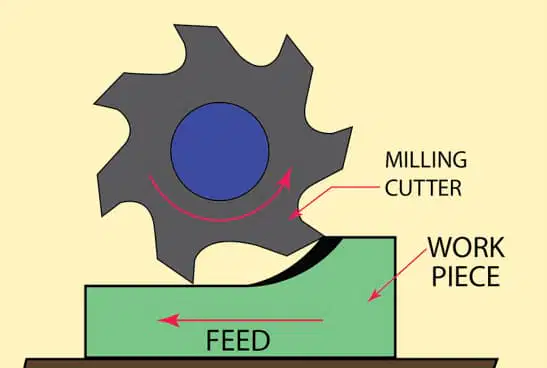
What is the milling technique shown in figure?
Conventional milling
Climb milling
None of them
What is the most common milling machine?
Bed-type Milling Machines
Planer-type milling machines
Column-and-knee-type machines
Computer numerical-control (CNC)
machines
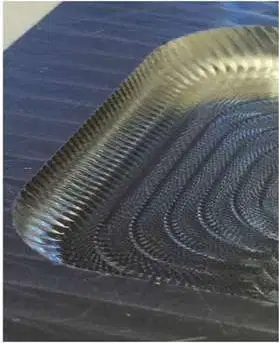
What is the name of the defect/problem in the figure?
Burr formation
Surface burnished
Chatter marks
Breakout
Based on previous question, what is the best probable causes to the problem?
Improper tool angles
Improper cutting fluid
Depth of cut too high
Low stiffness of the tool
Climb milling is known as UP milling. TRUE or FALSE?
True
False
There are ___ types of chip formation in machining.
1
2
3
4
___ is a cutting process to enlarge an existing hole in a workpiece.
Reaming
Boring
Tapping
Drilling
Machining a cast iron using turning or milling will produce ___ .
Continuous chip
Continuous with BUE chip
Disontinuous chip
Serrated chip
Face Milling: the axis of the tool is ___ to the surface being milled.
parallel
perpendicular
segment

