
 Worksheets
3rd Grade Life Science
Total questions: 72
Worksheet time: 1hrs 10mins
Part of the plant that absorbs water.
Roots
Flowers
Petals
Leaves
Part of the plant that is long, transport nutrients, water and keep the plant stable in the ground.
Roots
Stem
Petals
Leaves
The flowers from plants turn into _________.
Fruits
Trees
Leaves
Vegtables


The protective covering on this holds a baby plant & a food supply.
fruit
roots
seed
flower
People use rutabaga plants for food. We usually eat the part of this plant that takes in water and nutrients. It holds the plant in place in the soil. Which part of the rutabaga do we usually eat?
a. the stem
b. the flowers
c. the leaves
d. the roots
People use lettuce for food. Photosynthesis makes food for the plant. We usually eat the part of the plant that does most of the photosynthesis. Which part of the lettuce plant do we usually eat?
a. the seeds
b. the flowers
c. the leaves
d. the roots
People use tomato plants for food. We usually eat the part of this plant that contains the seeds. It grows from a pollinated flower. Which part of the tomato plant do we usually eat?
a. the fruit
b. the stem
c. the root
d. the leaves
What is one job of the leaves?
Bring water to the plant
Make food for the plant
Hold up the plant
Spread seeds
All plants have these parts.
Leaves and roots
Leaves and stems
Roots and stems
Roots, leaves and stems
What does a plant need from soil?
earthworms
rocks
nutrients
sunlight
Which part of plant produces seeds?


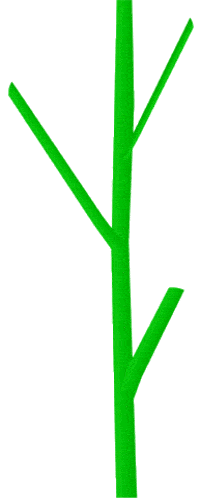
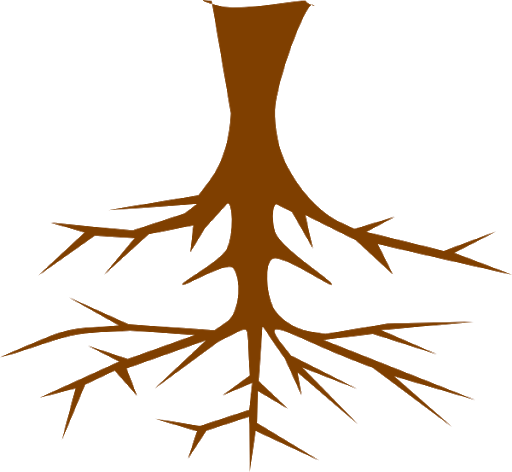

What do roots absorb from the soil?


What plant parts helps it to grow and survive by collecting energy from the sun?
stem
roots
leaves
seeds
What is the function of a plant's flower?
to absorb water and nutrients from the soil
to make food for the rest of the plant
to create seeds to make new plants
to transport nutrients from the roots to the stem
Roots tend to grow in the direction of gravity. If the seedling was planted in a container, in which direction would the roots grow?
The roots will always grow down toward the Earth.
It will depend on where on Earth it was planted.
Roots will grow both toward the Sun and toward the Earth.
The roots will always grow up toward the Sun.

Based on this evidence, where can you claim the one window is located?
1
2
3
4
The roots of a plant near a pond will often grow toward the pond. Why do the roots of the plant grow towards the pond?
The roots need light
The roots need water
Because of gravity
The roots need energy
Which statement describes one way that a plant responds to its environment?
Its roots grow toward light
Its stem grows toward the ground
Its roots grow against the force of gravity
Its roots grows down in response to gravity
The pipe-like shape of this structure makes it perfect for carrying water & nutrients between the roots and leaves
plant
stem
fruit
photosynthesis
Which of these is NOT a function of the roots?
anchors the plant in the soil
absorbs water from the ground
support the plant in the soil
capture sunlight
Owen looks at five plants. He classifies a fern, moss, and pine tree in one group. He classifies an orange tree and sunflowers in another group. Which characteristics did Owen use to classify the plants?
woody stems and soft stems
long, thin leaves and wide, round leaves
flowering plants and non-flowering plants
Plants that grow on rocks and plants that grow in soil
An example of a flowering plant is
a pine tree
an orange tree
a fern
moss

Mark noticed the tree in his front yard has cones and needles. What conclusion can he draw about the tree?
It has flowers
It has fruit
It makes seeds
It makes spores
What are examples of non-flowering plants?
Roots & Stems
Ferns & Mosses
Shrubs and bushes
Grasses
Non-flowering plants produce...
Seeds
Spores
Fruits
Flowers

Study the plant parts in the picture. What will you find inside both of these plant parts?
seeds
flowers
tiny leaves
tiny plants
Natalia classifies a plant as a fern. Which of the following statements explains her choice?
She sees cones on the plant.
She sees spores on the plant.
She sees flowers on the plant.
She sees needles on the plant.
Celina passed several plants on her walk to school. She saw a plant that produces cones and has long needle-like leaves. Which of the plants did she most likely see?
fern
pine tree
palm tree
tomato plant


Any vertebrate, having the body more or less covered with hair that nourishes their young with milk
mammals
birds
reptiles
frogs
An animal with a backbone
invertebrate
snail
crab
vertebrate
Does not have a backbone
vertebrate
invertebrate
mammals
fish
A cold-blooded vertebrate with gills that lives in water
fish
bird
mammals
reptiles
An invertebrate, like an insect
arthropod
fish
mammals
birds
A cold-blooded vertebrate that lives in both water and land, like a frog
insect
fish
reptile
amphibian
A cold-blooded animal without a backbone that has a segmented body and six or more legs
arthropod
reptile
mammals
bird
This helps fish to breathe oxygen.
Fins
Scales
Gills
Lungs
This class is NOT cold-blooded.
Reptiles
Amphibian
Birds
Fish

