
 Worksheets
Actividad Integradora Parcial 1
Total questions: 50
Worksheet time: 29mins
En el condicional cero usamos:
Presente Simple
Presente Continuo
Presente Perfecto
Se puede alterar el orden de la condición y el resultado/consecuencia para crear una oración en condicional cero.
CIERTO
FALSO

Si el agua llega a 100ºC, hierve
The correct form is:
When water reaches 100ºC, It boils
If water reache 100ºC, It boil
If water reaches 100ºC, It boils
When water reache 100ºC, It boils
The correct structure of the "Zero Conditional" is:
If + Subject + Present Simple, Subject + Future Simple
If + Subject + Present Simple, Subject + Present Simple
If + Subject + Verb in past + Subject + Present Simple
If people (eat)________ too many candies, They (get) ______ fat.
Eats - Get
Eat - Get
Eat - Gets
Will eat - Will get
complete with the Zero conditional...
If I (wake up) ________late, I (be)________ late for work.
wakes up - is
woke up - will be
wake up - am
wake ups - am

1. ¿Cuál es la frase correcta?
He is play soccer
She play soccer
He plays soccer
You plays soccer

2. A la mayoría de los verbos para conjugarlos con una tercera persona en presente simple ¿se le agrega la letra?
s
ed
sh
ing

3. Si los verbos terminan en s, sh, ch, x ¿se les agrega la terminación?
es
did
ies
s
Todas las anteriores

4. ¿Para que sirve el presente simple?
Expresar algo que ya sucedió
Expresa lo que se realiza de forma rutinaria o repetida
Se emplea para conjugar los verbos
Expresa un hecho histórico.

5. I ______ English in USA.
Studied
Studies
Study
Studi

6. Ben ____ (work) in a hospital.
Working
Wor
Works
Worked
Ninguna de las anteriores

7. They always ____ (eat) dinner at 7 o'clock.
eat
eats
eatsh
eta

8. Samantha ____ (play) tennis twice a week.
playes
playing
plays
Ningunta de las anteriores

9. ______ Sarah go to school on Saturdays?
Do
Dos
Did
Does
Speak English! significa:
¡no hable inglés!
¡hablé!
¡habla inglés!
Las palabras do not y don´t significan lo mismo.
cierto
falso
Please, Don´t smoke¡ significa:
No fumar
No fume
Fumaste
¡No seas groser@!
Don´t be kind!
Let´s Do not be rude!
Do not be rude!
Estudia aquí, por favor! se dice:
Study there!
Study with me!
Study here, please!
Imperatives are used for:
Give instructions, orders, commands and warnings.
Ask for advice
Make informal requests.
Give a suggestion and advice.
¿Cuál de estos elementos no forma parte de las oraciones imperativas?
Verbo base
Complemento
Auxiliar Don't
Sujeto o pronombre
El verbo se escribe en:
Forma base
Infinitivo
Gerundio
Participio
Para frases imperativas negativas usamos:
El auxiliar DO
El auxiliar DOES
El auxiliar DON´T
El auxiliar DOESN'T

Laura puede jugar football
Laura can't play football
Laura can play football
Laura gan play tennis
Laura can roller blade

Can she sing? mira la imagen y responde
Yes, I can.
Yes, she can
No, I can't.
¿Cuál de las siguientes oraciones está correctamente escrita?
Can she ride a bike?
She can ride a bike?
¿Cuál de las siguientes oraciones está correctamente escrita?
I can playing soccer
I can play soccer
¿Cuál de las siguientes oraciones está correctamente escrita?
He can swim
He can swimming
¿Qué expresa el auxiliar "Must"?
Una obligación
Una sugerencia
Agradecimiento
Felicidad
¿Que significa "MUST"?
Puede
No Puede
Debe
No debe
¿Que significa "Must not"?
Debe
No Bebe
No puede
No debe
Escoge la alternativa de la palabra que falta en la siguiente oración:
You ________ study for English Test.
Mas
Must
Mustn´t
Must not
Escoge la alternativa de la palabra que falta en la siguiente oración:
She ______ speak with stranger people
Must
Mustn´t
English
Mast
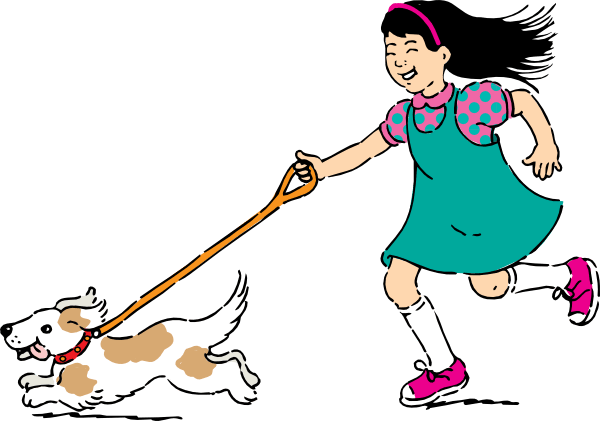
She has to _________________________.
take the dog for a walk
clean the house
go out with friends

They ________________________.
has to use masks.
don't have to use masks.
have to use masks.

He _____________________________ .
has to wear a helmet for his safety.
don’t have to wear a helmet for his safety.
have to wear a helmet for his safety.

The boy __________________________ .
has to tidy his bedroom.
has to tidy her bedroom.
doesn't have to tidy his bedroom.

The teacher ________________________.
don't have to be patient with her students.
has to be patient with her students.
have to be patient with her students.

I ______________________ .
have to wash my clothes.
has to wash my clothes.
don't have to wash my clothes.
SHOULD SIGNIFICA
NO DEBERÍAS
DEBERÍAS
DEBES
NO DEBES
SHOULDN´T SIGNIFICA
DEBERÍAS
NO DEBERÍAS
DEBES
NO DEBES
LA ORACIÓN: "I SHOULD LISTEN TO MUSIC" SIGNIFICA
YO DEBERÍA ESCUCHAR MÚSICA
YO NO DEBERÍA ESCUCHAR MÚSICA
TÚ DEBERÍAS ESCUCHAR MÚSICA
NOSOTROS NO DEBERÍAMOS ESCUCHAR MÚSICA
LA ORACIÓN: "THE DOG SHOULD EAT THE CAT" SIGNIFICA
EL GATO DEBERÍA COMERSE AL PERRO
EL PERRO NO DEBERÍA COMERSE AL GATO
EL GATO NO DEBERÍA COMERSE AL PERRO
EL PERRO DEBERÍA COMERSE AL GATO


I feel sick.
You shouldn't go to the school today.
You should study more.


My friend is sad.
You should invite him to go outside.
You should exercise every day.



