
 Worksheets
Biomes & Biodiversity
Total questions: 25
Worksheet time: 23mins

Which of these biomes makes up almost 70% of the planet?
Marine
Taiga
Tundra
Grasslands
Which organisms would you expect to find in a garden microhabitat?
ants
earthworms
fungi
anteater
vulture
The primary characteristic of a desert is -
less than 10 cm of rain per year.
less than five species per square mile.
temperatures over 90 degrees Fahrenheit for more than six months a year.
the presence of sand and cacti.
Which of the following are threats to our planet's biodiversity?
pollution
deforestation
over-harvesting
climate change
hurricanes
Plants in this harsh biome have developed protective spikes, shallow root systems, and waxy coatings on their leaves in order to conserve water.
Rainforest
Grassland
Desert
Taiga
Which of the following contributes most to the sustainability in an ecosystem?
Lack of decomposers
A balanced water table
Variety of organisms
A narrow temperature range
Which statement is true?
There are a few number of animals that live in the rain forest, and they belong to a small number of species.
The population of animals in the rainforest is large and diverse.
Many animals live in the rainforest, but there are just a few species that can survive there.
There are many species living in the rainforest, but their populations are usually very small.

Which biome is home to large herds of grazing herbivores like zebras, wildebeests, giraffes, and elephants?
Grasslands
Tundra
Rainforest
Temperate Forest
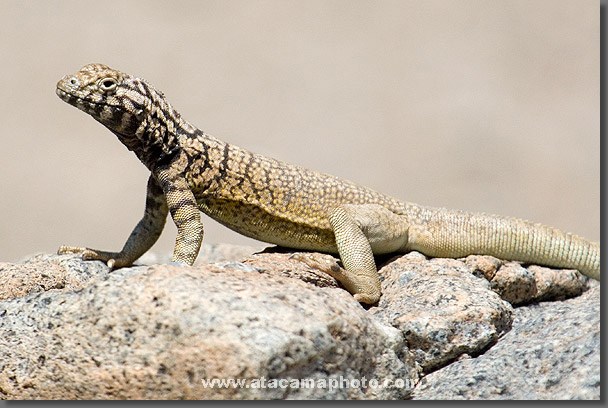


Which option is a cold, dry biome with no trees, very little precipitation, and soil that stays frozen year-round?
Savannah
Taiga
Tundra
Desert
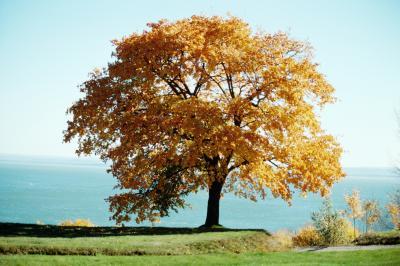
This biome contains mostly spruce trees and Douglas firs, which are both evergreen. The winters are long and cold and the summers are short and rainy. The soil is very rich. Moose and elk live here. This biome is classified as a -
Taiga
Tundra
Deciduous Forest
Temperate Forest

Forest
Tundra
Desert
Grassland
Which of the following is a BIOTIC factor?
Rock
Sand
Wind
Tree
Which of the following is an ABIOTIC factor?
Sunlight
Frog
Scorpion
Snake

Which food web is more sustainable and why?
A, because it has greater biodiversity.
B, because it has less biodiversity.
A, because it is bigger.
B, because it is smaller.
How do organisms respond when their ecosystem is disrupted?
They move to other compatible areas, adapt, or die.
They change their behaviors so they can survive in the changed environment.
They start to eat new things if their food source is removed.

Most of the organisms in the ocean exists in the shallow water over the continental shelves. Why is this true?
Producers, the beginning of all food chains, live best where there is sunlight.
Sea predators can easily catch their prey where the water is shallow.
Water over the continental shelves has more minerals than deep ocean water.
Ocean storms destroy organisms living in deep water.

Which biome covers most of the land mass near the Earth's equator?
Tundra
Desert
Grassland
Tropical Rainforest

Iquitos
(Graph on Left)
Monrovia
(Middle Graph)
Normanton
(Graph on Right)

Which biome is represented by the climograph?
Rainforest
Desert
Taiga
Temperate Forest

Which biome is represented by the climograph?
Rainforest
Desert
Taiga
Temperate Forest
Which of the following would be the best microhabitat for a decomposer?
a decaying log on a forest floor
beneath a rock in a desert
in the shade of a tree on a sandy beach near the equator
patch of bare dirt in a tundra


