
Font size
 Worksheets
Ch. 29 The Golden Age of Athens
Total questions: 64
Worksheet time: 45mins
Why did Athenians start new construction after the Persian wars?
The wars had made them wealthy.
They had conquered other city-states.
Their city had been totally destroyed.
Most of their soldiers had been killed.

Why was Pericles famous?
He was the author of important plays.
He was the architect of a major temple.
He led the army during the Persian wars.
He led the government during the Golden Age.

Why was the Parthenon built?
to foretell the future
to honor the goddess Athena
to reward the chief of the navy
to hold meetings by city leaders

The oracle of Delphi was a priestess whose words were believed to come from
They built a theater on its side.
They grew olives on its slopes.
They thought the gods lived there.
They watched athletes compete below it.
One of the greatest achievements of Greek sculptors was __________________.
creating a vast terra-cotta army.
carving tiny figures in amazing detail.
making lifelike statues in natural poses.
building huge monuments of solid gold

For what crime was Socrates arrested?
telling state secrets to enemy powers
refusing to teach the children of the rich
living on the streets with no means of support
asking questions that seemed to dishonor the gods
What was one reason that actors wore masks in ancient Greek theater?
Women played male characters.
Men played all characters.
It honored Dionysus, the god of masks.
Women played male roles and men played female roles
The word philosophy comes from Greek words meaning _______________.
"see from afar."
"sad and happy."
"near the market."
"love of wisdom."
Why did the Greeks agree every four years to stop fighting for a brief period?
to allow their soldiers to rest
to pull a ship through the city
to let athletes go to the Olympics
to hold a festival for all their gods
After the Persian Wars, Athens entered a time period of peace, prosperity, and innovation called the _____________.
Periclean Age
Golden Age
Great Age
Hellenistic Age
__________________ another lover of knowledge and wisdom was the tutor of Alexander the Great. He wrote and edited more than 200 books on various subjects including science and government.
Socrates
Plato
Aristotle
Crito
The Greeks also created ______________ or plays with humorous themes and happy endings.
comedies
satires
tragedies
documentaries
Greeks worshiped
many gods and goddesses.
only one god.
the big three.
only the 12 Olympian gods.
Which mountain in Greece gave its name to the twelve most important gods and goddesses?
Mount Vesuvius
Mount Etna
Mount Kythnos
Mount Olympus
The belief in many gods.
Monotheism
Polytheism
Philosophy
Geography
What is the definition of PHILOSOPHY?
a traditional story that helps to explain a culture's beliefs
hill above a Greek city on which temples were built
the art of designing buildings
the art of creating three-dimensional figures from such materials as wood, stone, and clay
search for wisdom or knowledge
What is the definition of MYTH?
a traditional story that helps to explain a culture's beliefs
hill above a Greek city on which temples were built
the art of designing buildings
the art of creating three-dimensional figures from such materials as wood, stone, and clay
search for wisdom or knowledge
What is the definition of ARCHITECTURE?
a traditional story that helps to explain a culture's beliefs
hill above a Greek city on which temples were built
the art of designing buildings
the art of creating three-dimensional figures from such materials as wood, stone, and clay
search for wisdom or knowledge
What is the definition of DRAMA?
a traditional story that helps to explain a culture's beliefs
hill above a Greek city on which temples were built
art of writing, acting in, and producing plays
the art of creating three-dimensional figures from such materials as wood, stone, and clay
temple honoring the goddess Athena, built on the acropolis above Athens
What is the definition of SCULPTURE?
a traditional story that helps to explain a culture's beliefs
hill above a Greek city on which temples were built
art of writing, acting in, and producing plays
the art of creating three-dimensional figures from such materials as wood, stone, and clay
temple honoring the goddess Athena, built on the acropolis above Athens
What is the definition of ACROPOLIS?
a traditional story that helps to explain a culture's beliefs
hill above a Greek city on which temples were built
art of writing, acting in, and producing plays
the art of creating three-dimensional figures from such materials as wood, stone, and clay
temple honoring the goddess Athena, built on the acropolis above Athens
What is the definition of PARTHENON?
a traditional story that helps to explain a culture's beliefs
hill above a Greek city on which temples were built
art of writing, acting in, and producing plays
the art of creating three-dimensional figures from such materials as wood, stone, and clay
temple honoring the goddess Athena, built on the acropolis above Athens
People could ask Apollo questions through a _______ who was called the oracle of Delphi.
priest
god
goddess
priestess
Pepa pig
The oracle of Delphi was a priestess whose words were believed to come from the god (a) .
Name Zeus' wife:
(a)
Who was one of the most famous sculptors in Athens?
Phidias
Athena
Apollo
Ferb
Phineas
Who was Socrates's student?
Aristotle
Plato
Phidias
Confucius
Women could own property and speak in public in this city-state.
Peloponnesus
Athens
Sparta
Achilles

What is an oligarchy?
a system of government with rule by a few
the title of assemblies in ancient Greece
the title of military leaders in ancient Greece
a system of government with rule by many

The City- State of Athens was named after which god or goddess ?
Zeus
Athena
Apollo
Ares

This is an example of ?
Terracing
Irrigation
rhetoric
ditch witching


The ruler of all the Greek gods was...
(a)


On what continent is Greece located?
(a)
What are two city-states that we've been learning about?
Cairo and Memphis
Tigris and Euphrates
Rome and Venice
Athens and Sparta
In a monarchy, what is the ruler called?
President
Dictator
King/Queen
Priest

In Greek mythology, the (a) is a fabulous monster of Crete that had the body of a man and the head of a bull.

Mount (a) was the home of the Greek gods.

What did the all the actors wear in the Greek plays?
(a)
Going to the (a) was a regular part of Athenian life.
Complete the title of the chapter we are studying.
Ch. 29 The (a) Age of Athens
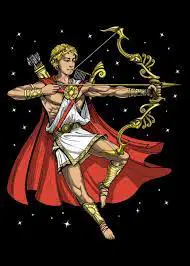
A famous temple in the town of Delphi was dedicated to the god (a) .
The 300 Spartans died at what battle?
Palatea
Marathon
Thermopylae
Salamis
A marathon is a foot race that covers (a) miles.
Match the following

monarch

aristocrat

tyrant

oligarch

assembly
Match the following.
Zeus
King of the Gods, God of the Sky & Lightning
Athena
Goddess of Wisdom and War
Hades
God of the Underworld
Poseidon
God of the Sea
Aphrodite
Goddess of Love and Beauty
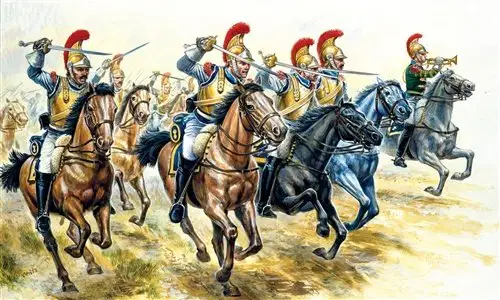
Definition:
soldiers who ride on horses
(a)

Europe
A
B
C
D
E

Which country is highlighted in green?
USA
Mexico
Cuba
China

Which country is highlighted in green?
USA
Mexico
Cuba
Canada

Which country is highlighted in green?
Japan
China
Vietnam
South Korea

Which country is highlighted in green?
Brazil
Mexico
Cuba
Argentina

What is the name of body of water?
Atlantic Ocean
Pacific Ocean
Mediterranean Sea
South China Sea

Which continent is highlighted in red?
North America
South America
Africa
Asia

Which continent is highlighted?
South America
Asia
Europe
North America

Which continent is highlighted in red?
Africa
North America
Europe
Asia
Match the following

drama

sculpture

architecture

Parthenon

myth

