wayground logo

Free Printable Worksheets

Font size

S
M
L
XL
Worksheets

Succession and Symbiosis

Total questions: 22

Worksheet time: 20mins

Name
Class
Date
1.

Primary succession occurs in areas with:

a)

very little soil

b)

lots of soil

c)

no soil

d)

soil that has been disturbed

2.
succession that occurs in an area where soil is already present
a)
ecological succession 
b)
primary succession 
c)
secondary succession
d)
pioneer speciles
3.

Which would result in primary succession?

a)

volcano destroying habitat leaving only soil and ash

b)

Tornado destroying a crop leaving very little soil

c)

Glacier retreating exposing bare rock

d)

limiting factors

4.

Which would most likely result in primary succession?

a)

old forest growing

b)

undisturbed prairie

c)

pollution kills mountain lake species

d)

a Newly formed volcanic island

5.

Match the following

a)
1.

Primary succession

b)
2.

pioneer species

c)
3.

abiotic factor

d)
4.

secondary sucession

e)
5.

climax community

6.

Primary succession occurs in an area that has:

a)

Has Soil

b)

Has No Soil

c)

Has Some Soil

d)

none of these

7.

What is the main difference between primary and secondary ecological succession?

a)

Primary begins WITHOUT soil; Secondary begins WITH soil

b)

Primary is the first state and secondary is the second stage

c)

Primary builds plant community; secondary builds animal community.

d)

Primary begins WITH soil; Secondary begins WITHOUT soil

8.

After a volcanic eruption, volcanic rock is present (but no soil). Which of the following states the most likely order of succession that would be seen?

a)

Lichens → Shrubs → Grasses → Trees

b)

Lichens → tree → shrubs→Grasses

c)

Grasses → Lichens → Shrubs → Trees

d)

Lichens → Grasses → Shrubs → Trees

9.

Ticks feed on deer blood with harms the deer.

a)

Mutualism

b)

Commensalism

c)

Parasitism

10.

Hermit crabs live in shells made and then abandoned by snails.

a)

Mutualism

b)

Commensalism

c)

Parasitism

11.

Mistletoe extracts water and nutrient from the spruce tree it is attached to.

a)

Mutualism

b)

Commensalism

c)

Parasitism

12.
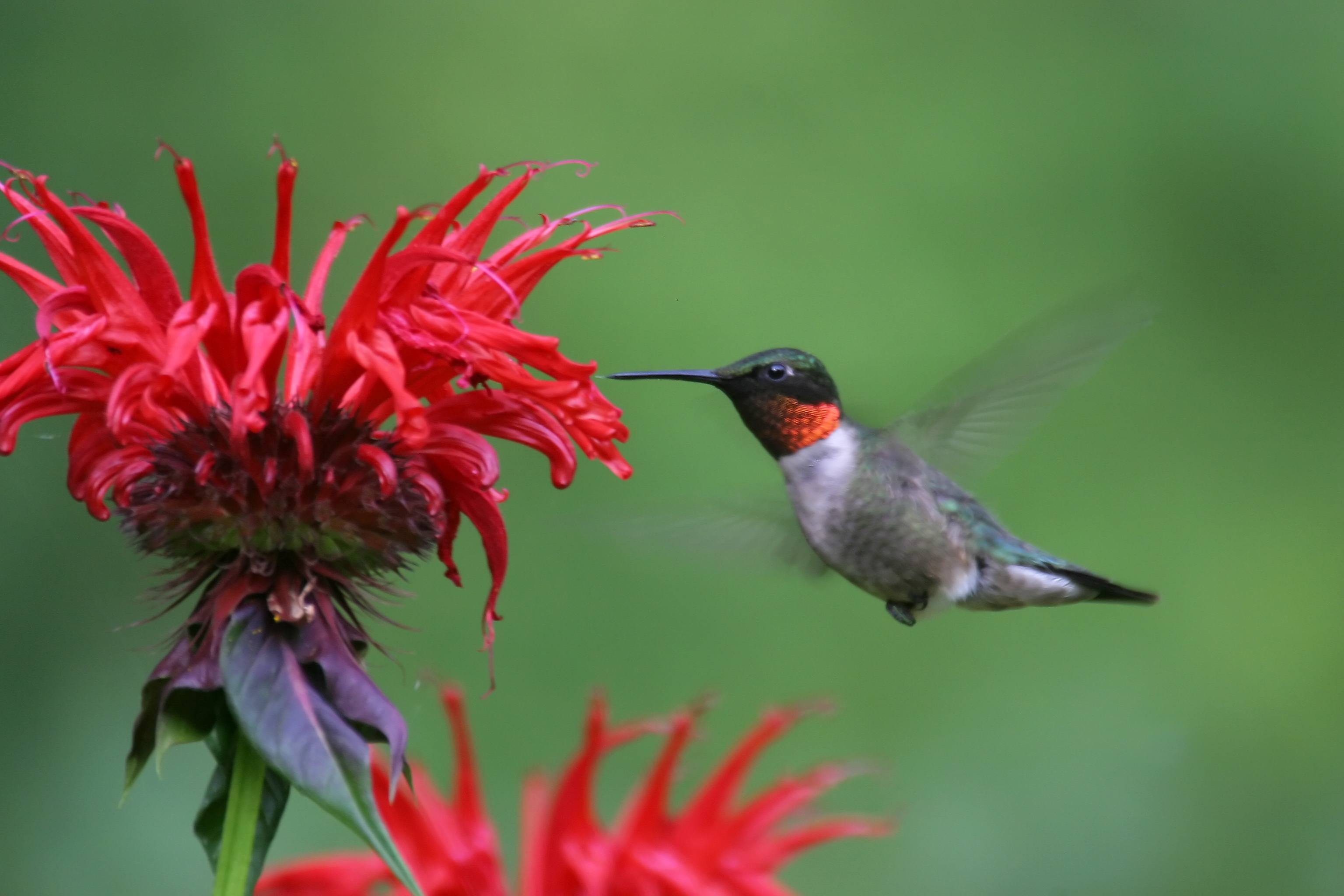
What type of symbiosis?  Hummingbirds feed on nectar from flowers.  The flowers are pollinated by hummingbirds as they move from flower to flower.
a)
commensalism
b)
mutualism
c)
parasitism
d)
predation
13.
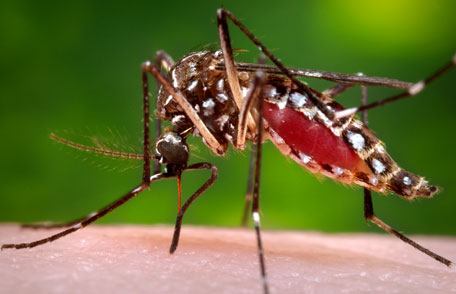
When a mosquito bites you, you are the __________ and the mosquito is the  ____________.
a)
host, hostess
b)
parasite, host
c)
host, parasite
d)
prey, predator
14.
Barnacles create home sites by attaching themselves to whales. This relationship neither harms nor benefits the whales. 
a)
parasitism
b)
commensalism
c)
mutualism
15.

Which of the following shows the symbiotic relationship between the Rodent and the Bird?

a)

Mutualism

b)

Commensalism

c)

Competition

16.
Two male Giraffes are fighting over the last green leaf of a tree that is dying.  
a)
Competition
b)
Mutualsim
c)
Predation
d)
Commensalism
17.
a relationship that occurs when two or more organims of the same species need the same resource at the same time
a)
competition
b)
symbiosis
c)
predation
18.
In a parasitic relationship, one organism is ___________ and one organism is benefiting. 
a)
helped
b)
harmed
c)
not effected
d)
happy
19.
In a mutual relationship, both organisms are ________________. 
a)
hurt
b)
not effected
c)
harmed
d)
benefiting 
20.
Commensalism is where one organism is benefiting and the other organism is _____________________. 
a)
not effected
b)
helped
c)
harmed
d)
hurt
21.
A coyote captures, kills, and eats a rabbit. What type of symbiotic relationship is this?
a)
mutualism
b)
commensalism
c)
parasitism
d)
predation
22.
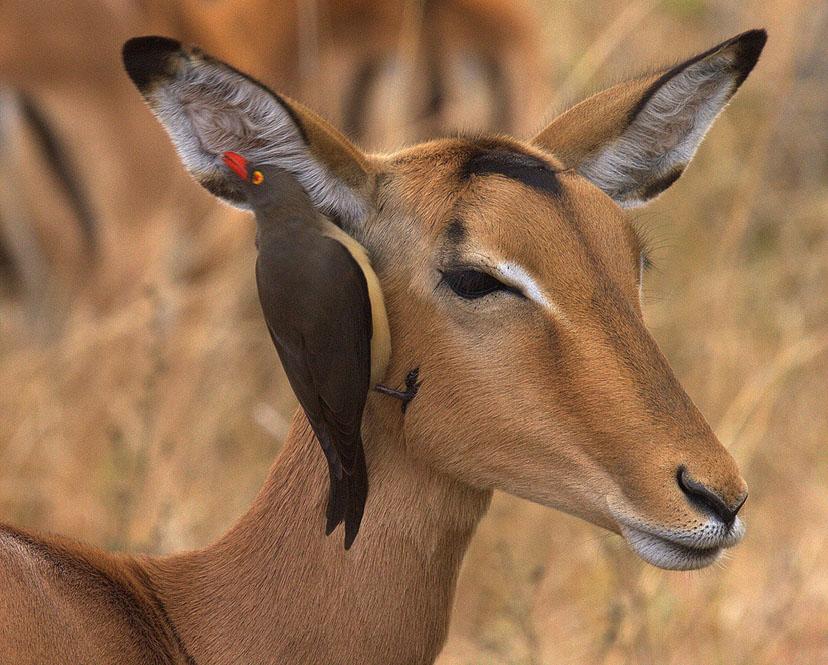
Red-billed oxpeckers are birds that often feed on parasites that infest impala.  This is an example of _______.
a)
commensalism
b)
mutualism
c)
neutralism
d)
competition