
 Worksheets
Question Bank for Grade 4 Science
Total questions: 174
Worksheet time: 6hrs 21mins
what is a hypothesis?
an educated guess to the outcome or answer to a problem
an educated guess
the answer
the question
Sell
to give something away for a specific price
the building block of all life. Stores information
to make something
to make an educated guess
cell
the basic building block of all life. Stores information
to give something away for a specific price
to buy something
to ask a question
bye
to say good bye
to purchase something
something created by a specific person
to guess
by
something created or owned by a specific person
to buy something
to say good bye
to operate something
buy
to purchase something
to say good bye
the owner of something created by a specific person
the past tense of blow
Brake
to take stop or slow down
to separate things
to walk slowly
to skip
break
to separate into pieces
to take a rest
to stop
to continue
blew
past tense of blow
the color
a name
a type of fish
blue
the color
to blow on something
a name
a type of fish
eight
the number
past tense of eat
eating
the animal
ate
past tense of eat
eating right now
the number
an animal
Who is George Washington Carver? Name three of his inventions. If you could ask him one question what would if be?
SS: George Washington Carver was____________. Three of his inventions are: _____________. If I could ask him one question, it would be__________.
what is the conduction ?
Actually doing the experiment
thinking about the experiment
writing the summary of the experiment
guessing the answer to the experiment
what is the scientific conclusion
a written summary of the experiment
an educated guess to the outcome or answer
the question
the tools needed to conduct an experiment
what is the graph
a graphical representation of the data from the experiment
a written summary of the experiment
the tools needed to conduct the experiment
the question
what is a data chart
the chart created to record data from the experiment
an educated guess to the outcome or answer to a question
the tools needed to conduct an experiment
the question
38 X 70
2,660
1,660
3,660
4,660
what is the procedure?
the steps in order to conduct an experiment
the tools needed to conduct the experiemtn
a guess
the answer
68 X 60
4,880
4,860
4,080
4,800
what is the material list
all the tools required to conduct an experiment
supplies
steps to conduct an experiment
the answer to the problem
9801
9802
9803
9901
$4,440
$4,432
$3,810
$4,810
1846
216
999
2016
200
90
2,000
900
220
22
2200
202
6,370
63,770
6,470

5p, 5p, 10p, 20p
20p, 20p
5p, 10p, 20p
10p, 10p, 20p

20p, 20p, 10p, 50p
50p, 50p
10p, 10p, 20p, 20p
£1, 50p

2p, 5p, 10p
2p, 2p, 5p
3p, 5p, 10p
1p, 2p, 5p, 10p
A ____________ separates the dollars from the cents.
A Period
A Decimal Point
A Dot
A Comma


What is the value of this coin?
5¢
1¢
25¢
10¢


What is the value of this coin?
10¢
25¢
1¢
5¢


Dime
Quarter
Penny
Nickel

Patrick went to the donut shop and bought a Tuti Fruiti donut. If he paid with a five-dollar bill, how much change will he get back?
$3.61
$3.51
$6.49
$4.49

How much money do you have?
50¢
33¢
85¢
27¢
Find the value.
$20.00
− $15.64
_____________
$1.36
$4.64
$4.36
$5.36

If I bought a bag of chips for $0.52 and paid with $1.00, what change could I get back?
2 pennies, 1 nickel, and 2 quarters
3 pennies, 2 dimes, 1 quarter
3 pennies, 3 dimes
2 quarters

How much money do you have?
$18.62
$22.85
$31.05
$20.40


How much money is shown here?
$22.12
$13.35
$18.26
$17.15

$1.62
$0.62
$2.62
$2.82
$10
$10.05
$594.80
$9.95

Henry has two $1 bills.
He buys an ice cream for 70 cents.
How much money does he have left?
80 cents
$1.30
$1.10
20 cents

Miss H has $150.
She spends $53 on books and $35 on shoes.
How much does she have left?
$15.00
$87.00
$22.00
$62.00
What is the source of energy for the Water Cycle?
Ocean
Wind
Moon
Sun
Select the three main parts of the Water Cycle.
Precipitation
Condensation
Evaporation
Ground Water
Jack noticed that a puddle was gone that was there on his walk to school. What happened to the puddle?
It evaporated
It melted
It condensed
Snow and hail are examples of (a)
When water evaporates, it changes from a liquid to a (a)
What percent of water on Earth is fresh?
70%
3%
13%
97%
When water evaporates into the atmosphere, the next stage of the Water Cycle is condensation?
True
False
Match the state of matter with the correct name of the water.
Liquid water (a)
Water Vapor (b)
Ice (c)
occurs when the sun heats water up and it becomes vapor in the air.
Evaporation
the opposite of evaporation; it occurs when air cools and the vapor collects into liquid form.
Condensation
condensation falling onto land in the form of rain, sleet, hail, snow, and mist. Only 10% of water evaporated falls as precipitation.
Precipitation
the downward movement of water from the land surface into the soil or porous rock. Ground water begins as precipitation. Once water infiltrates the soil it can move vertically and horizontally through the soil.
Infiltration
is the water that exists for long periods below the Earth’s surface.
Groundwater storage
Approximately what percentage of Earth is covered with water?
3%
25%
75%
97%
Earth's freshwater is located in
Lakes
Rivers
Oceans
Soil
Glaciers
Water that evaporates from the ocean contains salt.
True
False
The process of water that is added to the atmosphere from plants is called
Condensation
Evaporation
Precipitation
Transpiration
The water cycle has no beginning or end.
True
False
he highest percentage of earth's fresh water is located which 2 places?
lakes
oceans
glaciers
soil
ice caps

Evaporation
A
Condensation
B
Precipitation
C
Transpiration
D
Groundwater
E
Water is very important for life. We need water for . . . .
cooking
hydrating the body
washing
showering
What is the name given to water in the gaseous state?
water
water vapour
ice cube
snow
Ice cube and iceberg are water in . . . .
gaseous state
liquid state
solid state
Name of the process whereby water turns to ice is . . . .
condensation
freezing
melting
evaporation
What is the name of the process whereby water vapour turns to water?
condensation
evaporation
boiling
freezing
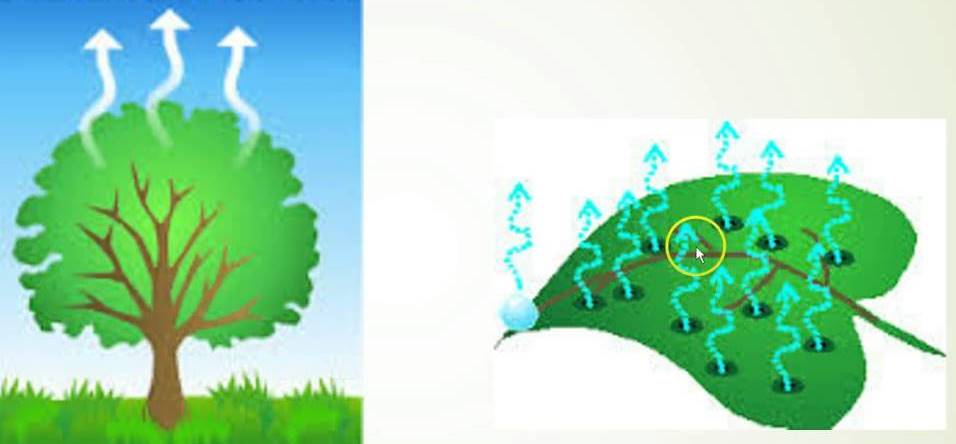
What is it called when plants give off water vapour from the leaves?
presipitation
evaporation
transpiration
condensation
In the process of water cycle, during which stage do clouds form?
evaporation
condensation
transpiration
presipitation

What is the role of the sun in the water cycle?
provide heat energy for condensation
provide heat energy for evaporation
provide heat energy for presipitation
provide light energy for enabling us to see
During evaporation, water changes from a _________ to a __________.
solid, liquid
solid, gas
gas, liquid
liquid, gas

What process is show by number 4 in the diagram?
evaporation
transpiration
condensation
presipitation

The process of transpiration is shown by number . . . .
1
2
3
4
The forms presipitation are:
sand
rain
hail
snow
During condensation, water vapour changes from a _________ to a __________.
liquid, solid
gas, liquid
gas, solid
solid, liquid
Precipitation happens when clouds of water droplets are too ______________.
high
heavy
hot
cold
Precipitation is...
Any form of water that falls from a cloud to the Earth.
Drinkable water that collects underground
Water that turns to a gas.
water vapour that turns to a liquid
The greatest amount of water found on earth is fresh water.
TRUE
FALSE

What process is shown by number 1 in the diagram?
evaporation
transpiration
condensation
presipitation

Where did the water droplets on this cold glass come from?
dishwasher
water inside the glass
refrigerator
water vapour in the air
Sun turns water into...
water
water vapour
hail
snow
Condensation is when . . . .
the sun heats up water and turns it into water vapor
water droplets become too heavy and fall from the atmosphere
water vapor turns into water droplets forming clouds
water gathers in rivers or streams and then flows into the ocean and lakes.
Which of these is an example of precipitation?


What is the water cycle?


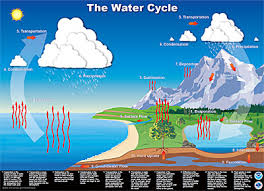
This provides the power to keep the water cycle running.
The Sun
The Earth
The wind
living things


What is the source of the moon's light?
Earth
the sun
the moon
Mars
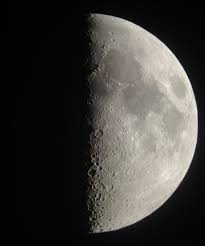
During which phase does the moon appear as a bright round circle?
First Quarter
New Moon
Third Quarter
Full Moon
What causes the phases of the moon?
Earth's movement around the sun
the moon's movement around Earth
Earth's movement around the moon
the sun's movement around the moon
The moon phase cycle repeats about every
365 days
20 days
29 days
15 days


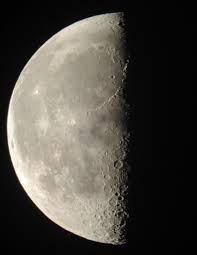
When the moon is lined up exactly between the sun and Earth, it is called a ______ ______.
We can see the moon during the day.
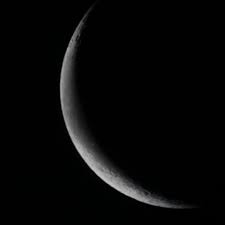
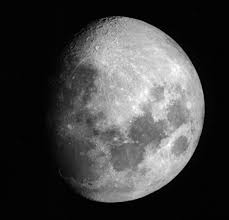
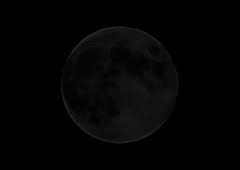
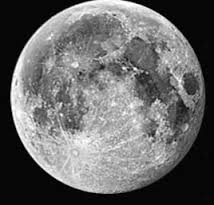


What type of eclipse is shown in the picture?
Solar
Solarfluous
Lunarculus
Lunar

What type of eclipse is shown in the picture?
Solar
Solarfluous
Lunarculus
Lunar

The photo to the right shows the sun’s corona extending beyond the black disk of the moon as it blocks the sun from Earth. This is an example of what type of eclipse?
Solar
Solarfluous
Lunarculus
Lunar
How many times does the moon rotate on its axis in the time it takes it to make 1 revolution around the earth?
365
29.5
7
1
The equator divides the earth into the __________ hemisphere and the __________ hemisphere
eastern and western
northern and southern
What are the reasons for the seasons?
Earths tilt & rotation
Earths tilt & resolution
Earths tilt & revolution
Earths size & rotation
The Earth's axis is tilted _____ degrees.
25.3
23.5
27.9
29.5
One ROTATION of the Earth is equal to....
1 year
1 month
1 week
1 day
How long does it take Earth to make one REVOLUTION around the sun?
365 days (1 year)
1 week
29 days
24 hours
If its ____ in the Northern hemisphere, then its summer in the Southern hemisphere.
Spring
Summer
Winter
Fall
If its ____ in the Northern hemisphere, then its fall in the Southern hemisphere.
Summer
Spring
Fall
Winter
What causes the moon's phases?
where you are standing on Earth
the amount of sunlight that is reflected onto the moon
the tilt of Earth
how fast the moon is moving
What is the correct order of the moon phases?
1st quarter, new moon, last quarter, full moon
full moon, 1st quarter, new moon, last quarter
1st quarter, last quarter, full moon, new moon
new moon, 1st quarter, full moon, last quarter
True or False: Tides are caused by the gravitational pull of the Moon and Sun on the surface waters of Earth.
True
False
True or False: Tides are the regular rising and falling of ocean levels.
True
False
How many high and low tides occur in a 24 hour period?
1 low 2 high
2 low 2 high
3 low 2 high
4 low 4 high
True or False: The position of Earth, the moon, and sun determine the phase of the moon.
True
False

The diagram shows how Earth spins on its axis, causing day and night. Which term describes the movement shown?
tilt
orbit
rotation
revolution

