
 Worksheets
UNIT 10 REVIEW
Total questions: 60
Worksheet time: 2hrs 0mins

A. Raise; they would protect American factories
A. Raise; they would be able to buy products from Europe easier
A. Lower; they would protect American factories
A. Lower; they would be able to buy products from Europe easier

The main difference between the north and south was
religious practices
economic practices
cultural traditions
government institutions

One effect of the rise of Sectionalism, the growing disagreement over state's rights, and the issue of slavery was-
the formation of the Whig Party
increasing tensions between north and south
an end to conflict over the extension of slavery in the territories

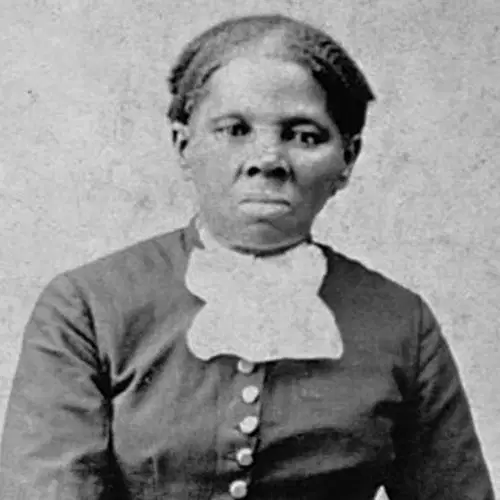
She led many slaves to the Underground Railroad.
She started the Underground Railroad.
She died being a slave in 1913.
A woman born in Africa.
What did the Fugitive Slave Act do?
Allow escaped slaves in the North to remain free
Force escaped slaves in the South back into slavery
Nothing, it never passed
Force Northerners to assist Southern slave-owners in recapturing escaped slaves
The Missouri Compromise, the compromise of 1850, and the Kansas-Nebraska Act were all efforts to
end fighting between midwestern farmers and native American Indians
encourage manufacturing in the west
increase the number of people who voted in presidential elections
settle disputes over the spread of slavery to the western territories
industrial

Which Political party was against the spread of slavery into the WESTERN territories during the historical era of sectionalism?
Whig Party
The Republican Party
The Free Soil Party
The 49er Party
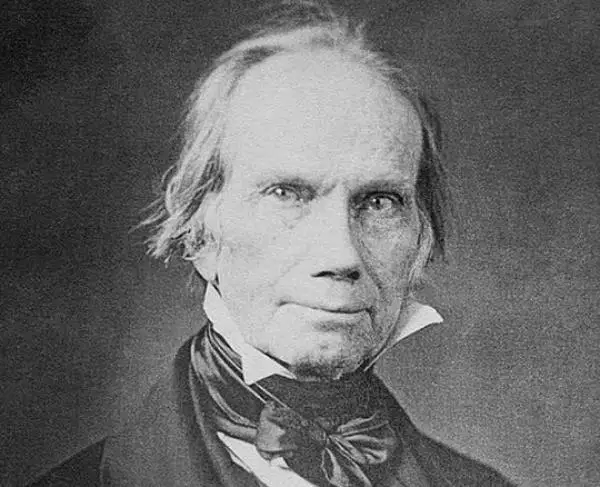
_______ is known for creating the Compromise of 1850 AND the Compromise of 1820(Missouri Compromise). He is remembered for being "the GREAT compromiser".
George Washington
Henry Clay
Walt Garrison
Martin Van Buren
What is another name for the Missouri Compromise?
Free-Soil Party
Compromise of 1820
Compromise of 2022
Fundamental Orders of Connecticut
The Missouri Compromise(Compromise of 1820) allowed which two states into the Union?
Florida-free state/Kentucy-slave state
Arkansas-free state/New Mexico-slave state
Missouri-slave state/Maine-free state
South Carolina-free state/Alaska-slave state
"Bleeding Kansas" occurred because.....
The North wanted to declare Canada as an allied state. It was hoping that by adding Canada to the Union, it would create a more balanced economy with Germany and Great Britain.
Popular sovereignty(Kansas-Nebraska Act) was enforced in Kansas. Northerners and Southerners couldn't agree on whether Kansas would be slave or free territory
Spain desired to establish a foothold in the Fur Trade. Spain created an alliance with Germany in hopes of becoming a world power and collecting resources from the new world.
None of the above
What was John Brown's goal in planning the raid at Harper's Ferry?
arm the slaves to free themselves
free the slaves
kill the slave owners
organize peaceful protests
What term can BEST be used to describe John Brown?
prohibitionist
suffragette
abolitionist
evangalist
When the raid on Harper's Ferry occurred, in which state was it located?
Pennsylvania
Maryland
Virginia
West Virginia
Which factor contributed to the Nullification Crisis?
the defense of slavery
the belief in King Cotton
the protection of states' rights
the election of Abraham Lincoln
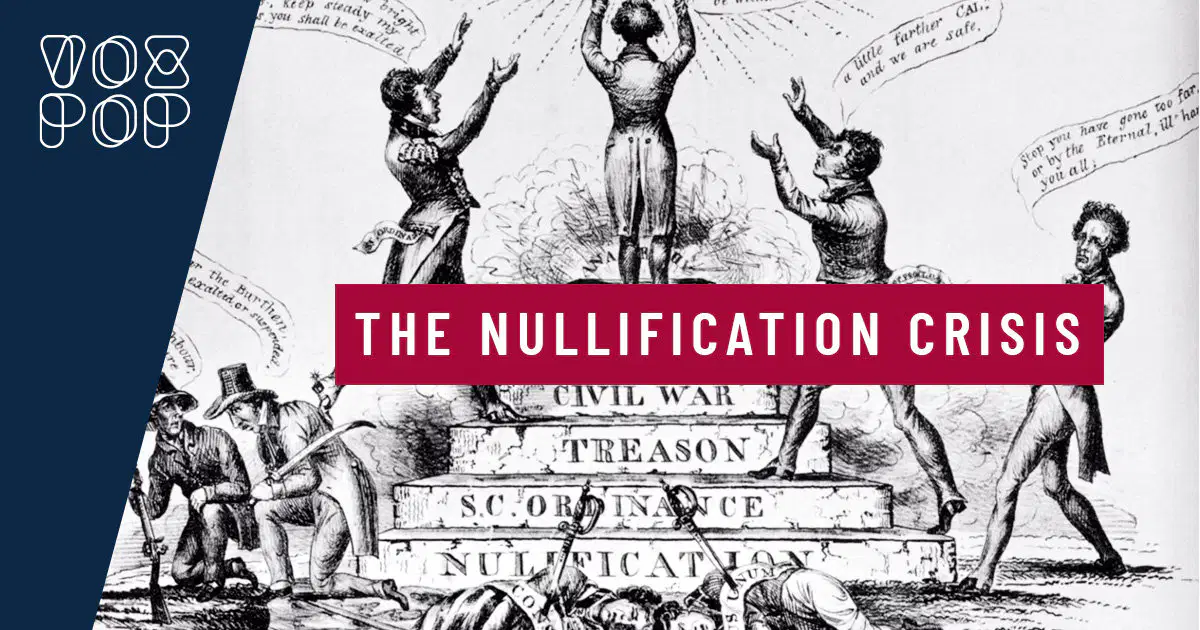
What was the primary question surrounding the 1832 Nullification Crisis?
Can the federal government regulate interstate commerce?
Can a state regulate a federal agency?
Can a state overturn a federal law?
Can the federal government levy taxes on states?
Which region felt the tariffs imposed during the presidency of Andrew Jackson were unfair and should be nullified? (**Think about the NULLIFICATION CRISIS, remember which part of the country HATES taxes.....)
North
West
South
Northwest Territory

Conflicting interpretations of this amendment played a major role in the_______________
**The 10 AMENDMENT is all about STATES RIGHTS!!!! Which event below did the STATES believe they had the RIGHT to CANCEL/IGNORE a federal law passed by the government because they saw it as unconstitutional.
Bank War
Nullification Crisis
Corrupt Bargain
XYZ Affair

Which state said they wouldn‘t pay the new tariff and passed the Nullification act?
HINT: States used the 10TH AMENDMENT which is all about STATES RIGHTS. The state believed they had the right to NULLIFY the tariff of abominations. Which state was the first to NULLIFY this tariff?
North Carolina
South Carolina
Virginia
Georgia
South Carolina threatened to ______________________ due to the high tariffs
secede
abandon
create an alliance

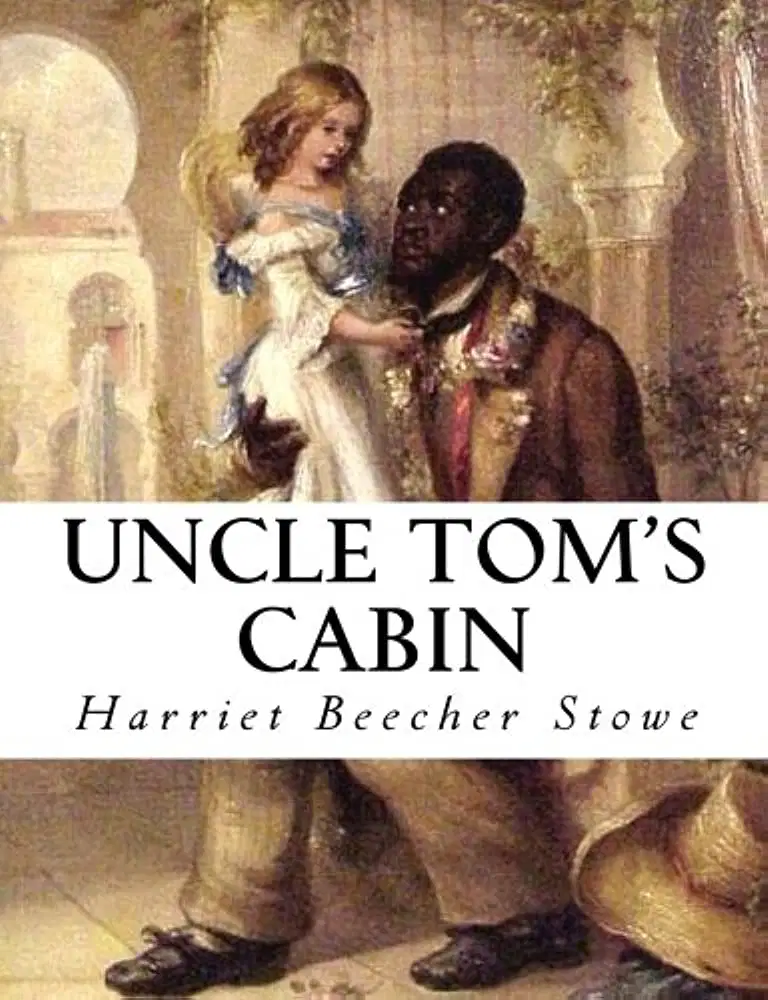
Who wrote the book "Uncle Tom's Cabin"?
JK Rowling
Martin Anderson
Harriet Beecher Stowe
Walt Harrison

Where did the "first shots of the CIVIL WAR" take place?
Fort Collins, Georgia
Fort Smith, Nebraska
Fort Sumter, South Carolina
none of the above
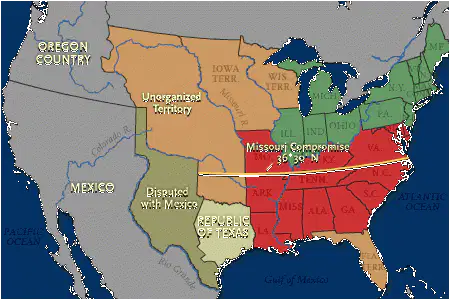
Which line set the SOUTHERN boundary of the Missouri Compromise of 1820?
15 44 Line
22 10 Line
36 30 Line
None of the above

The geographic factors in this table led primarily to the —
founding of trade schools in some colonies
development of different economies in the two regions
establishment of import taxes in some colonies
pattern of religious differences in the two regions

How did opposition to this system affect the economy of the early republic?
The government prevented taxes on domestic goods.
Cottage workers needed governmental assistance.
Interstate trade taxes were forbidden.
A free enterprise system was adopted.

F
G
H
J

A
B
C
D

Jefferson Davis was
President of the Union
Vice President of the Confederacy
Union General at Chickamauga
President of the Confederacy

Battle took place in Maryland and was the closest Civil War battle to Washington D.C. The Union won and gave Abraham Lincoln the victory he needed to issue his Emancipation Proclamation.
Antietam
Bull Run
Gettysburg
Vicksburg

Bloodiest battle of the Civil War. Turned the tide of the war in favor of the Union. Northern most battle in the civil war.
Antientam
Gettysburg
Bullrun
Vicksburg

All of the following was part of the "Anaconda Plan" EXCEPT:
Block all southern ports to cut off shipping
Divide the north into sections
Control the Mississippi River
Capture the Confederate capital, Richmond
Where did the siege of Vicksburg take place?
Ohio
Texas
Mississippi
Florida
Why did Confederate General Robert E. Lee lead confederate forces NORTH of the Mason-Dixon Line?(why did Lee invade the North)
None of the above
Lee knew the South hated taxes and could not afford to help Canada fight Germany in a very long war.
Lee knew the South could not afford to fight a long war. He hoped to capture Washington DC and end the war quickly
Lee did not believe the North could stop him

The Compromise of 1850 included a new and tougher...
Freedom Act.
Emancipation Act.
Slaveowners Act.
Fugitive Slave Act.

Why was the Battle of Vicksburg, Mississippi so important?
It helped convince Germany to fight against America
It gave the Union control of the Mississippi and divided the South in half
It forced the Rebel forces to capture Canada and its providences
none of the above

The term "CONFEDERACY" means....
The North
The South
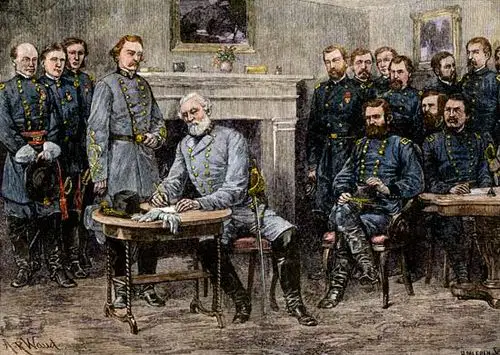
Where did General Lee and the Confederacy surrender to Ulysses S. Grant and the Union Army? (This ended the Civil War.)
Drayton, Ohio
Maysville, New York
Appomatox Courthouse
none of the above
Which SIDE had the BEST military leaders/Generals?
None of the above
The SOUTH. They had the greatest military leader of the Civil War... General Robert E. Lee
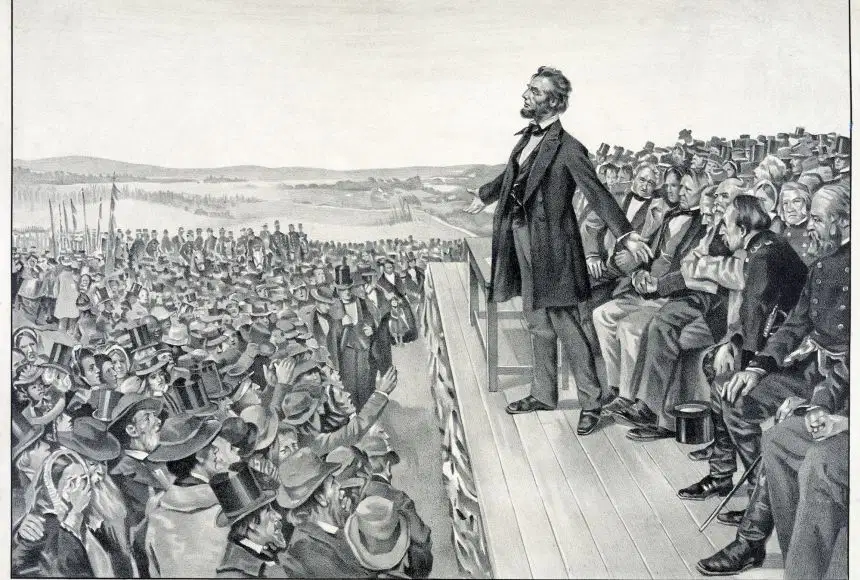
Who wrote and gave the speech "Four-score and seven years ago......"?
Frederick Marshall-Lies of the Republic
James Mason-Writ of Mandamus
Abraham Lincoln-Gettysburg Address
none of the above

What was Lincoln's main reason for fighting in the war?
to get rid of slavery
to bring the British and French to America
to show his strength as a president
to preserve the Union
When did the Civil War END?
1700
1823
1865
1860
Where did General Lee surrender to the Union Army, ending the war?
Joneborough, Arkansas
Manhattan, Kansas
Ragsdale, Kentucky
Appomattox Courthouse, Virginia
Where did General Lee and the Confederacy surrender to Ulysses S. Grant and the Union Army? (This ended the Civil War.)
Drayton, Ohio
Maysville, New York
Appomatox Courthouse
none of the above
Where was Abraham Lincoln assassinated?
The Capital
The train station
Fords Theatre
none of the above

A
B
C
D

1. Farming 2. Cash Crops 3. Tobacco 4. Slavery 5. Plantations. Which of the following colonies are best described by numbers 1 through 5?
Eastern Colonies
Southern Colonies
New England Colonies
Mid-Atlantic Colonies
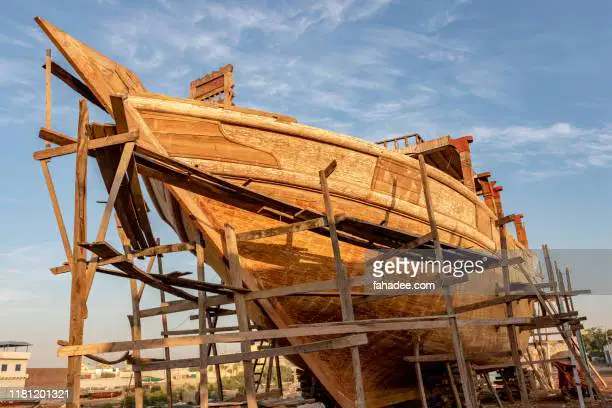
Which region of colonies economy relied heavily on shipbuilding and fishing?
The Southern Colonies
The Mid-Atlantic(Middle) Colonies
The New England(Northern) Colonies
The Far East Colonies
None of the above
Roger Anderson hated the French and decided to defect to Canada in order to create a monopoly on the French Empire.
Roger Williams was kick out of the Massachuests Bay Colony. He believed in separation of church and state. Williams did NOT believe that you needed to be Puritan to vote and participate in government.
The Mayflower Compact forced the British to retreat to Bunker Hill

-Low flat land
-low flat coastline
-fertile soil
-warm hot summers
-Very good land for farming/agriculture
All of these are clues that best describe which type of colonies?
Northern
Southern
Middle
none

This person ___________ believed in "separation of church and state" he believed that you should NOT have to be religious in order to vote and participate in REPRESENTATIVE GOVERNMENT. He also helped found the colony of RHODE ISLAND
John Abshire
Henry Clay
Roger Williams
Frank Hassle

What was stated in the Proclamation of 1763?
Colonists were BANNED from settling west of the Appalachian Mountains.
The Proclamation ended the French and Indian War.
Colonists were ENCOURAGED to begin settling west of the Appalachian Mountains.
The Proclamation proclaimed independence for the American colonists.

LOOK at the map. You can click on it to enlarge it. The GREEN line best represents the Proclamation Line of 1763. Where would INDIAN territory/land be located?
North, in Canada
South, in Mexico
West, of the proclamation line
East, of the proclamation line

