
 Worksheets
Gout and Osteoporosis Review
Total questions: 20
Worksheet time: 12mins

Select the risk factor(s) for gout.
Older age
Obesity
Active lifestyle
Female sex

Which is NOT an appropriate non-pharmacologic recommendation for a patient with gout?
Decrease alcohol intake
Increase intake of seafood
Decrease intake of red meats
Increase intake of vegetables
What is the goal uric acid level for patients on urate-lowering therapy (ULT)?
(a)
Which is a likely adverse effect of indomethacin?
Bradycardia
Insomnia
Hyperglycemia
Increased blood pressure

What is the recommended dose for colchicine when used for an acute gout flare?
0.6 mg daily until flare resolves
Day 1: 0.6 mg now, then 0.3 mg 1 hour later
Day 2: 0.6 mg daily until flare resolves
Day 1: 1.2 mg now, then 0.6 mg 1 hour later
Day 2: 0.6 mg daily until flare resolves
0.3 mg daily until flare resolves
Some patients starting allopurinol should be screened for HLA-B*5801 because of ____.
Increased risk of severe cutaneous reactions
Increased risk of urolithiasis
Increased risk of hemolysis and methemoglobinemia
Decreased efficacy of allopurinol
Which agent works by increasing renal excretion of uric acid?
Anakinra
Colchicine
Probenecid
Allopurinol
Which medication is considered first-line for urate-lowering therapy (ULT)?
Allopurinol
Probenecid
Febuxostat
Colchicine
Which treatment option(s) would be most appropriate to treat an acute gout attack in the right big toe with mild pain?
Naproxen
Prednisone
Intra-articular triamcinolone
Prednisone plus naproxen
What is the most appropriate initial dose of allopurinol for a patient with normal renal function?
800 mg daily
300 mg daily
100 mg daily
50 mg daily

What T-score is indicative of osteoporosis?
(a)
Select the risk factor(s) for osteoporosis.
Cigarette smoking
Female sex
Impaired hearing
Anorexia
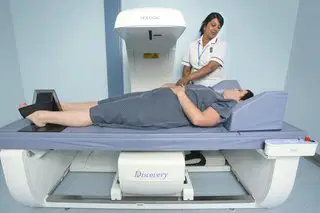
Which patient(s) should be screened for osteoporosis?
75-year-old female with diabetes and rheumatoid arthritis
45-year-old male with depression and hypertension
Postmenopausal 67-year-old female with hypothyroidism
Premenopausal 54-year-old woman with asthma
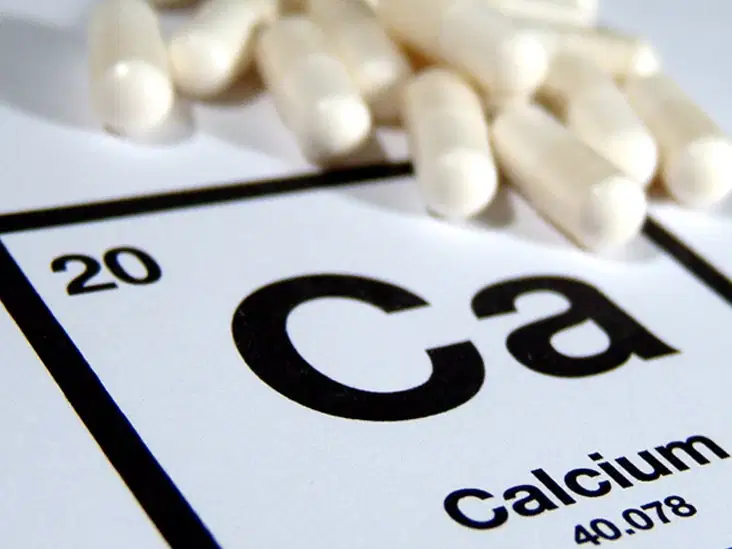
Which calcium supplement would you recommend for a patient taking lisinopril daily, Symbicort PRN, and fish oil?
Calcium citrate
Calcium carbonate
Tricalcium phosphate

Which is an appropriate dose of vitamin D for a patient with a vitamin D level of 10 ng/mL?
50,000 units once a week x 12 weeks
1000 units daily x 12 weeks
700 units daily x 12 weeks
No vitamin D supplementation is required
Which is the most appropriate osteoporosis treatment for a patient with normal renal function and no prior fractures?
Alendronate 35 mg weekly
Abaloparatide daily
Denosumab every 6 months
Ibandronate 150 mg monthly
Select the appropriate counseling point(s) for a patient taking risedronate.
Remain upright for 30 minutes after taking the medication
Take with a full glass of milk
Medication may cause hypercalcemia
Take on an empty stomach
Which is a likely adverse effect of raloxifene?
Injection site reactions
Rhinitis
Hot flashes
Heartburn
Which medication is a last-line therapy for osteoporosis due to its limited efficacy and risk of malignancy with long-term use?
Romosozumab
Calcitonin
Teriparatide
Ibandronate
Select the factor(s) indicative of very high fracture risk.
FRAX score: 20% risk of major osteoporosis fracture
T-score of -3.2
History of multiple fractures
FRAX score: 3% risk of osteoporosis fracture

