wayground logo

Free Printable Worksheets

Font size

S
M
L
XL
Worksheets

FHP - Coronary Circulation, Heart Conduction & EKG Test

Total questions: 101

Worksheet time: 3hrs 22mins

Name
Class
Date
1.

How does the heart get it's blood supply

a)

Aorta

b)

Vena Cavas

c)

Pulmonary Artery

d)

Coronary Arteries

e)

Coronary Veins

2.

What are the two reasons that the heart can't get it's oxygen, carbohydrate and water supply just from the blood in it's chambers?

4 lines
3.

Why is it so critical that the 2 coronary arteries, the Right and Left coronary Arteries are located where they are in terms of system circulatioin?

4 lines
4.

Where is the opening for the Right and Left Coronary Artery Located

a)

At the base of the Aortic Arch at the opening of the Pulmonary Semilunar Valve

b)

At the base of the Aortic Arch at the opening of the Aortic Semilunar Valve

c)

At the Coronary Sinus where it drains into the Right Atrium

d)

At the Coronary Sinus where it drains into the Left Atrium

e)

At the base of the Pulmonary Veins, rich in oxygen where it drains into the Left Atrium

5.

Within the Coronary Circulation system, where is deoxygenated blood delivered back to the heart

a)

Coronary Sinus at the Right Atrium

b)

Coronary Sinus at the Left Atrium

c)

Coronary Sinus at the Superior Vena Cava

d)

Coronary Sinus at the Inferior Vena Cava

e)

Coronary Sinus at the Pulmonary Semilunar Valve

6.

The pacemaker of the heart is known as the

a)

SA Node - Sinoatrial Node

b)

AV Node - Atrioventricular Node

c)

AV Bundle or Bundle of His

d)

Purkinje Fibers

7.

The node that delays the elecrical impulse in the heart is the

a)

SA Node - Sinoatrial Node

b)

AV Node - Atrioventricular Node

c)

AV Bundle or Bundle of His

d)

Purkinje Fibers

8.

The node that serves as a "Relay Station" of the electrical impulse to the Ventricles is the

a)

SA Node - Sinoatrial Node

b)

AV Node - Atrioventricular Node

c)

AV Bundle or Bundle of His

d)

Purkinje Fibers

9.

This part of the Heart Conduction System "Splits" the electrical impulse into right and left impulses

a)

SA Node - Sinoatrial Node

b)

AV Node - Atrioventricular Node

c)

AV Bundle or Bundle of His

d)

Purkinje Fibers

10.

The Part of the Hearts electrical conduction system that causes the Atria to contract is the

a)

SA Node - Sinoatrial Node

b)

AV Node - Atrioventricular Node

c)

AV Bundle or Bundle of His

d)

Purkinje Fibers

11.

The Part of the Hearts electrical conduction system that causes the Ventricles to contract is the

a)

SA Node - Sinoatrial Node

b)

AV Node - Atrioventricular Node

c)

AV Bundle or Bundle of His

d)

Purkinje Fibers

12.

This part of the Heart's Electrical conduction system is found in the Upper Corner of the Right Atrium near the Superior Vena Cava

a)

SA Node - Sinoatrial Node

b)

AV Node - Atrioventricular Node

c)

AV Bundle or Bundle of His

d)

Purkinje Fibers

13.

This part of the Heart's Electrical conduction system is found in the Lower Corner of the Right Atrium near the border of the Interatrial and Interventricular Septums

a)

SA Node - Sinoatrial Node

b)

AV Node - Atrioventricular Node

c)

AV Bundle or Bundle of His

d)

Purkinje Fibers

14.

This part of the Heart's Electrical conduction system is found in Interventricular Septum

a)

SA Node - Sinoatrial Node

b)

AV Node - Atrioventricular Node

c)

AV Bundle or Bundle of His

d)

Purkinje Fibers

15.

This part of the Heart's Electrical conduction system is found in outer walls of the ventricles

a)

SA Node - Sinoatrial Node

b)

AV Node - Atrioventricular Node

c)

AV Bundle or Bundle of His

d)

Purkinje Fibers

16.

What two parts of the Heart's Electrical conduction system actually cause a contraction of muscle tissue

a)

SA Node - Sinoatrial Node

b)

AV Node - Atrioventricular Node

c)

AV Bundle or Bundle of His

d)

Purkinje Fibers

17.

What two parts of the Heart's Electrical conduction system do not cause any contraction of muscle tissue, but just transmit the electrical impulse

a)

SA Node - Sinoatrial Node

b)

AV Node - Atrioventricular Node

c)

AV Bundle or Bundle of His

d)

Purkinje Fibers

18.

DEEP THOUGHT QUESTION! Which part of the Heart's Conduction System regulates the Heart's Cardiac Output?

a)

SA Node - Sinoatrial Node

b)

AV Node - Atrioventricular Node

c)

AV Bundle or Bundle of His

d)

Purkinje Fibers

19.

What "heart pump", pumps blood to the Lungs

(a)  

20.

What "heart pump", pumps blood to the Body

(a)  

21.

What side of the heart, is the Pulmonary Pump

(a)  

22.

What side of the heart, is the Systemic Pump

(a)  

23.

Where does the Pulmonary Pump deliver blood for Gas Exchange

a)

Lung Capillaries

b)

Body Capillaries

c)

Lung Arteries

d)

Body Arteries

e)

Pulmonary Vein

24.

Where does the Systemic Pump deliver blood for Gas Exchange

a)

Body Capillaries

b)

Lung Capillaries

c)

Body Arteries

d)

Body Veins

e)

Pulmonary Arteries

25.

Which gas exchange scenerio BEST describes what happens with the Pulmonary Pump

a)

CO2 in the blood is exchanged for O2 from the lungs

b)

O2 in the blood is exchanged for CO2 from the lungs

c)

O2 in the blood is exchanged for CO2 from the body tissues and cells

d)

CO2 in the blood is exchanged for O2 from the body tissues and cells

26.

Which gas exchange scenerio BEST describes what happens with the Systemic Pump

a)

CO2 in the blood is exchanged for O2 from the lungs

b)

O2 in the blood is exchanged for CO2 from the lungs

c)

O2 in the blood is exchanged for CO2 from the body tissues and cells

d)

CO2 in the blood is exchanged for O2 from the body tissues and cells

27.

Regarding the heart pumping, when the ventricle contract and the atria fill, this is known as (a)  

a)

Systole

b)

Diastole

c)

Stroke Volume

d)

Cardiac Output

e)

Cardiac Cycle

28.

Regarding the heart pumping, when the atria contract and the ventricle fill, this is known as

a)

Diastole

b)

Stroke Volume

c)

Cardiac Output

d)

Systole

e)

Cardiac Cycle

29.

Regarding the heart pumping, the amount of blood squeezed out of the ventricles in one minute is called

a)

Diastole

b)

Stroke Volume

c)

Cardiac Output

d)

Systole

e)

Cardiac Cycle

30.

Regarding the heart pumping, the amount of blood squeezed out of the ventricles in one contraction is called

a)

Diastole

b)

Stroke Volume

c)

Cardiac Output

d)

Systole

e)

Cardiac Cycle

31.

Regarding the heart pumping, each beat of the heart is called

a)

Diastole

b)

Stroke Volume

c)

Cardiac Output

d)

Systole

e)

Cardiac Cycle

32.

Regarding the heart pumping, which two below constitue the Cardiac Cycle

a)

Diastole

b)

Stroke Volume

c)

Cardiac Output

d)

Systole

33.
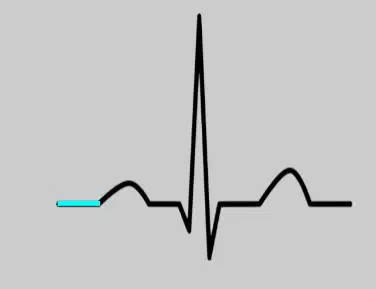
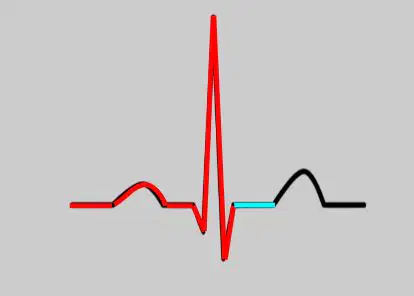
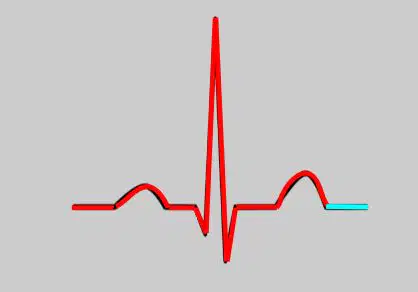
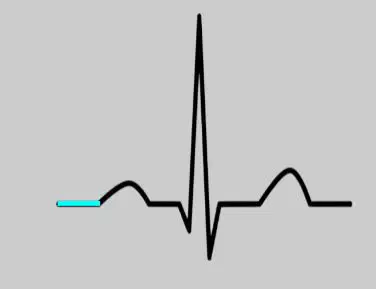
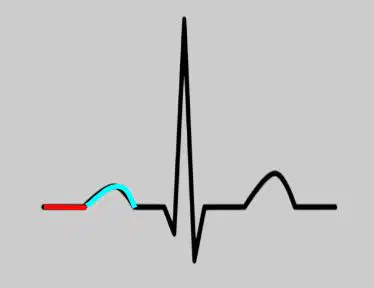
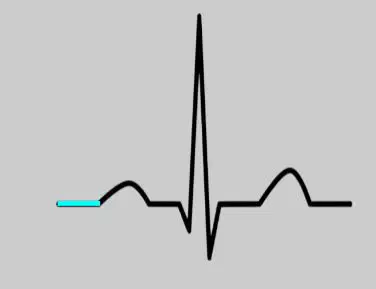
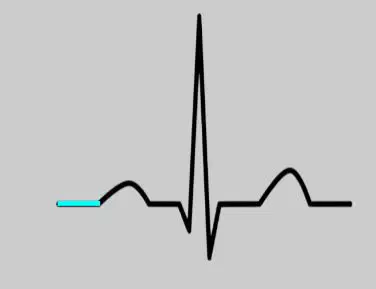
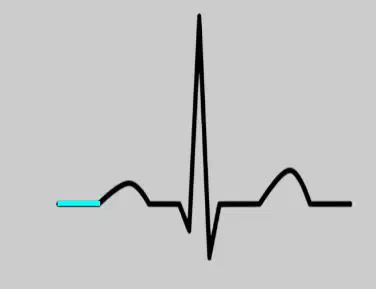
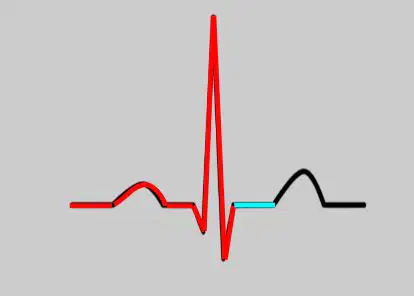
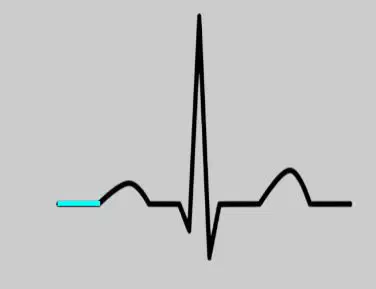
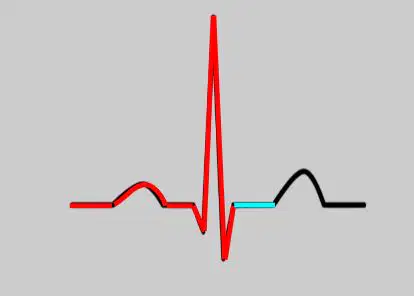
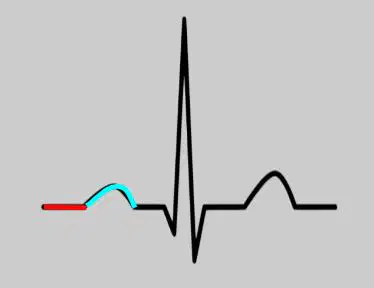
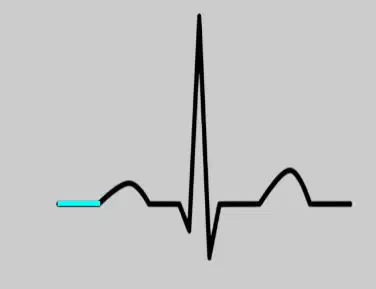
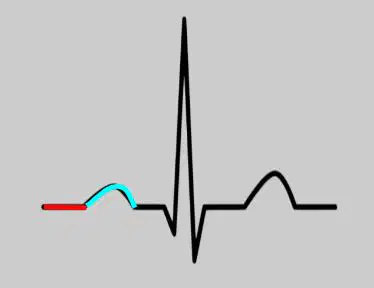
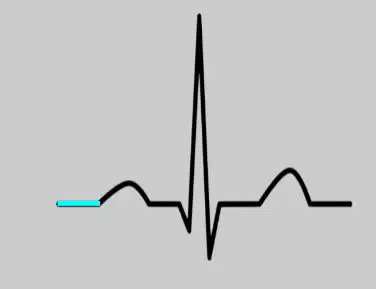
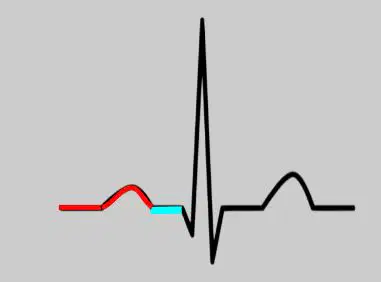
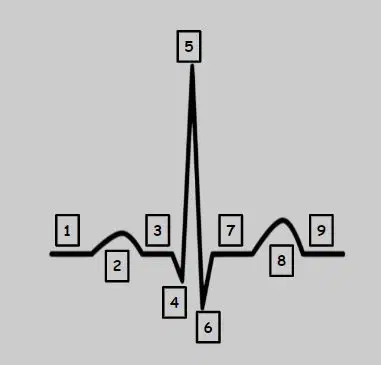
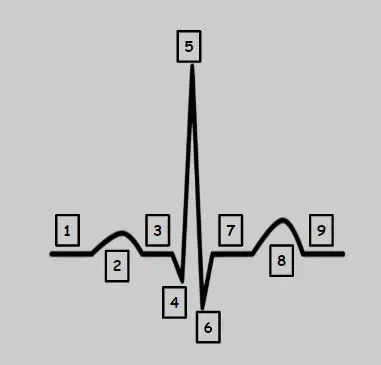
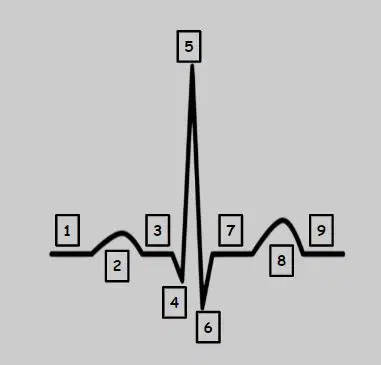
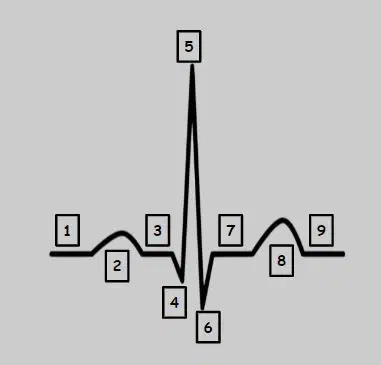
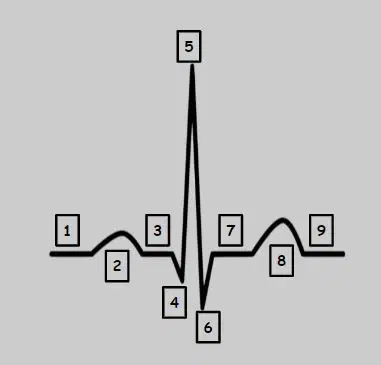
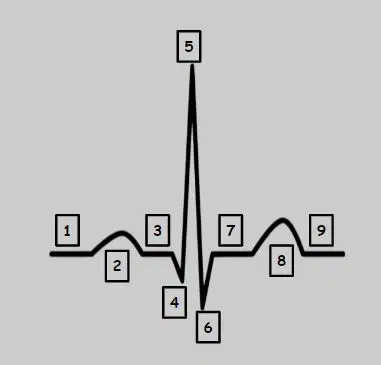
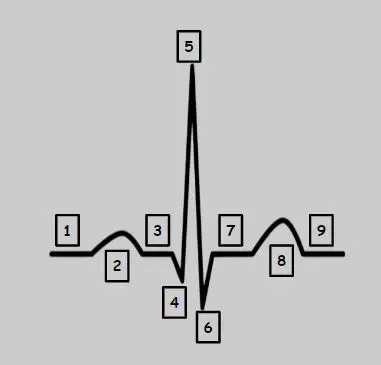
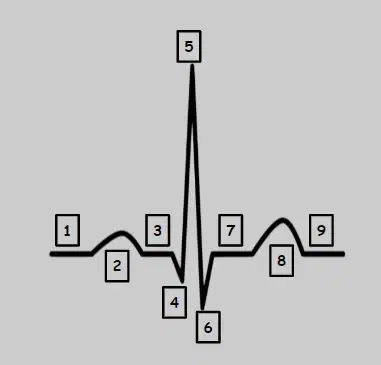
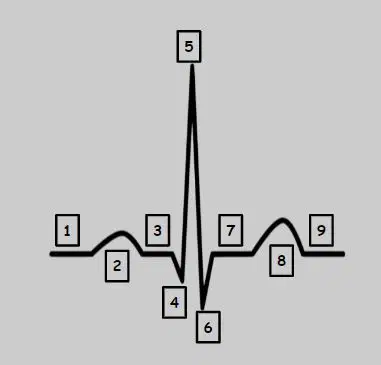
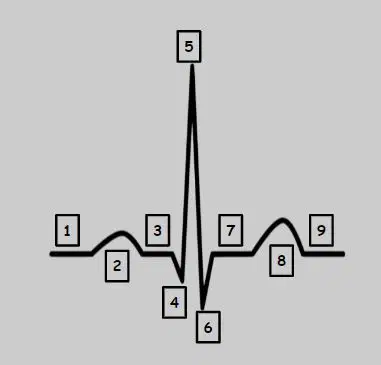
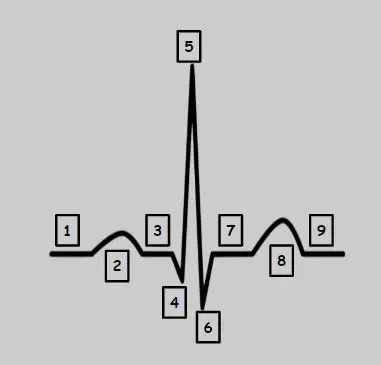
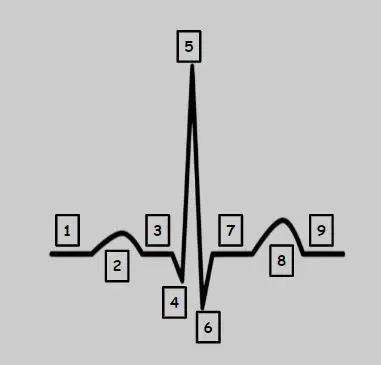
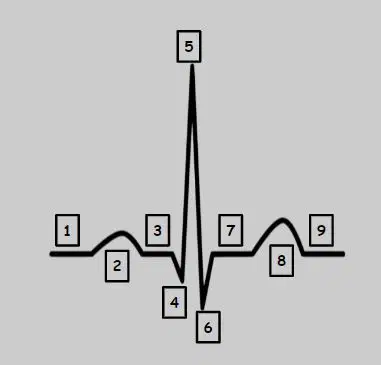
During which phase of an EKG, is the heart POLARIZED
a)
Option 1
b)
Option 2
c)
Option 3
d)
Option 4
e)
Option 5
34.
During which phase of an EKG, have both ventricles completely Repolarized
a)
Option 7
b)
Option 1
c)
Option 2
d)
Option 3
e)
Option 4
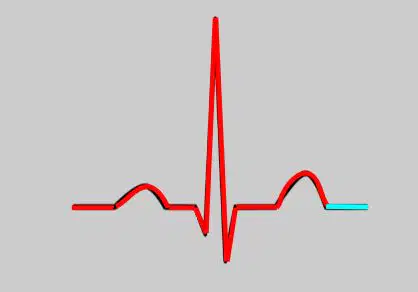
35.

During which phase of an EKG, is the heart ready to begin it's .8 second Cardiac Cycle
a)

Option 7

b)

Option 1

c)

Option 2

d)

Option 3

e)

Option 4
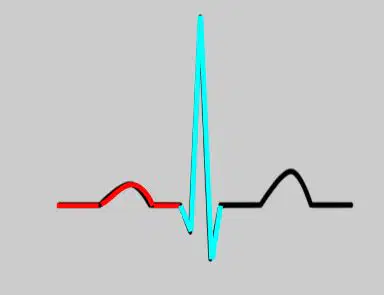
36.
During which phase of an EKG are the ventricles begining to relax
a)
Option 6
b)
Option 1
c)
Option 2
d)
Option 3
e)
Option 4
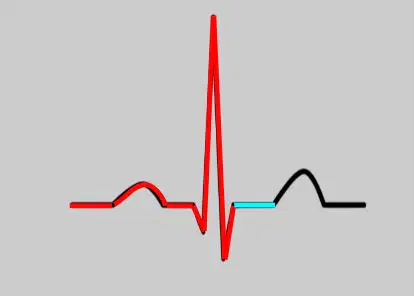
37.
During which phase of an EKG are the ventricles begining to REPOLARIZE
a)
Option 6
b)
Option 1
c)
Option 2
d)
Option 3
e)
Option 4
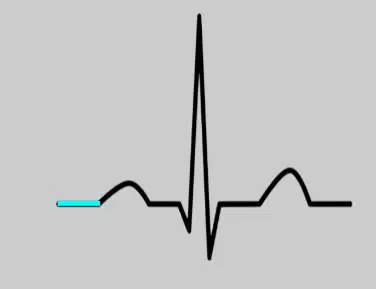
38.
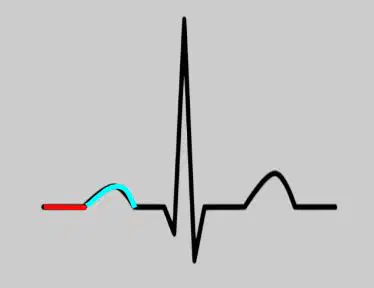
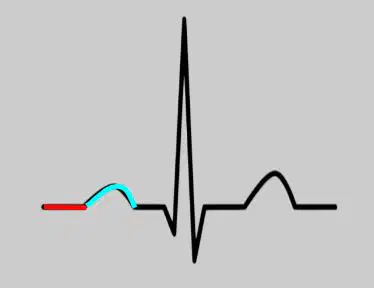
During which phase of an EKG are the Atria completely REPOLARIZED
a)
Option 5
b)
Option 1
c)
Option 2
d)
Option 3
e)
Option 4
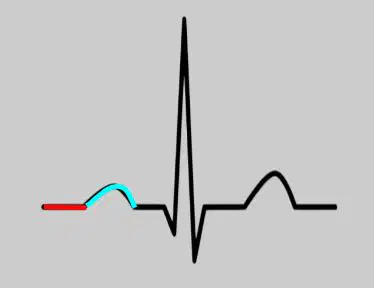
39.
During which phase of an EKG are the Atria completely relaxed
a)
Option 5
b)
Option 1
c)
Option 2
d)
Option 3
e)
Option 4
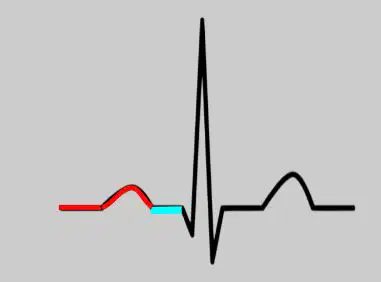
40.
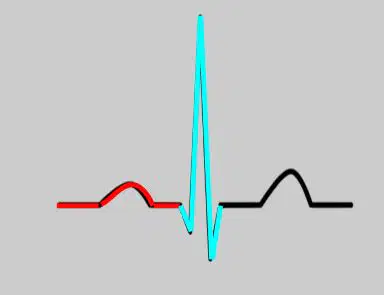
During which phase of an EKG are the Ventricles completely DEPOLARIZED
a)
Option 5
b)
Option 1
c)
Option 2
d)
Option 3
e)
Option 4
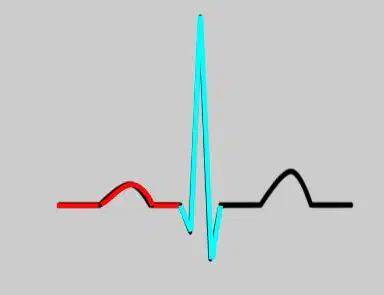
41.
During which phase of an EKG are the Ventricles completely contracted
a)
Option 5
b)
Option 1
c)
Option 2
d)
Option 3
e)
Option 4
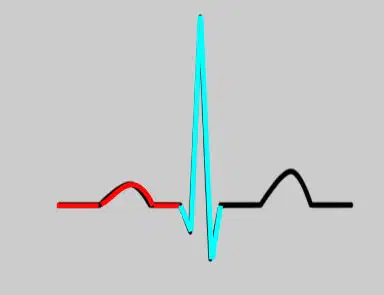
42.
During which phase of an EKG are the Ventricles completely DEPOLARIZED and the Atria are completely REPOLARIZED
a)
Option 5
b)
Option 1
c)
Option 2
d)
Option 3
e)
Option 4
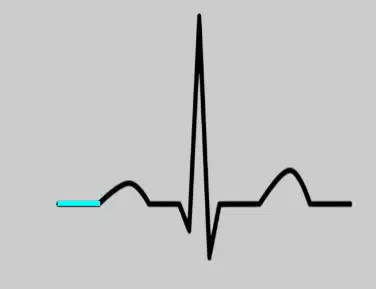
43.
During which phase of an EKG are the Ventricles begin to DEPOLARIZE and the Atria begin to REPOLARIZE
a)
Option 4
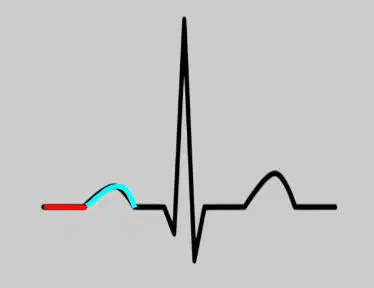
b)
Option 1
c)
Option 2
d)
Option 3
e)
Option 5
44.
During which phase of an EKG do the purkinje fibers fire
a)
Option 4
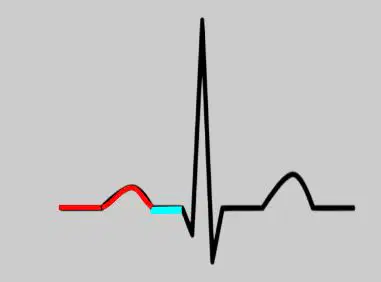
b)
Option 1
c)
Option 2
d)
Option 3
e)
Option 5
45.
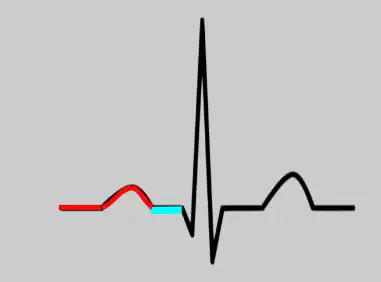
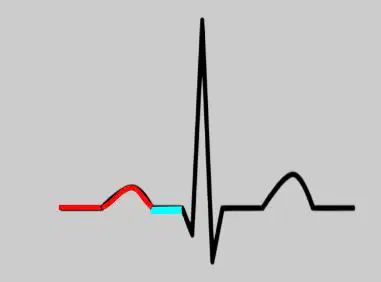
During which phase of an EKG does the AV Node relay an impulse to the Bundle of His
a)
Option 4
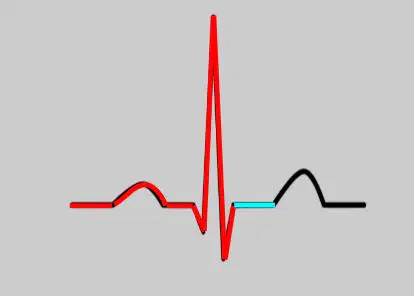
b)
Option 1
c)
Option 2
d)
Option 3
e)
Option 5
46.
During which phase of an EKG are the Atria completely DEPOLARIZED
a)
Option 3
b)
Option 1
c)
Option 2
d)
Option 4
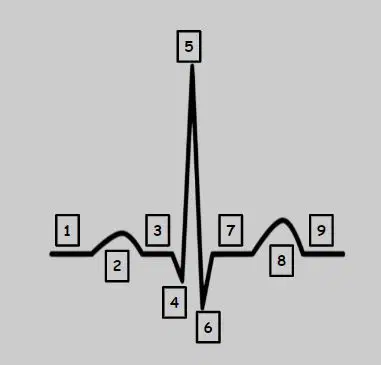
e)
Option 5
47.
During which phase of an EKG are the Atria completely contracted
a)
Option 3
b)
Option 1
c)
Option 2
d)
Option 4
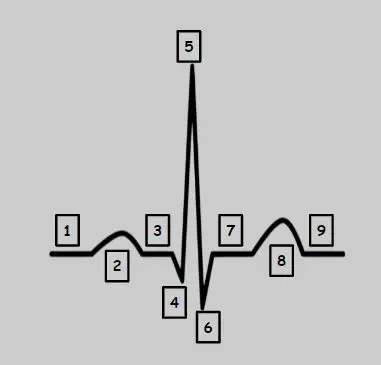
e)
Option 5
48.
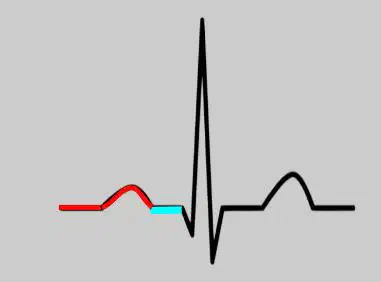
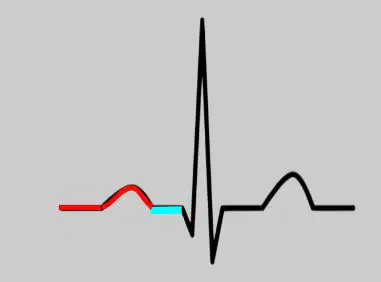
During which phase of an EKG does the AV Node pick up the electrical impulse
a)
Option 3
b)
Option 1
c)
Option 2
d)
Option 4
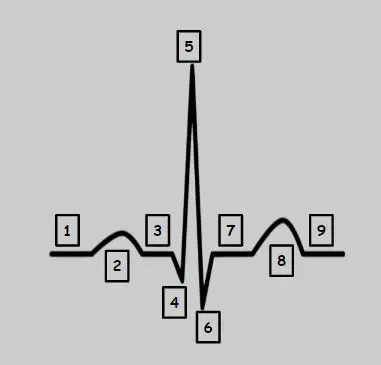
e)
Option 5
49.
During which phase of an EKG has the electrical impulse fired in both atria
a)
Option 3
b)
Option 1
c)
Option 2
d)
Option 4
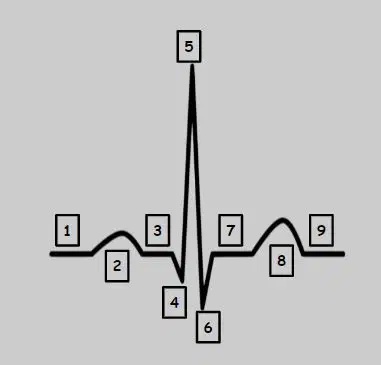
e)
Option 5
50.
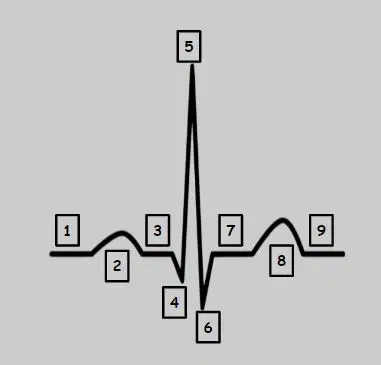
During which phase of an EKG does the SA Node fire
a)
Option 2
b)
Option 1
c)
Option 3
d)
Option 4
e)
Option 5
51.
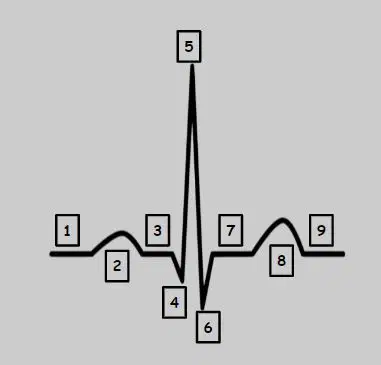
During which phase of an EKG do the Atrial Walls begin to Contract
a)
Option 2
b)
Option 1
c)
Option 3
d)
Option 4
e)
Option 5
52.
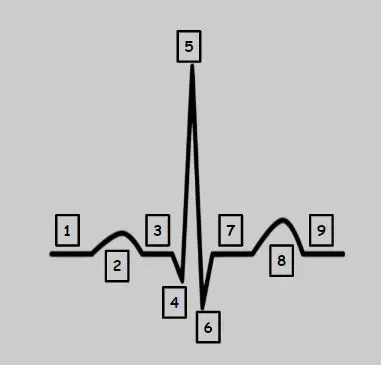
During which phase of an EKG do the Atrial Walls begin to Depolarize
a)
Option 2
b)
Option 1
c)
Option 3
d)
Option 4
e)
Option 5
53.
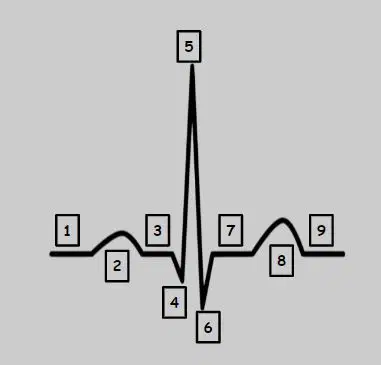
During which phase of an EKG does the Left Atria receive an electrical impulse
a)
Option 2
b)
Option 1
c)
Option 3
d)
Option 4
e)
Option 5
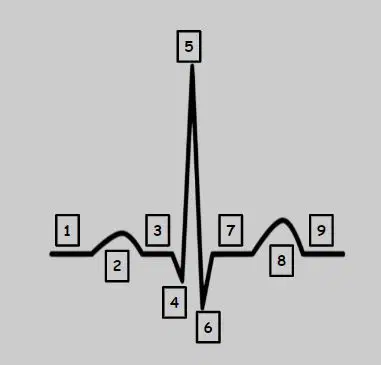
54.
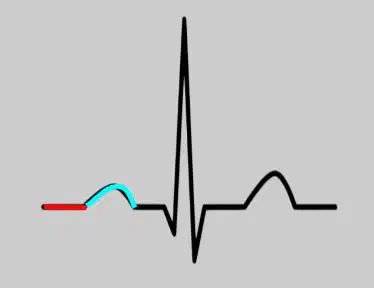
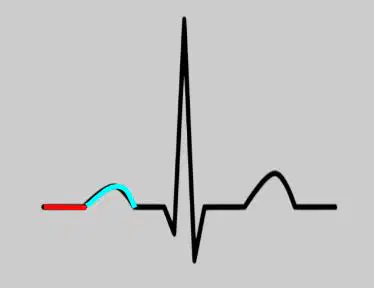
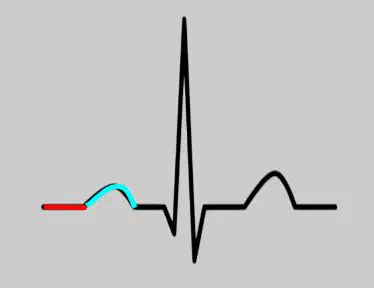
What part of the EKG is the P Wave
a)
2
b)
1
c)
3
d)
4
e)
5
55.
These parts of the EKG are really the same part of the cycle
a)
1
b)
9
c)
2
d)
3
e)
4
56.
What part of the EKG is the Q Wave
a)
4
b)
1
c)
2
d)
3
e)
5
57.
What part of the EKG is the R Wave
a)
5
b)
1
c)
2
d)
3
e)
4
58.
What part of the EKG is the S Wave
a)
6
b)
1
c)
2
d)
3
e)
4
59.
What part of the EKG is the T Wave
a)
8
b)
1
c)
2
d)
3
e)
4
60.
What part(s) of the EKG represent the heart being completely POLARIZED
a)
1
b)
9
c)
2
d)
3
e)
4
61.
What part(s) of the EKG represent the SA Node firing
a)
2
b)
1
c)
3
d)
4
e)
5
62.
What part(s) of the EKG represent the atria beginning to contract
a)
2
b)
1
c)
3
d)
4
e)
5
63.
What part(s) of the EKG represent the atria beginning to DEPOLARIZE
a)
2
b)
1
c)
3
d)
4
e)
5
64.
What part(s) of the EKG represent the atria in full contraction
a)
3
b)
1
c)
2
d)
4
e)
5
65.
What part(s) of the EKG represent the atria completely DEPOLARIZED
a)
3
b)
1
c)
2
d)
4
e)
5
66.
What part(s) of the EKG represent the atria beginning to REPOLARIZED
a)
4
b)
5
c)
6
d)
1
e)
2
67.
What part(s) of the EKG represent the ventricles beginning to DEPOLARIZED
a)
4
b)
5
c)
6
d)
1
e)
2
68.
What part(s) of the EKG represent the ventricles beginning to Contract
a)
4
b)
5
c)
6
d)
1
e)
2
69.
What part(s) of the EKG represent the atria beginning to Relax
a)
4
b)
5
c)
6
d)
1
e)
2
70.
What part(s) of the EKG represent the atria completely Relaxed
a)
7
b)
1
c)
2
d)
3
e)
4
71.
What part(s) of the EKG represent the ventricles completely Contracted
a)
7
b)
1
c)
2
d)
3
e)
4
72.
What part(s) of the EKG represent the ventricles completely DEPOLARIZED
a)
7
b)
1
c)
2
d)
3
e)
4
73.
What part(s) of the EKG represent the atria completely REPOLARIZED
a)
7
b)
1
c)
2
d)
3
e)
4
74.
What part(s) of the EKG represent the ventricles beginning to REPOLARIZE
a)
8
b)
1
c)
2
d)
3
e)
4
75.
What part(s) of the EKG represent the ventricles beginning to Relax
a)
8
b)
1
c)
2
d)
3
e)
4
76.
What part(s) of the EKG represent the ventricles completely Relaxed
a)
9
b)
1
c)
2
d)
3
e)
4
77.
What part(s) of the EKG represent the ventricles completely REPOLARIZED
a)
9
b)
1
c)
2
d)
3
e)
4
78.
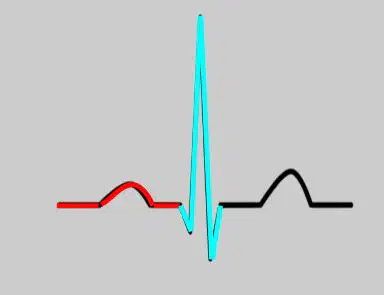
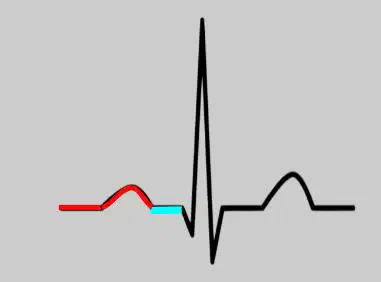
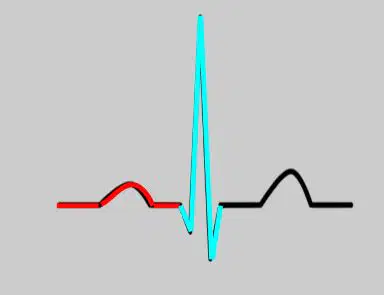
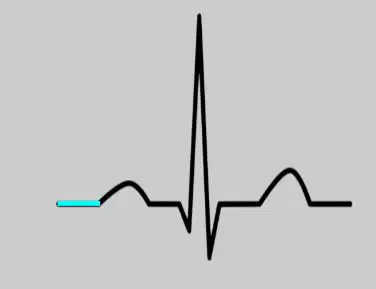
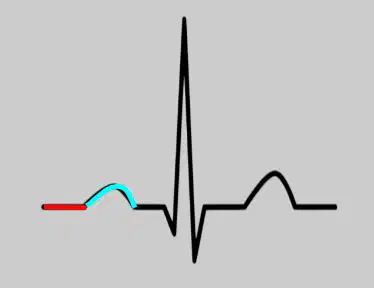
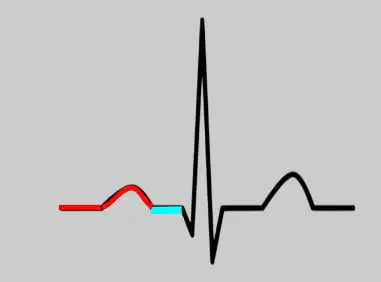
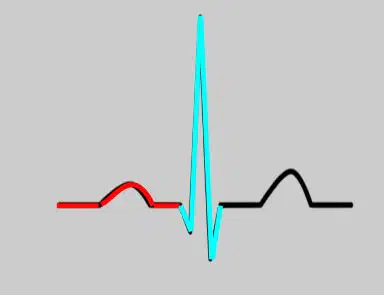
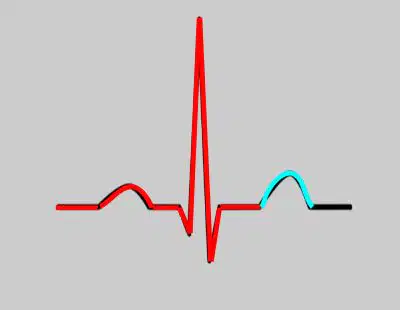
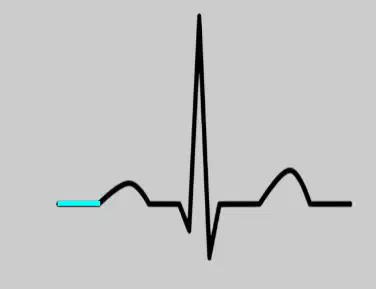
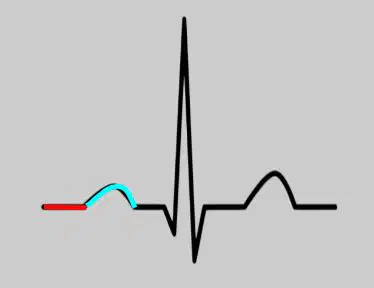
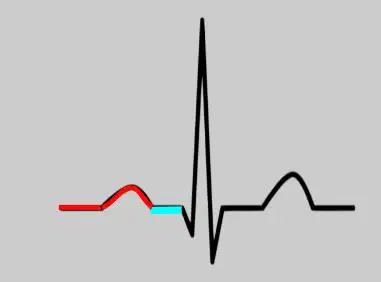
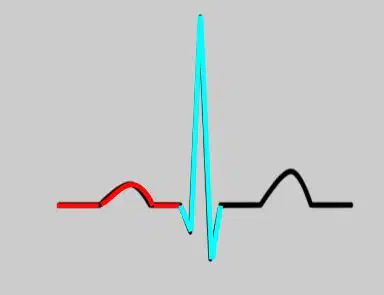
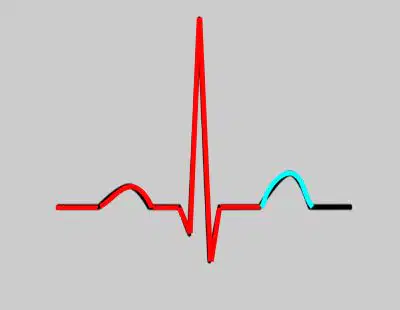
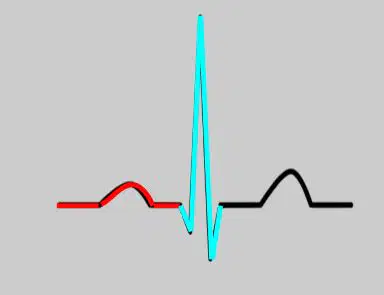
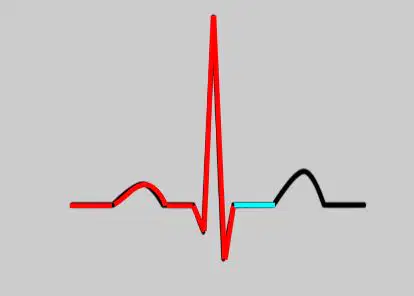
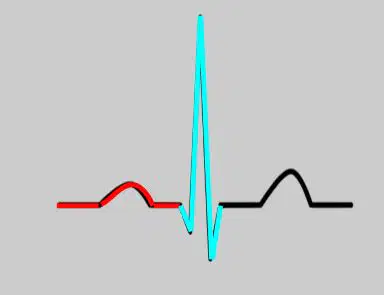
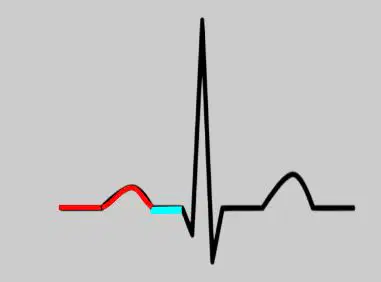
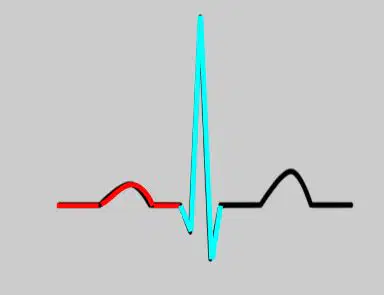
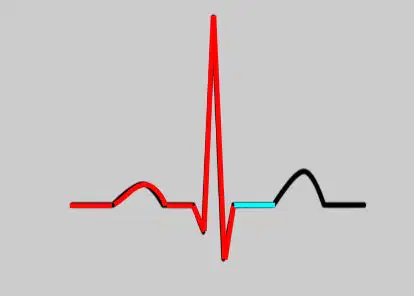
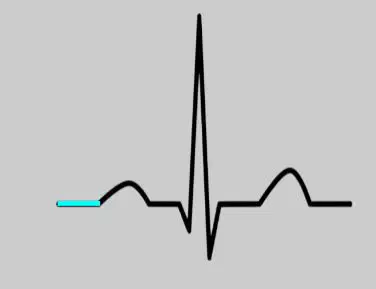
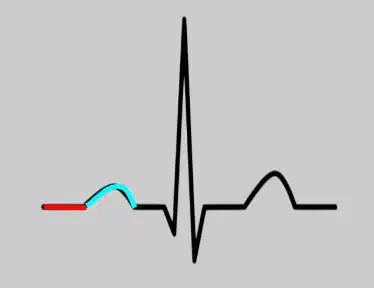
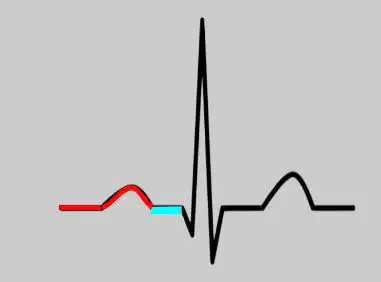
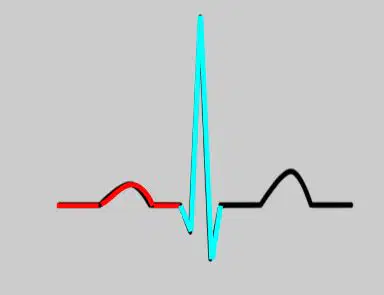
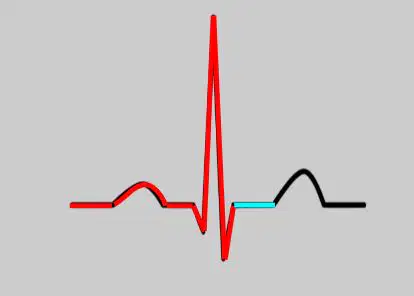
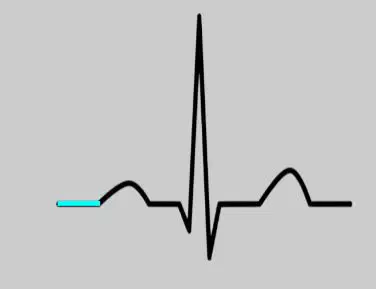
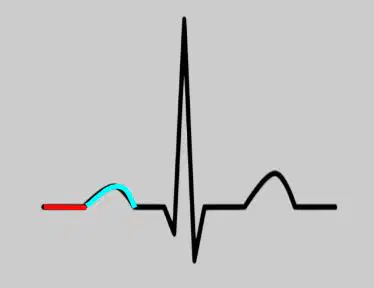
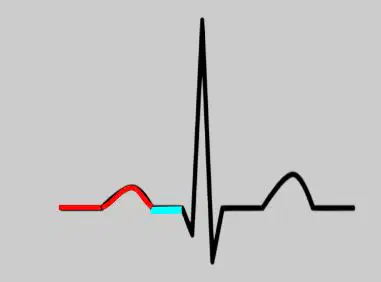
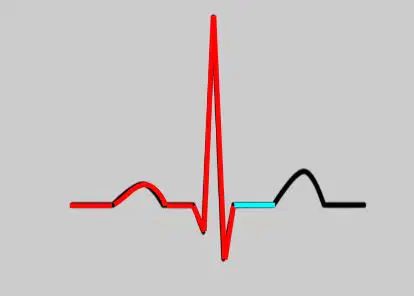
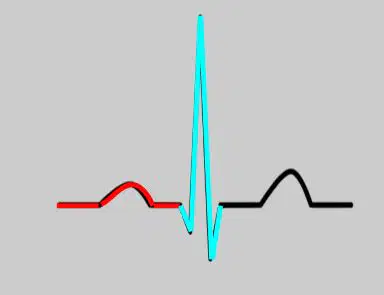
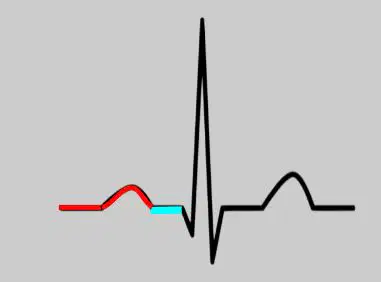
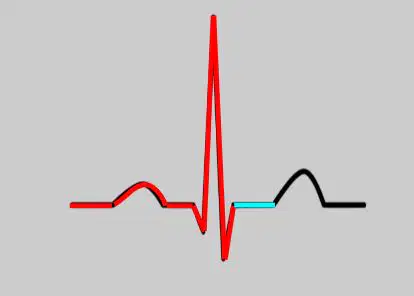
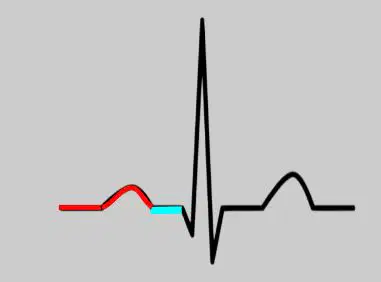
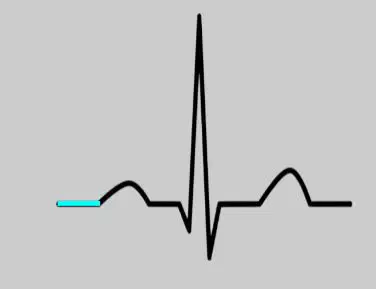
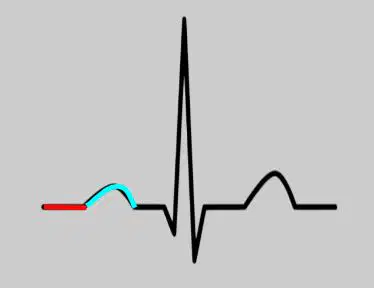
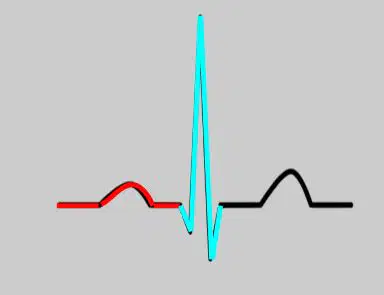
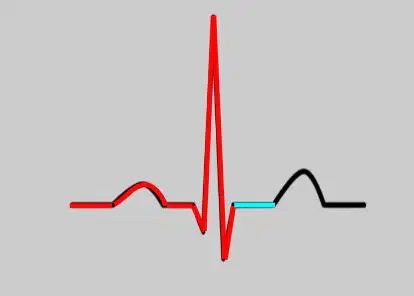
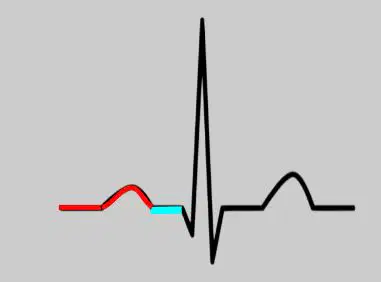
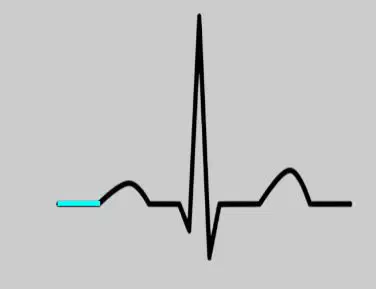
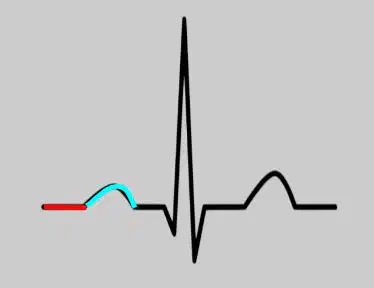
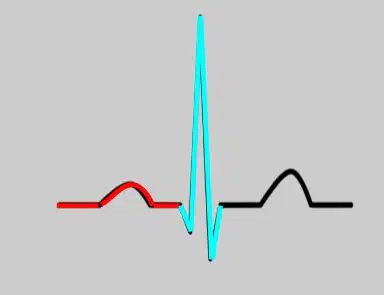
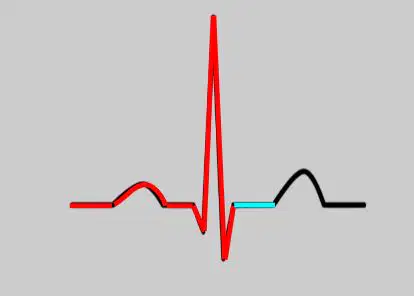
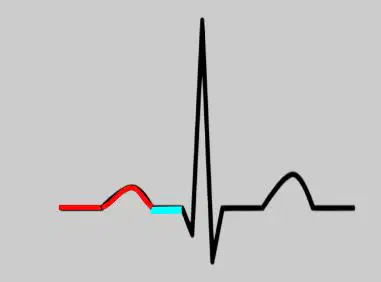
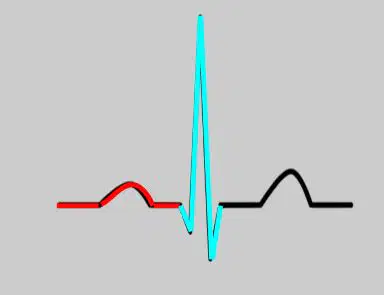
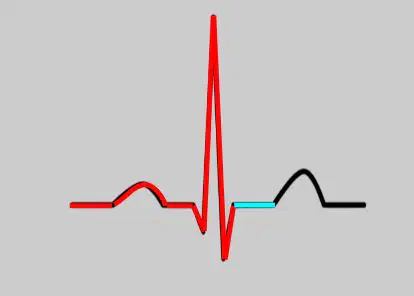
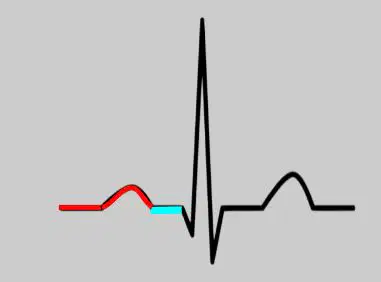
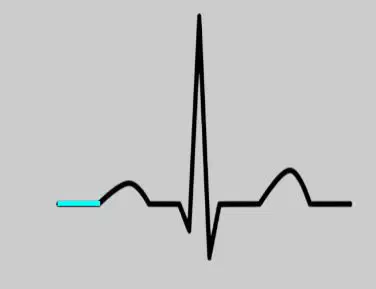
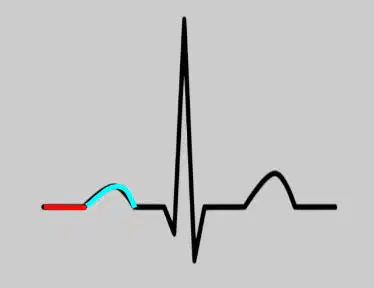
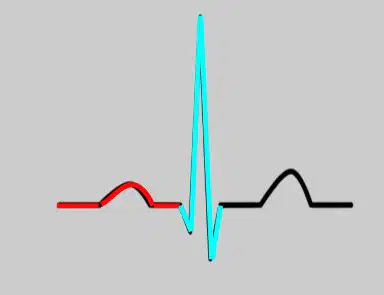
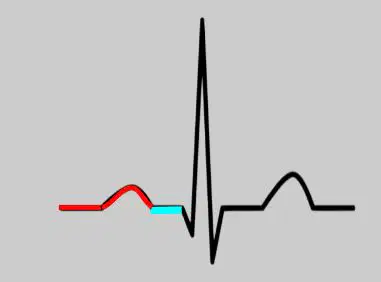
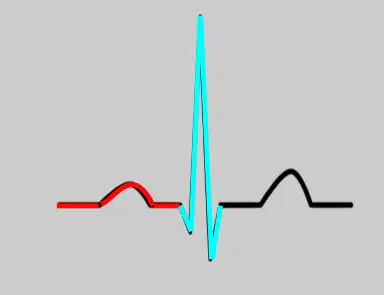
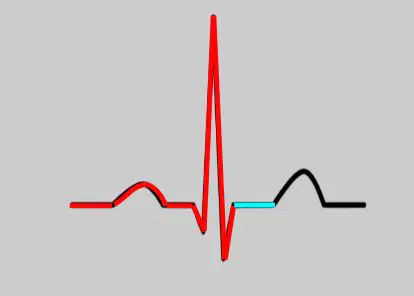
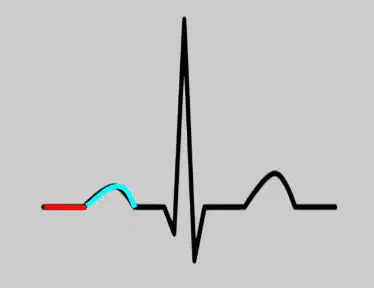
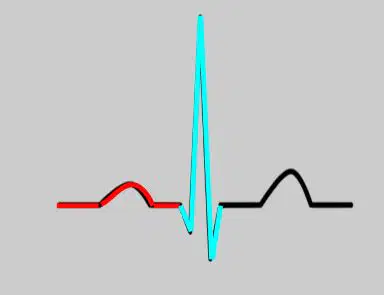
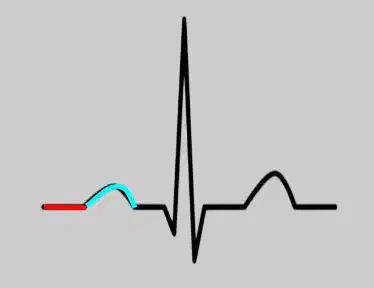
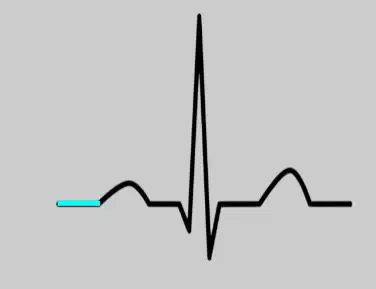
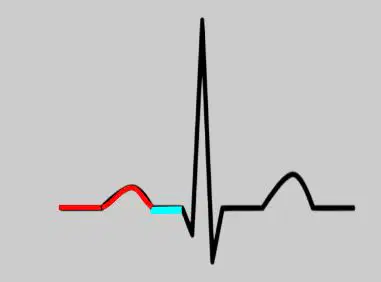
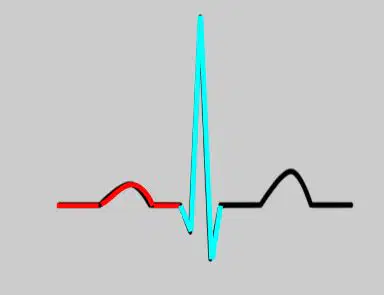
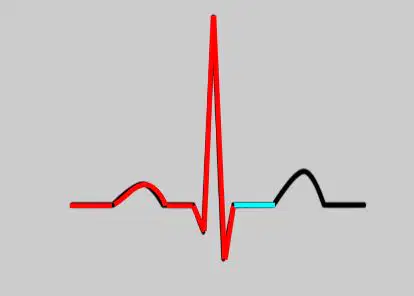
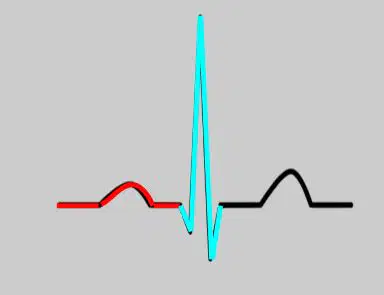
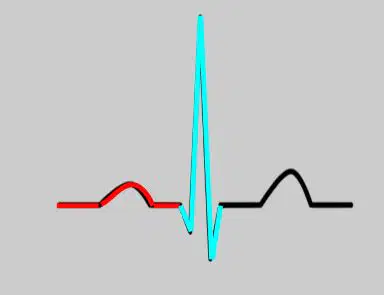
What part of the EKG is higlighed teal
a)
QRS Complex
b)
P Wave
c)
Q Wave
d)
R Wave
e)
S Wave
79.
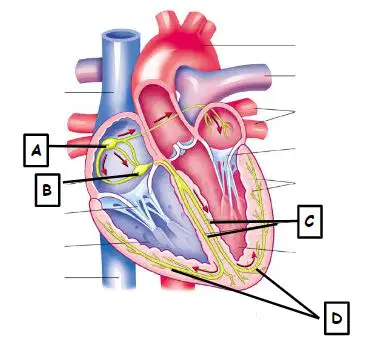
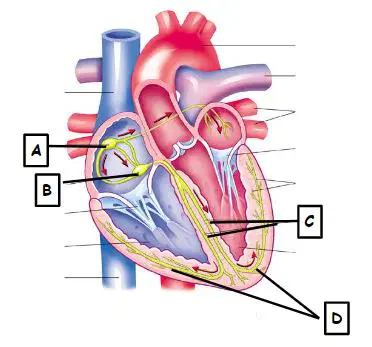
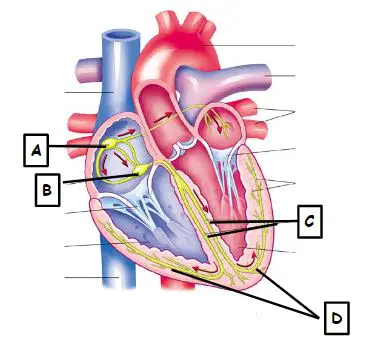
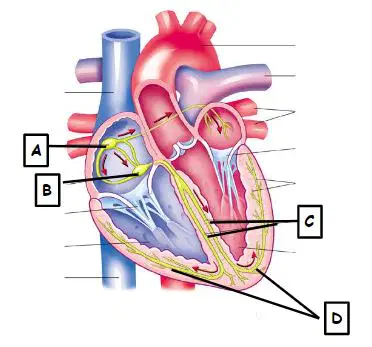
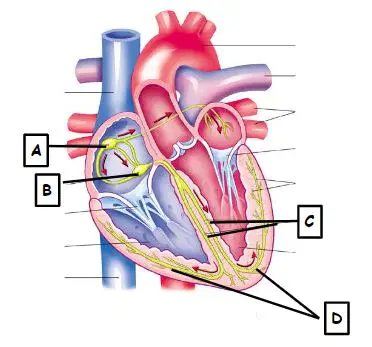
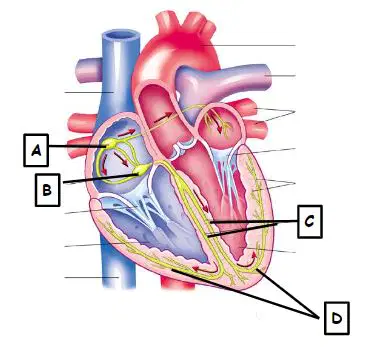
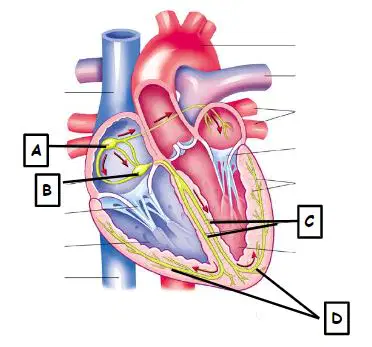
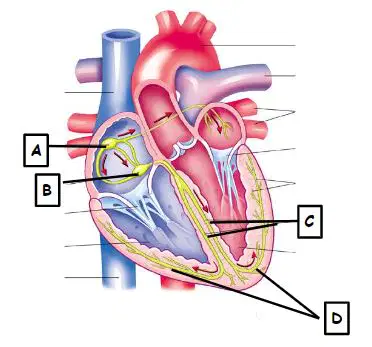
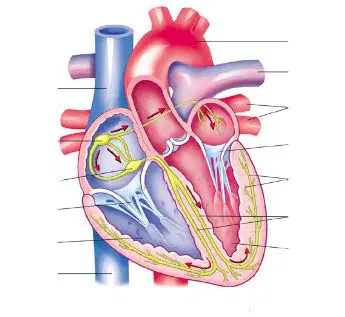
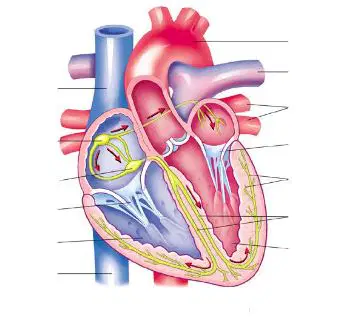
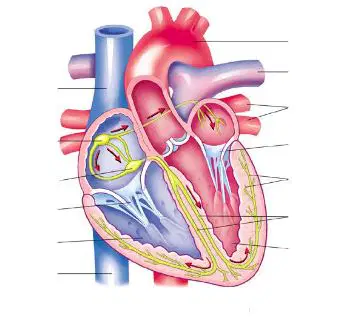
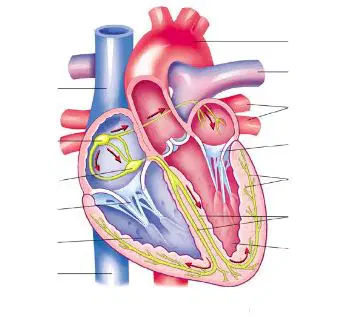
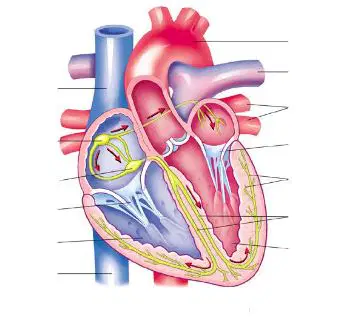
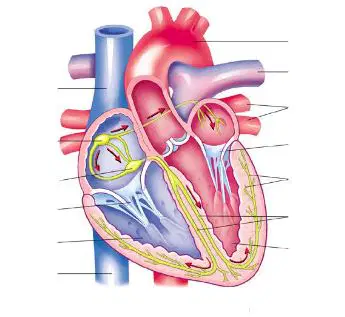
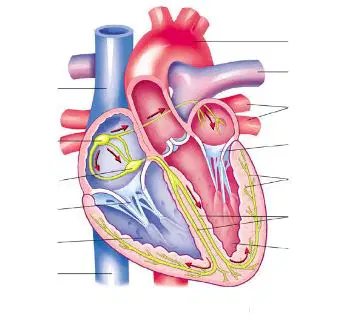
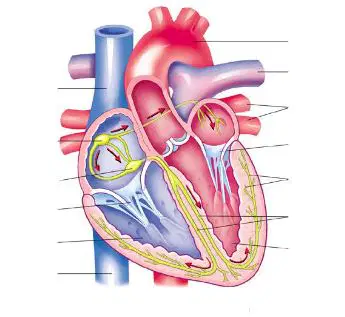
Which of the labeled parts represent the SA Node
a)
A
b)
B
c)
C
d)
D
80.
Which of the labeled parts represent the AV Node
a)
A
b)
B
c)
C
d)
D
81.
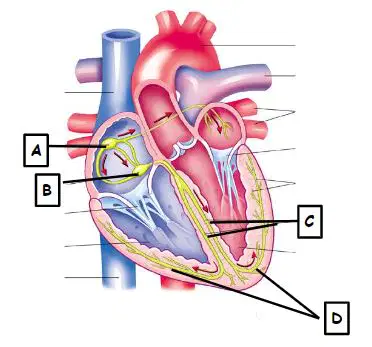
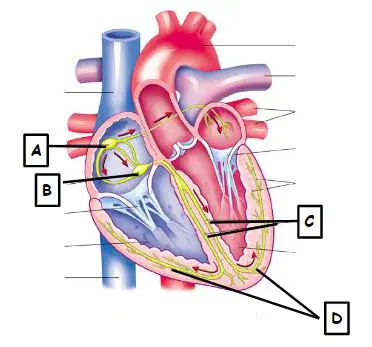
Which of the labeled parts represent the AV Bundle
a)
A
b)
B
c)
C
d)
D
82.
Which of the labeled parts represent the Bundle of His
a)
A
b)
B
c)
C
d)
D
83.
Which of the labeled parts represent the Purkinje Fibers
a)
A
b)
B
c)
C
d)
D
84.

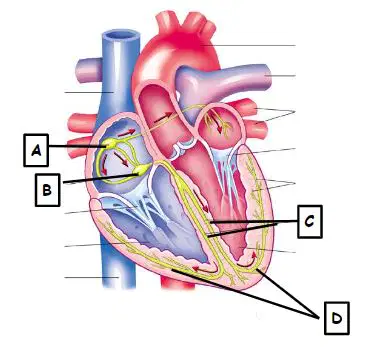
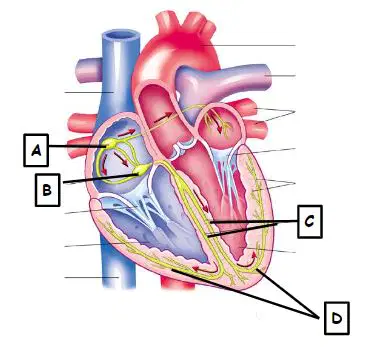
Which of the labeled parts represent Fibers that cause cardiac muscle to contract

a)

A

b)

B

c)

C

d)

D

85.
Which of the labeled parts represent Fibers that "Delay" an impulse
a)
A
b)
B
c)
C
d)
D
86.
Which of the labeled parts represent the Heart's Pacemaker
a)
A
b)
B
c)
C
d)
D
87.
Which of the labeled parts cause the Ventricles to Depolarize/Contract
a)
A
b)
B
c)
C
d)
D
88.
Which of the labeled parts cause the Atria to Depolarize/Contract
a)
A
b)
B
c)
C
d)
D
89.
Which of the labeled parts help to maintain a normal, consistent Sinus Rhythm (I didn't talk about this directly in class, but think about what a Sinus Rhythm is and what would help maintain that)
a)
A
b)
B
c)
C
d)
D
90.
Which of the labeled parts split the hearts electrical impulse so that it can be transmitted to both ventricles
a)
A
b)
B
c)
C
d)
D
91.
This part of the Hearts Electrical conduction system is found in the Upper Right Atrial Wall near the Superior Vena Cava
a)
SA Node
b)
AV Node
c)
Bundle of His
d)
Purkinje Fibers
92.
This part of the Hearts Electrical conduction system sets your heart rate
a)
SA Node
b)
AV Node
c)
Bundle of His
d)
Purkinje Fibers
93.
This part of the Hearts Electrical conduction system is what is attempted to restart with an AED (I discussed this in class)
a)
SA Node
b)
AV Node
c)
Bundle of His
d)
Purkinje Fibers
94.
This part of the Hearts Electrical conduction system is important in maintaining a normal sinus rhythm of the heart
a)
SA Node
b)
AV Node
c)
Bundle of His
d)
Purkinje Fibers
95.
This part of the Hearts Electrical conduction system causes a slight delay in the electrical impulse in continuing
a)
SA Node
b)
AV Node
c)
Bundle of His
d)
Purkinje Fibers
96.
This part of the Hearts Electrical conduction system is what relays the hearts electrical impulse to the lower chambers of the heart
a)
SA Node
b)
AV Node
c)
Bundle of His
d)
Purkinje Fibers
97.
This part of the Hearts Electrical conduction system is located near the boundary of the Interatrial and Interventricular Septums
a)
SA Node
b)
AV Node
c)
Bundle of His
d)
Purkinje Fibers
98.
This part of the Hearts Electrical conduction system is important in making shure the electrical impulse is conveyed to both Right and Left Ventricles
a)
SA Node
b)
AV Node
c)
Bundle of His
d)
Purkinje Fibers
99.
This part of the Hearts Electrical conduction system is located within the Interventricular Septum
a)
SA Node
b)
AV Node
c)
Bundle of His
d)
Purkinje Fibers
100.
This part of the Hearts Electrical conduction system is located within outer walls of the ventricles
a)
SA Node
b)
AV Node
c)
Bundle of His
d)
Purkinje Fibers
101.
This part of the Hearts Electrical conduction system causes depolarization of the ventricles
a)
SA Node
b)
AV Node
c)
Bundle of His
d)
Purkinje Fibers