
Font size
 Worksheets
Question Bank for Grade 6 English
Total questions: 291
Worksheet time: 8hrs 8mins
The author tells the reader about a character's personality
Direct Characterization
Indirect Characterization
The author shows the reader about a character's personality
Direct Characterization
Indirect Characterization
Uncle Jon smells bad and wears old clothes.
Does this sentence use direct or indirect characterization?
Direct Characterization
Indirect Characterization
Connor is a dishonest boy, with a loud mouth and an obnoxious manner.
Does this sentence use direct or indirect characterization?
Direct Characterization
Indirect Characterization
Sally is shy.
Does this sentence use direct or indirect characterization?
Direct Characterization
Indirect Characterization
Kevin texted back his friends, “ Yeah, I will be right over to the field as soon as I finish my algebra problems.”
Does this sentence use direct or indirect characterization?
Direct Characterization
Indirect Characterization
Dylan was bored.
Does this sentence use direct or indirect characterization?
Direct Characterization
Indirect Characterization
Whenever Martha is around a lot of people, she gets very quiet and finds it hard to start conversation.
Does this sentence use direct or indirect characterization?
Direct Characterization
Indirect Characterization
Whenever anyone tries to speak to Maddie, she says, "You don't know me," rolls her eyes, and walks away.
Does this sentence use direct or indirect characterization?
Direct Characterization
Indirect Characterization
Susan is very creative.
Does this sentence use direct or indirect characterization?
Direct Characterization
Indirect Characterization
Mackenzie always draws right after school. She showed her latest artwork to her art teacher the next day, and her teacher submitted it to an art competition. Mackenzie’s work won 2nd place!
Does this sentence use direct or indirect characterization?
Direct Characterization
Indirect Characterization
Davon is adventurous
Does this sentence use direct or indirect characterization?
Direct Characterization
Indirect Characterization
The "E" in STEAL is for the character's...
emotions
effects on others
effort
He was tall, dark haired, and handsome.
Does this sentence use direct or indirect characterization?
Direct Characterization
Indirect Characterization

Pete was a little strange - into sci-fi and comic books, but he was mature for his age and knowledgeable about many things.
Does this sentence use direct or indirect characterization?
Direct Characterization
Indirect Characterization
Mary looked away and shifted her feet when her father asked where the money went.
Does this sentence use direct or indirect characterization?
Direct Characterization
Indirect Characterization
Which POV uses "I, me, and my" to tell a story?
1st Person
2nd Person
3rd Person Objective
3rd Person Omniscient
Which POV uses "you" and "your" to tell a story?
1st Person
2nd Person
3rd Person Limited
3rd Person Objective
Which POV uses "he, she, and them" to tell a story?
1st Person
2nd Person
3rd Person
None of these
In 3rd person objective, you get to know the thoughts and feelings of...
1 character
All characters
3 characters
None of the characters
In 3rd person limited, you get to know the thoughts and feelings of...
1 character
2 characters
All of the characters
None of the characters
In 3rd person omniscient, you get to know the thoughts and feelings of...
None of the characters
2 of the characters
1 character
All of the characters
Point of view is defined as the perspective or vantage point from which a story is being told.
True
False
I ran up a steep hill. I was very hot and exhausted. It was a long race, but I was in the lead. I knew if I could keep my pace I would be able to win the race.
1st Person
2nd Person
3rd Person Omniscient
3rd Person Limited
How can you know that something is written in first person point of view?
Pronouns like he, she, and they are used.
The author addresses the reader.
The narrator is not in the story.
Pronouns like I, my, and we are used.
"A pain stabs my left temple and I press my hand against it. Right on the spot where Johanna Mason hit me with the coil of wire. The memories swirl as I try to sort out what is true and what is false" (Collins).
1st Person
2nd Person
3rd Person Limited
3rd Person Omniscient
"Jonas went to his own desk and began to sort through his school papers from the evening's assignment. But his mind was still on December and the coming Ceremony. Though he had been reassured by the talk with his parents, he hadn't the slightest idea what Assignment the Elders would be selecting for his future..." (Lowry).
1st Person
2nd Person
3rd Person Objective
3rd Person Limited
"We've got Father and Mother and one another," said Beth. Beth was the shy one. She always looked on the bright side of things. "We haven't got father," said Jo sadly... The girls were suddenly silent. Light from the fire shone on their faces. They were thinking of Father. (Alcott).
1st Person
2nd Person
3rd Person Omniscient
3rd Person Limited
"People call me the Freeway Gorilla. The Ape at Exit 8. The One and Only Ivan, Mighty Silverback. The names are mine, but they're not me. I am Ivan, just Ivan, only Ivan" (Applegate).
1st Person
2nd Person
3rd Person Limited
3rd Person Objective
A narrator can see and describe every characters' thoughts.
1st Person
2nd Person
3rd Person Limited
3rd Person Omniscient
I didn't like creeping down the dark alley.
1st Person
2nd Person
3rd Person Limited
3rd Person Objective
Third person limited is when the author reveals the thoughts and feelings of...
One character
More than one character
Nobody
The author
A type of narrative perspective in which the author uses pronouns like ''your" and "you."
1st Person
2nd Person
3rd Person Objective
3rd Person Omniscient
You know you have to get to class on time, but you decide to stop off at the vending machine for some Hot Cheetos. You can’t help it! You love Hot Cheetos but now you have a detention for being late to class.
1st Person
2nd Person
3rd Person Limited
3rd Person Omniscient
Carman hit the garage door button. There was no response. This frustrated Carman, who hit the button several more times in a fit of rage. Still, there was no response. Kathy said, "Let me try, Carman." Kathy believed that Carman was a clumsy oaf and that he was hitting the button incorrectly. She tested her suspicions by hitting the button gently. The opener whirred and pulled up the garage door. Carman felt embarrassed. Kathy was happy that they would be able to leave the garage now.
1st Person
2nd Person
3rd Person Limited
3rd Person Omniscient
The parade marched down the street. It was led by a caped drummer. He set a stately pace and tapped the accompanying rhythm. A marching band followed behind him, matching his pace. Behind the band were floats of all sizes and designs. Children and adults were riding on the floats, tossing out penny candies, streamers, and plastic prizes. The street was lined with people. The noises of revelry filled the streets.
1st Person
2nd Period
3rd Person Objective
3rd Person Limited

The dew on the grass made my running shoes damp. It didn't bother me. The sound of my feet hitting the street formed a rhythm, a steady pattern of light thumps. I timed my breathing with the rhythm. These sounds filled my head. I thought of nothing other than the next step and keeping my tempo. I soared over the sidewalks like concrete clouds.
1st Person
2nd Person
3rd Person Omniscient
3rd Person Objective

Red looked across the prairie. He didn't see anything concerning. He wondered why Texas Joe had hollered like that. Texas Joe turned to him. The ghost that Texas Joe had just seen was gone. Texas Joe swatted at the air. Now he felt crazy. "You have to believe me, Red. It was just here," said Texas Joe. Red scowled at him in disbelief. "What was just here, Joe?" he asked. Red was angry with Texas Joe for disturbing his sleep for no apparent reason.
3rd Person Limited
3rd Person Objective
3rd Person Omniscient
First Person

If you are confused about something in class, don't wait. Raise your hand and ask for help immediately. Do it while your teacher is still explaining the material. Your teacher will probably be happy that you are taking an active part in your education and should attempt to explain the material in a different way. If you are still confused, ask your teacher if he or she is available after class to give you additional instruction. You are worth it. Don't give up on yourself.
1st Person
2nd Person
3rd Person Limited
3rd Person Omniscient

April opened the escape hatch. She was afraid to jump, but she realized that the airship was sinking. She looked at Vince, who was strapping on his parachute. Vince locked eyes with her and then he realized the error in his conduct. "I'm sorry, April. That was ungentlemanly of me. Let me help you with yours." He proceeded to attach the other parachute to April's back. This made him feel a little better.
3rd Person Objective
3rd Person Omniscient
1st Person
3rd Person Limited

As you buckle your seat belt, safety instructions are broadcast over the in-flight system. A stewardess models the actions in sync with the broadcast. You turn to your right. An extremely rotund man is snoring. He looks like he is about to fall onto your shoulder. You look to your left. You see a man with a Mohawk is listening to loud punk music. You can hear it as though you were the one wearing headphones. You sigh and pull up your tray table as instructed.
3rd Person Limited
3rd Person Objective
1st Person
2nd Person

A bus drove by Kiko as she sat on the park bench. A woman pushed a double stroller with a set of twins down the sidewalk. Several pigeons approached Kiko. "Go away, flying rats. I do not have any food for you," Kiko shouted at the birds. They squawked and flew off. Kiko crossed her legs and took a deep breath. She picked up the newspaper, flipped through a few pages, and put it back down. Then her phone rang.
3rd Person Objective
3rd Person Omniscient
3rd Person Limited
2nd Person

The stars were burning brightly in the night sky. The evening breeze felt cool on my skin. It was the last night of summer break and I was calm, oddly calm. It's not that I was excited to go back to school. I wasn't. School is a lot of work for me. But I was excited to see my friends again, and I knew that she would be there.
3rd Person Objective
2nd Person
1st Person
3rd Person Limited
Which POV uses "I, me, and my" to tell a story?
1st person
2nd person
3rd person objective
3rd person omniscient
Which POV uses "you" and "your" to tell a story?
1st person
2nd person
3rd person limited
3rd person objective
Which POV uses "he, she, and them" to tell a story? Check all that apply.
1st person
2nd person
3rd person omniscient
3rd person objective
In 3rd person objective, you get to know the thoughts and feelings of...
1 character
all characters
3 characters
none of the characters
In 3rd person limited, you get to know the thoughts and feelings of...
1 character
2 characters
none of the characters
all of the characters
You know you have to get to class on time, but you decide to stop off at the vending machine for some Hot Cheetos. You can’t help it! You love Hot Cheetos but now you have a detention for being late to class.
1st Person
2nd Person
3rd Person Limited
3rd Person Omniscient
What is a NARRATOR?
The main character, protagonist
The person telling the story
The author of the story
The antagonist, the villain in the story
Which narrator point of view is this an example of?
"She started to write about what she was feeling. The words poured out of her like a river."
1st person
2nd person
3rd person
Which narrator point of view is this an example of?
"I grabbed my books and stormed away. I couldn't believe she said that to me!"
1st person
2nd person
3rd person
The sound of traffic filled the street. I pressed the doorbell again. I wondered if the button worked. Could the person inside hear the sound of the buzzer over the traffic noises? Were they even home? I decided that it didn't matter. I checked the address off my list and proceeded to the next house. Somebody was going to order cookies from me today. Somebody.
first-person
second-person
third-person objective
third-person limited
third-person omniscient
The sweltering weather is so uncomfortable. We turned on all our electric fans but it didn't help much.
stormy
very hot
windy
rainy
Luis was adamant and insisted, "But Mom said she was preparing dinner tonight!"
stubborn
happy
mean
nervous
The new student on our soccer team is a novice because they are just learning how to play.
expert
skilled
beginner
energetic
Aaron is a wonderful piano player, but Sophia is more versatile; she sings, acts, paints and writes poetry, and also plays the piano.
boring
exciting
skillful
skinny
Ms. Hallett did not have lunch or breakfast, so she was famished by dinnertime.
dizzy
tired
full
hungry
I was so parched, I drank an entire glass of water in one gulp.
sleepy
hungry
thirsty
exhausted
They were ecstatic at the birth of their baby. They couldn't stop smiling for days.
excited
nervous
relieved
disappointed
As the summer sun sent scattered rays through the maple and oak leaves overhead, the young deer stood frozen, making it almost impossible for the hikers to see her.
very cold
visible
not moving
melted
Poor Farmer Chavez labors sixteen hours a day and never has time for a vacation. He deserves better! Everyone should have at least one day a week for rest and relaxation.
plays
eats
bathes
works
Put this medicine on your arm and rub it into your skin until it's invisible. It will inhibit the infection's attempt to spread
itch or burn
help do something important
block or slow down
live in a certain place
What does the word "apprehensive" mean?
What does the word "jovial" mean?
What does the word "wretched" mean?
What does the word vacillatde mean?
What does the word "quandary" mean?
What does the word "bamboozled" mean?
What does the word "decorum" mean?
What does the word "belligerent" mean?
What does the word "accolades" mean?
I was upset that the ebook file was truncated because I couldn't find out how the story ended.
What does gargantuan mean?
What does garrulous mean?
What is a symbol?
a sign
something representing something else
an object
characters in a story

What does a heart typically symbolize?
fear
time
love
hunder

A dog does NOT symbolize...
loyalty
protection
friendship
mystery

What does this symbol represent?
beauty
royalty
life
king or queen

What might a "storm" symbolize?
A difficult time
Thunder and lightning
A party
Cold weather
Which of the following symbols may represent a broken relationship?
A Siberian Tiger
Shattered glass
Fire
Stars
Which bird symbolizes peace and tranquility?


The color red symbolizes what two emotions?
sadness
happiness
love
anger
Ana had spent an unhappy night of tossing and turning. Yesterday, the wrong move had caused her to lose the volleyball match. As she sat up in bed the next morning, she could see the sun just peeking over the bushes in her back yard. As the sun rose higher and shined more brightly, Ana felt her spirits lifting. Feeling her confidence return, Ana thought to herself, I know I can work harder, and I'll make the team forget yesterday ever happened.
In this passage, the rising sun symbolizes—
Ana's house
volleyball
a second chance
a sleepless night
One hot summer day, a weary fox padded down a dusty road, desperate for food and drink. He had traveled for miles without finding so much as a berry to nibble or a puddle of water to sip from.
Suddenly, a beautiful aroma filled the air. The fox sniffed and sniffed, his mouth watering in anticipation. Then he looked up. Several feet above him, trailing along a trellis, was a vine full of juicy grapes.
The fox jumped up, but he could not reach them. Then he backed up, took a running start, and leaped as high as he could. Still, the grapes remained out of reach. Again and again, he tried, with no success.
Finally, exhausted and faint from his efforts, the fox gave up and went on his way. "Oh, well," he sneered, "no big loss. I could tell those grapes were sour anyway."
In this passage, the grapes symbolize—
something that a person wants but can't have
a desire to be happy and independent
a delicious, satisfying meal
a decision that is difficult to make
What is symbolism?
When the author uses an object or reference to add deeper meaning to a story
A reference to another literary work
The tone of the story
The events of the story


This symbol symbolizes what?
life
air circulation
recycling
life cycle

This symbolizes what?
peace
grief
death
positivity
True or False: Symbols can only have one meaning.
True
False

Which animal symbolizes wisdom and knowledge?
Mouse
Rabbit
Owl
Monkey
-first
-now
-later
-(actual dates)
Which text structure includes the signal words: -if/ then -therefore -because
-so that
-question/answer
- puzzle is solved
-both
-alike
-different
-yet
In a text with a sequence text structure, the author
describes a topic and its characteristics.
tells about events in the order they happened.
explains how things are similar and different.
describes a problem and then explains how someone solved it.
In a text with a compare and contrast text structure, the author
explains something that happened and the reasons why.
tells about events in the order they happened.
explains how things are similar and different.
describes a problem and then explains how someone solved it.
In a text with a cause and effect text structure, the author
explains something that happened and the reasons why.
tells about events in the order they happened.
explains how things are similar and different.
describes a problem and then explains how someone solved it.
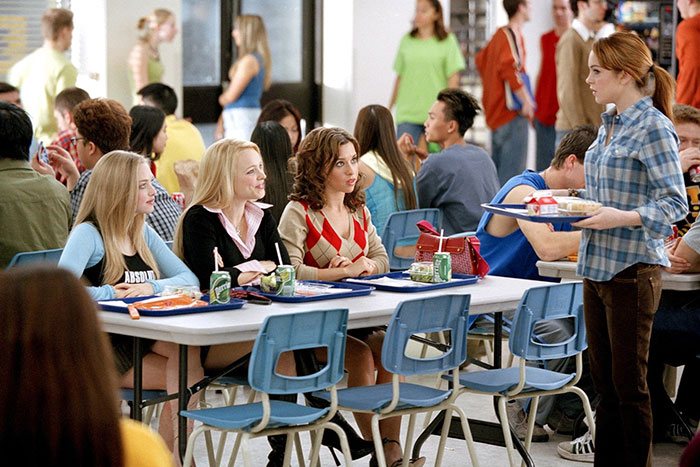
Identify the main text structure used in the passage below.
Many students in the US say that they've been bullied at school. Natalie Hampton is a high school student who was bullied a lot in middle school. She often had no one to sit with at lunch. So, to remedy the issue, she created a phone app called "Sit With Us." This app lets students sign up and post when there are free seats at their lunch tables. These students have promised to be kind to those who come sit with them. Hampton hopes her app will help students find people to sit with without fear of being bullied.
description
problem/solution
compare/contrast
sequence
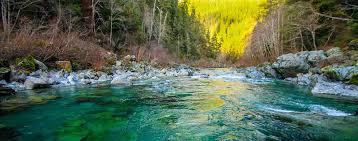
Identify the main text structure used in the passage below.
Some rivers begin in mountains or hills, where rain water or snow melt collects and forms small channels. At first, the channels are small. Then, as more water enters the channels they grow, forming gullies (larger channels). Finally, the streams in the gullies eventually become big enough to form a river.
description
problem/solution
compare/contrast
sequence
I do my chores each Saturday.
First, I fold the laundry and put it away.
Then I sweep and mop the kitchen floor.
After that, I empty all the garbage cans and
the recycling. Finally, when all of my chores are
finished, I can go outside to play.
compare and contrast
problem and solution
despriction
sequence
In a text with a sequence text structure, the author
describes a topic and its characteristics.
tells about events in the order they happened.
explains how things are similar and different.
describes a problem and then explains how someone solved it.
In a text with a cause and effect text structure, the author
explains something that happened and the reasons why.
tells about events in the order they happened.
explains how things are similar and different.
describes a problem and then explains how someone solved it.
In a text with a compare and contrast text structure, the author
explains something that happened and the reasons why.
tells about events in the order they happened.
explains how things are similar and different.
describes a problem and then explains how someone solved it.
Which text structure has steps?
Description
Compare and Contrast
Sequential Order
Problem and solution
Cause and Effect
Which text structure explains how things are the same or different?
Description
Compare and contrast
Sequential Order
Problem and Solution
Cause and Effect
Which text structure tells how something makes something else happen?
Description
Compare and Contrast
Sequential Order
Problem and Solution
Cause and effect
Which text structure has a problem, which is solved?
Description
Compare and contrast
Sequential Order
Problem and solution
Cause and Effect
Which text structure has details?
Description
Compare and Contrast
Sequential Order
Problem and Solution
Cause and Effect
Which text structure is written in a specific time order?
Descritpion
Compare and Contrast
Sequential Order
Problem and Solution
Cause and Effect
Which text structure compares similarities and differences?
Description
Compare and Contrast
Sequential Order
Problem and Solution
Cause and Effect


What is the tone of the dialogue?
"I will not!" she shouted. "I will not be left at the mercy of our enemies while you slink away!" (108).

Bursting through the door, the flustered mother screamed uncontrollably at the innocent teacher who gave her child an F.
Thank you for the new outfit and shoes. Now I am excited about the first day of school. I can't wait to wear my new outfit. I really wanted that shirt, but I didn't have enough money for it. Thanks again! I love you!
- Mollie
Which word best describes the tone of this note?
I really miss you! I wish my family would move back to Springfield. I don't like it here in Alaska. There isn't much sunlight at this time of the year. I haven't made many friends at my new school, and there is never anything to do. Do you miss me, too?
- Erin
Which word best describes the tone of this note?
The alarm buzzed. Jordan smashed her fist down on it--hard. It flew off the nightstand and bounced off her cat, Armstrong. The cat yowled indignantly and rocketed out the room.
Which of the following best reflects the MOOD of this passage?

Tone is most closely related to:
Emotion.
Capitalization
Erudition
Punctuation.
What is the tone of the following sentence? "'Here we go again,' he moaned, as he watched the other team score yet another goal."
Joy
Fury
Excitement
Frustration
Which of the following is a true statement about mood and tone?
Mood and tone are not at all alike, and are therefore never related.
Because they are so similar, a story's mood and tone are always the same
Even though they sound similar, a story's mood can be very different than its tone
A story's tone is always established by its mood.
What can you infer about Macey?
What can you infer about how the teacher will react?
We can infer that…
The TIME and LOCATION that a story takes place is its what?
Characters
Resolution
Setting
Climax
What is a PERSON or ANIMAL which takes part in the action of a story called?
Narrator
Character
Setting
Plot
The CENTRAL, MAIN CHARACTER of a story is called the ____________.
Narrator
Villian
Antagonist
Protagonist
The character who OPPOSES the MAIN CHARACTER is called the __________.
Antagonist
Narrator
Protagonist
Hero
What is the SEQUENCE of EVENTS in a story called?
Resolution
Climax
Conflict
Plot
A STRUGGLE or PROBLEM between two opposing forces usually a protagonist and an antagonist.
Climax
Conflict
Inciting Incident
Falling Action
The event that sets the central conflict in motion. The event that HOOKS the reader into the story.
Without this, there would be NO story.
Rising Action
Exposition
Falling Action
Inciting Incident
A related SERIES of EVENTS that BUILD TOWARD the point of greatest interest or THE CLIMAX.
Ask: What events make the conflict WORSE?
Falling Action
Exposition
Rising Action
Climax
TURNING POINT in a story; the conflict or tension hits the HIGHEST point. The most SUSPENSEFUL part.
After this, everything begins to change.
Exposition
Resolution
Climax
Conflict
Occurs AFTER THE CLIMAX as the characters work toward resolution (ending). Conflict unravels and the character wins or loses.
Ask: How do they start to FIX the conflict?
Falling Action
Rising Action
Resolution
Inciting Incident
The point at which the CONFLICT is FIGURED OUT or RESOLVED.
Does not have to be a "happy ending."
Plot
Exposition
Resolution
Climax
Provides BACKGROUND INFORMATION about the SETTING and CHARACTERS to the audience.
-Setting: Where/When
-Characters: Who/Background Knowledge
Exposition
Resolution
Conflict
Rising Action
What is the exact PLOT MOUNTAIN order?
Exposition, Inciting Incident, Rising Action, Climax, Falling Action, Resolution
Resolution, Falling Action, Climax, Rising Action, Inciting Incident, Exposition
Falling Action, Rising Action, Exposition, Climax, Inciting Incident, Resolution
Climax, Inciting Incident, Falling Action, Exposition, Resolution, Rising Action
The TIME and PLACE that a story takes place is its what?
Characters
Resolution
Setting
Climax
How well do you understand PLOT? Rate your understanding.
1
2
3
4
5
The TIME and LOCATION that a story takes place is its what?
Characters
Resolution
Setting
Climax
The TIME and LOCATION that a story takes place is its what?
Characters
Resolution
Setting
Climax
What is a PERSON or ANIMAL which takes part in the action of a story called?
Narrator
Character
Setting
Plot

What has a face and two hands, but no arms or legs?
A spider
A clock
A tree
A bear

What runs but never walks, has a bed but never sleeps has a mouth but never eats?
A whisper
A sleepwalker
A fox
A river

What gets more wet the more it dries?
A towel
The rain
The pavement
A shower

I'm full of keys, but I can't open any doors. What am I?
A notebook
A piano
A book
A box

I'm light as a feather, yet the strongest man can't hold me for more than 5 minutes. What am I?
A ton of bricks
A paperweight
A promise
A breath

What kind of coat can only be put on when wet?
A raincoat
A wintercoat
A coat of paint
A fur coat

I am what I am, but if you know what I am, then I'm no longer what I am. What am I?
A secret
A promise
A gift
A present

What can be broken even without a touch?
Glass
A promise
Paper
A mirror

What occurs twice in a week, once in a year, but never in a day?
The sunrise
A fortnight
The letter E
A birthday

There are 5 apples and you take 3. How many apples do you have?
5
3
2
0
There are 10 lit candles on a cake, you blow out 3. How many candles are on the cake?
10
3
7
13
A farmer has 17 sheep and all but nine die. How many are left? (10 seconds)
8
7
9
17
In a year, there are 12 months. Seven months have 31 days. How many months have 28 days? (20 seconds)
1
8
12
6

Which word means: A writer suggests information through a character's thoughts, words, and actions as well as what other characters say and think about the character?
direct characterization
indirect characterization
character traits
character motives
Which word means: A writer makes direct statements about a character?
direct characterization
indirect characterization
character traits
character motives
What word means: His or her qualities, such as honesty?
direct characterization
indirect characterization
character traits
character motives
What word means: The reasons he or she acts, such as a desire to be liked?
direct characterization
indirect characterization
character traits
character motives
Joshua was a smart and intelligent boy. He always did his homework and studied hard. It showed up each time he took a test and aced it.
When he arrived at school each day, he would ask his teachers if they needed him to take the chairs down or make copies. He enjoyed going to each class and doing little jobs for his teachers.
Which statement in the story is a direct characterization?
When he arrived at school each day, he would ask his teachers to take down chairs.
It showed up each time he took a test.
Joshua was smart and intelligent
He nejoyed going to each class and doing little jobs
Joshua was a smart and intelligent boy. He always did his homework and studied hard. It showed up each time he took a test and aced it.
When he arrived at school each day, he would ask his teachers if they needed him to take the chairs down or make copies. He enjoyed going to each class and doing little jobs for his teachers.
Which statement is an example of indirect characterization of Joshua being helpful?
Joshua was a smart and intelligent boy.
He always did his homework and studied hard.
It showed up each time he took a test.
When he arrived at school each day, he would ask his teachers if they needed him to take the chairs down or make copies.
Michael stormed out of the room and slammed his books on the desk. He thought that he'd for sure made an A on his test. He studied all night, but when he looked at the test, he realized that he studied the wrong chapters.
Michael was a great athlete. He really needed that A so that he could play the game on Friday. Luckily for him, it was Tuesday, and his teacher was going to allow him to retake it on Thursday.
Which statement in the story is a direct characterization?
Michael was upset
Michael was embarrassed
Michael was a great athlete.
Michael was frustrated.
Michael stormed out of the room and slammed his books on the desk. He thought that he'd for sure made an A on his test. He studied all night, but when he looked at the test, he realized that he studied the wrong chapters.
Michael was a great athlete. He really needed that A so that he could play the game on Friday. Luckily for him, it was Tuesday, and his teacher was going to allow him to retake it on Thursday.
Which indirect characterization from the story suggests that Michael is frustrated?
Michael was a great athlete.
He really needed that A so that he could play the game.
Michael stormed out of the room and slammed his books on the desk.
He studied all night.
Crystal was simple. She loved the beach and the calmness of the ocean. She always took a trip in April to the beach to just enjoy nature. She would always be thrilled to go to the aquariums, the petting zoo, and snorkeling.
Crystal was afraid of spiders. Once on her trip, she'd walked onto the beach and stepped right on a spider. She jumped and screamed, and turned really red when she realized that it was fake. Her friend, Carlos, had planted it there to scare her. It worked!
What example from the story is direct characterization?
Crystal was simple
Crystal was peaceful at the beach.
Crystal loved the spring weather.
Crystal was embarrassed.
Crystal was simple. She loved the beach and the calmness of the ocean. She always took a trip in April to the beach to just enjoy nature. She would always be thrilled to go to the aquariums, the petting zoo, and snorkeling.
Crystal was afraid of spiders. Once on her trip, she'd walked onto the beach and stepped right on a spider. She jumped and screamed, and turned really red when she realized that it was fake. Her friend, Carlos, had planted it there to scare her. It worked!
Which example of indirect characterization suggests that Crystal was embarrassed?
Crystal was simple.
She jumped and screamed, and turned really red when she realized that it was fake.
Crystal was afraid of spiders.
Crystal loved the beach.
Crystal was simple. She loved the beach and the calmness of the ocean. She always took a trip in April to the beach to just enjoy nature. She would always be thrilled to go to the aquariums, the petting zoo, and snorkeling.
Crystal was afraid of spiders. Once on her trip, she'd walked onto the beach and stepped right on a spider. She jumped and screamed, and turned really red when she realized that it was fake. Her friend, Carlos, had planted it there to scare her. It worked!
What is an example of direct characterization in the passage?
Crystal was embarrassed.
Crystal loved spring.
Crystal liked sea creatures.
Crystal was afraid of spiders.
What is the effect of this simile:
"Overhead, a jet plane veered away like a sleek evil bird."
The plane is bringing evil to the village.
The plane looks like a bird.
The plane sounds loud
The plane's wings are unstable and flapping.
What does this hyperbole mean?
"Salva felt his knee turn to water."
Salva found water as deep as his knees.
Salva's knees disintegrated into liquid.
Salva felt weak in his knees.
Salva had the medical problem of fluid build-up on his knees.
What effect does this hyperbole give the reader:
"He sighed, and Salva heard that sigh all the way to his heart."
Salva loved the sound of the sigh.
Salva deeply understood the feelings behind the sigh.
The sigh made Salva sad.
Salva knew they could become friends.
What effect does this simile have?
"Salva's mouth closed and opened again, as if he was a fish."
Salva felt like he was a fish.
Salva's needed water as much as a fish
Salva was doing an impression of a fish to make Mariel laugh.
Salva was so surprised he couldn't speak.
What does this metaphor mean?
"The Nile: the longest river in the world, the mother of all life in Sudan."
The Nile is really, really long.
The Nile is the source of life in Sudan.
The Nile has more living things in it that anywhere else in Sudan.
The Nile reminded Salva of his mother.
What effect does this simile have on the reader?
"It was like music, the sound of Akeer's laugh."
Akeer's laugh sounded like music.
Nya thought Akeer was singing.
Akeer's laugh was loud like music.
Akeer's laugh made Nya happy.
What effect does this imagery have?
"He felt as though he were standing on the edge of a giant hole- a hole filled with the black despair of nothingness."
It shows us Salva found a big hole with nothing in it.
It shows us the depth of Salva's feelings.
It shows us Salva is in danger.
It shows us Salva is afraid to continue his journey.
What is the effect of this simile:
"The frigid air hit Salva's face like a slap."
It's extremely cold.
Salva does not want to begin his new life in America.
Salva feels the hostility of the people towards him.
The newness of Salva's life is painful and surprising,
Some of them gathered wood to build a fire. Others helped clean and dress the animal. Then they roasted it on the fire.
They had no house and had to sleep in makeshift shelters.
Which word has the same meaning as makeshift?
How was Salva similar to his uncle?
He now had experience fighting in the military
He took a leadership role and led a group of boys to a refugee camp
He was killed while leading a group
He knew how to operate a gun
Why was Nya disappointed when the water shot out of the borehole?
The water stopped running after a few mintues
The water was very hot
The water was dirty
The group knew there was not going to be enough water for the village
Why was Salva so surprised about getting more clothes and everyone having their own seat of the airplane?
He felt that everyone was greedy
He didn't realize he could get stuff when he asked for it
His tribe taught to share everything
He always had very little and shared, and he did not realize that it could be different
When Salva jumped into the water, someone grabbed onto his neck and forced him underwater. After a few seconds, he felt the person's grip release. Why did the boy's grip release?
The boy was shot in the head
The boy was eaten by a crocodile
The boy was able to gain control and swim himself
Salva lost feeling because he was about to pass out
Why did Slava want to work?
So he would have something to pass the long days at the camp
To meet his friends
To support his family
To buy extra food
Why was it difficult for Salva to go back to Sudan?
Most airlines did not fly to Sudan
The war was still going on
Sudan was not allowing flights from the United States
The United States was not allowing people to fly to Sudan
How did Salva become the leader of the group of boys walking to Kenya?
He was elected
He was the oldest
He was the smartest
The group started to follow him
Salva left Ethiopia and headed for ________ with 1,200 other boys
Kenya
Sudan
Tanzania
America

